Do Budget Planners Work? Find Out How Effective They Are!

In today’s fast-paced world, managing finances can be a daunting task. This is where budget planners come into play. A budget planner is a tool designed to help individuals and small businesses keep track of their income, expenses, and savings. By providing a structured approach to managing money, budget planners aim to make financial management more transparent and straightforward.

Budget planners come in various forms, including traditional pen-and-paper planners, digital spreadsheets, and advanced mobile apps. Each type offers its unique features and benefits, catering to different preferences and needs. For instance, digital budget planners often include features like automated expense tracking, customizable budgeting categories, and real-time financial insights, making them highly efficient and user-friendly.

One of the primary advantages of using a budget planner is that it fosters a sense of accountability and discipline. By regularly recording and reviewing financial activities, users can identify patterns in their spending habits and make informed decisions to improve their financial health. Moreover, budget planners can help users set realistic financial goals and track their progress over time, ultimately leading to better money management and increased savings.

Ready to take control of your finances and experience effortless savings? Download Vala today and start managing your budget with ease!


How Budget Planners Work

Budget planners operate by offering a systematic method for recording and monitoring financial transactions. The primary function of a budget planner is to help users allocate their income towards various expenses, savings, and investments, ensuring that every dollar is accounted for. This process typically involves several key steps:

  1. Income Tracking: Users start by noting all sources of income, including salaries, freelance earnings, rental income, and any other financial inflows. This provides a clear picture of the total money available for budgeting.
  2. Expense Categorization: Next, users categorize their expenses into different groups such as housing, utilities, groceries, entertainment, and transportation. This helps in identifying where the money is going and which areas may require adjustments.
  3. Budget Allocation: Based on the categorized expenses, users then allocate a specific amount of money to each category. This step is crucial for setting spending limits and ensuring that essential expenses are prioritized.
  4. Expense Tracking: As money is spent, users record each transaction in their budget planner. This real-time tracking helps in maintaining financial discipline and avoiding overspending.
  5. Review and Adjustments: Periodically, users review their budget to assess whether they are staying within their allocated limits. If necessary, adjustments are made to better align spending with financial goals.

By following these steps, budget planners provide a comprehensive overview of one’s financial situation, making it easier to manage money effectively and achieve long-term financial stability. The key to success with budget planners lies in consistency and regular monitoring, which ensures that users remain on track with their financial objectives.


Benefits Of Using Budget Planners
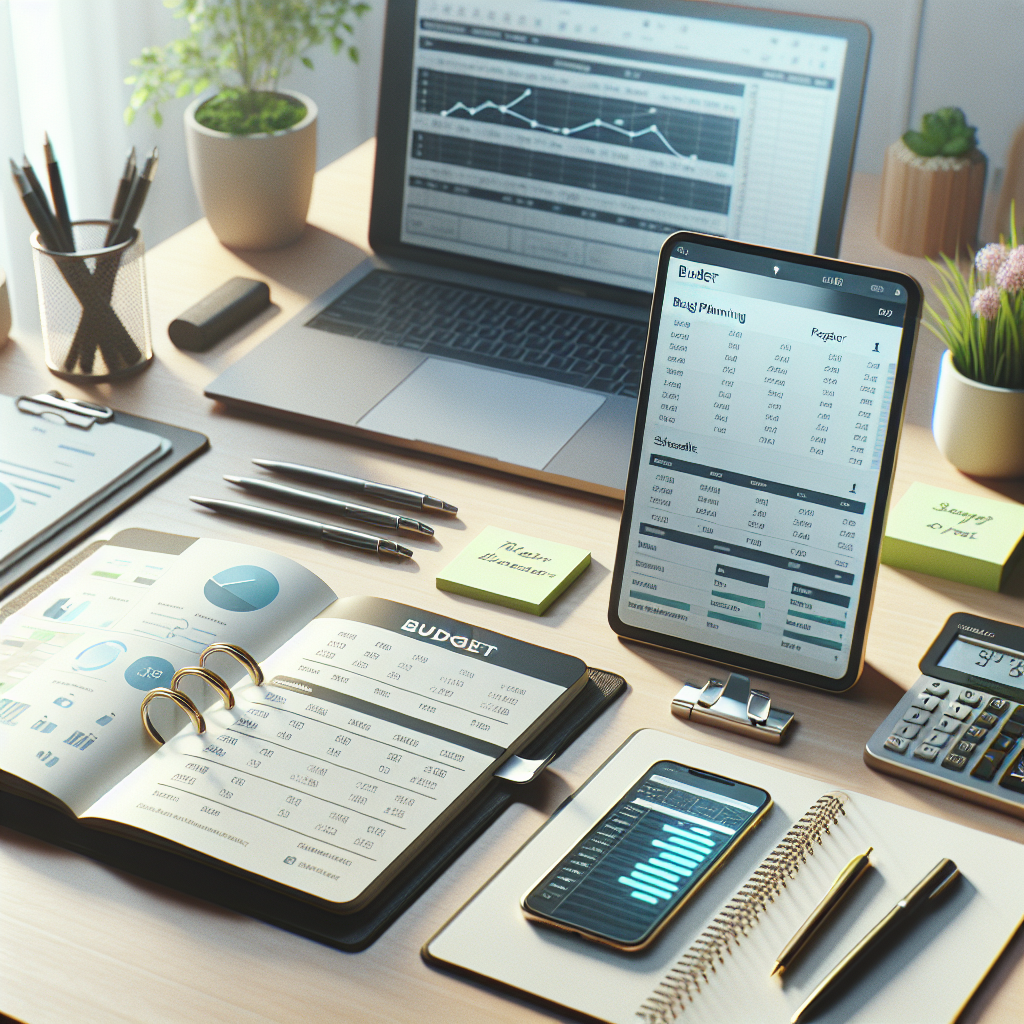
Different types of budget planners including a paper planner, digital spreadsheet on a laptop, and a smartphone app on a neat desk.

Using budget planners can offer a multitude of benefits, transforming the way individuals and small businesses manage their finances. Here are some of the key advantages:

  • Financial Clarity: One of the most significant benefits is gaining a clear understanding of your financial situation. By tracking income and expenses, users can identify spending patterns and make informed decisions about their money.
  • Expense Control: Budget planners help in setting spending limits for various expense categories, preventing overspending and promoting disciplined financial habits. This control is essential for avoiding debt and ensuring that essential needs are met.
  • Goal Setting and Achievement: With a budget planner, users can set specific financial goals, such as saving for a vacation, building an emergency fund, or paying off debt. The planner provides a roadmap to achieve these goals by allocating funds appropriately and tracking progress.
  • Stress Reduction: Financial uncertainty can be a major source of stress. Budget planners reduce this anxiety by offering a structured approach to money management, ensuring that users are prepared for both expected and unexpected expenses.
  • Improved Savings: By highlighting unnecessary expenditures, budget planners help users identify areas where they can cut back and save more. This increased awareness fosters better saving habits and contributes to long-term financial security.
  • Enhanced Financial Literacy: Regular use of a budget planner improves financial literacy by educating users about their spending habits, financial priorities, and the importance of budgeting. This knowledge is invaluable for making smarter financial decisions.

Incorporating a budget planner into your financial routine can lead to substantial improvements in how you manage your money, ultimately paving the way for a more secure and prosperous future. The benefits extend beyond mere numbers, offering peace of mind and a greater sense of control over your financial destiny.


Different Types Of Budget Planners
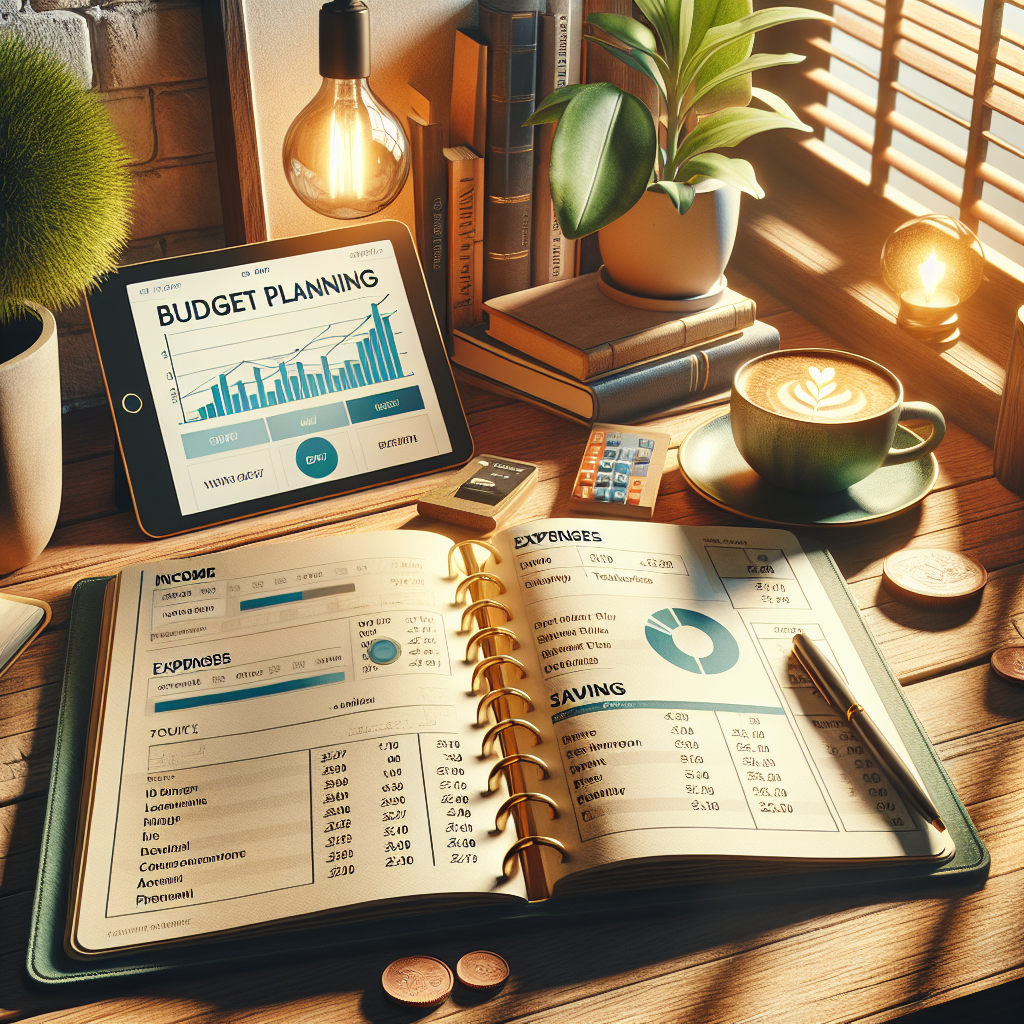
A realistic depiction of a budget planner on a wooden desk with both physical and digital forms shown.

Budget planners come in various forms, each designed to cater to different needs and preferences. Understanding the different types can help you choose the one that best fits your lifestyle and financial goals. Here are some of the most popular types of budget planners:

  • Traditional Pen and Paper Planners: These are manual budget planners where users record their income, expenses, and savings goals in a physical notebook or planner. They offer a tactile experience and are ideal for those who prefer writing things down.
  • Spreadsheet-Based Planners: Utilizing software like Microsoft Excel or Google Sheets, these planners allow for more complex calculations and customizations. They are great for users who are comfortable with spreadsheets and want a detailed, flexible budgeting tool.
  • Mobile Apps: Budgeting apps such as Mint, YNAB (You Need A Budget), and Vala provide a digital and often automated way to manage finances. These apps offer features like transaction tracking, goal setting, and personalized financial insights, making them convenient and user-friendly.
  • Envelope System: Based on the cash envelope method, this planner involves allocating cash into different envelopes for various spending categories. It’s a practical way to limit spending and ensure that you don’t exceed your budget in any category.
  • Online Budgeting Tools: Websites and online platforms offer comprehensive budgeting services with features like syncing bank accounts, generating financial reports, and providing real-time financial updates. They are ideal for those who want an all-in-one financial management solution.
  • Printable Budget Sheets: These are downloadable and printable sheets that users can fill out manually. They combine the flexibility of digital tools with the simplicity of pen and paper, making them versatile for various users.

Choosing the right type of budget planner depends on your individual needs, financial goals, and personal preferences. Whether you prefer the simplicity of a traditional planner or the advanced features of a digital app, there is a budget planner out there to help you take control of your finances effectively.


Common Challenges And Solutions

A realistic depiction of a budget planning scene with various tools for managing finances on a wooden desk.

While budget planners can be highly effective tools for managing finances, users often encounter some common challenges. Here are a few of those challenges along with practical solutions:

  • Inconsistent Tracking: One of the main hurdles is maintaining consistency in tracking expenses. Many users start with enthusiasm but gradually fall off the wagon. To overcome this, set a specific time each week to update your budget and use reminders or alerts to keep you on track.
  • Unexpected Expenses: Unplanned expenses can throw off even the best-laid budgets. To mitigate this, create an emergency fund specifically for unexpected costs. Allocating a small percentage of your income to this fund can provide a safety net.
  • Overcomplicated Systems: Some budget planners can be overly complicated, making them difficult to stick with. Simplify your budgeting process by focusing on key categories like necessities, savings, and discretionary spending. Choose a planner that matches your comfort level and gradually add complexity as you become more adept.
  • Lack of Motivation: Staying motivated can be tough, especially if your financial goals seem distant. Break down larger goals into smaller, manageable milestones. Celebrate these small wins to keep your motivation high and track your progress visually using charts or graphs.
  • Income Variability: For those with irregular income, budgeting can be particularly challenging. In such cases, base your budget on your lowest expected income and categorize any additional earnings as bonus income, to be allocated toward savings or debt repayment.
  • Family and Partner Differences: Budgeting as a family or couple can lead to disagreements. Open communication is key. Hold regular financial meetings to discuss and align on budget goals and ensure everyone is on the same page.

By understanding these common challenges and implementing the suggested solutions, you can make the most out of your budget planner and stay on track to achieve your financial goals. Remember, the key to successful budgeting is consistency and adaptability.


Tips For Choosing The Best Budget Planner
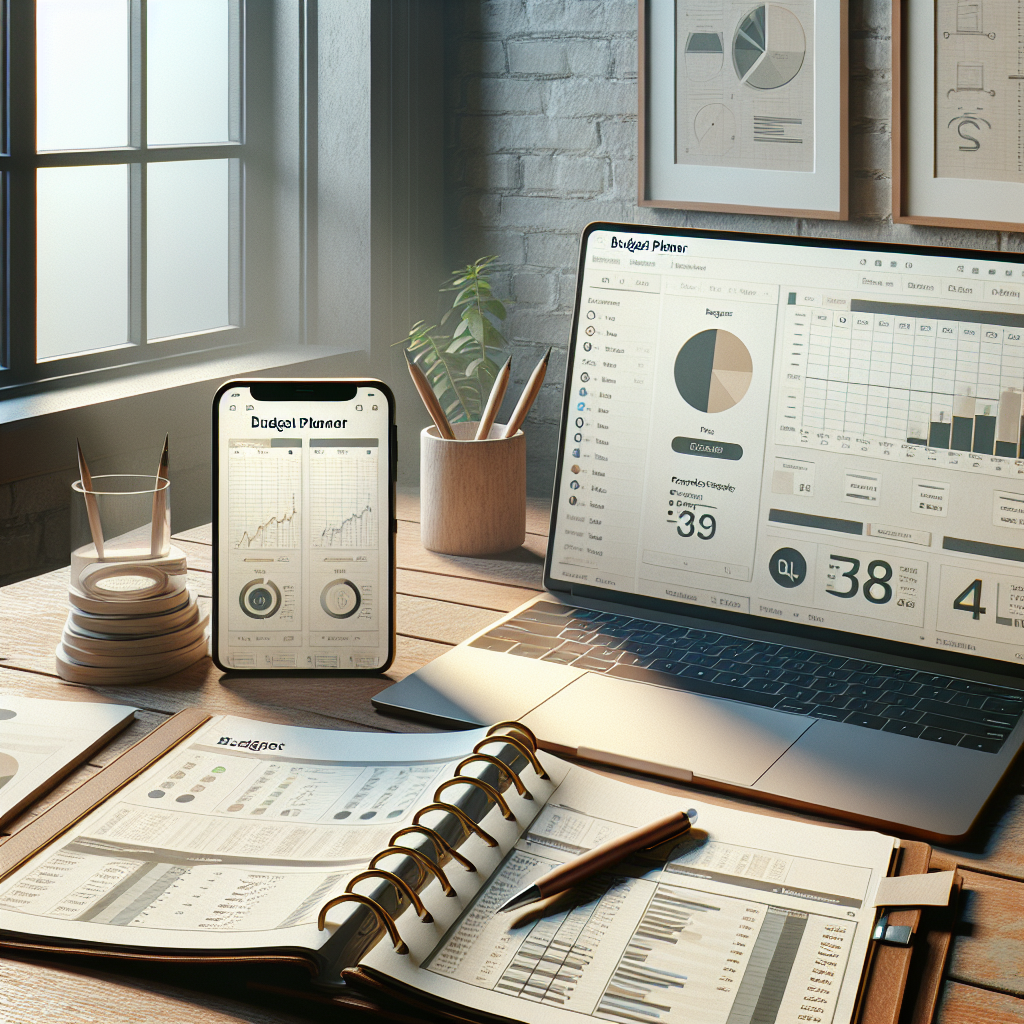
A realistic budget planner desk setup with traditional, digital, and mobile budgeting tools arranged neatly.

Choosing the right budget planner can make a significant difference in achieving your financial goals. Here are some tips to help you select the best budget planner for your needs:

  • Identify Your Financial Goals: Start by clearly defining what you want to achieve with your budget planner. Are you looking to save for a specific goal, pay off debt, or simply track your spending? Knowing your objectives will guide you in choosing a planner that fits your needs.
  • User-Friendly Interface: A budget planner should be easy to use and navigate. Look for planners with an intuitive interface that simplifies data entry and allows you to quickly access important information.
  • Customization Options: Every individual’s financial situation is unique. Select a budget planner that offers customization options so you can tailor it to your specific needs. This might include adjustable categories, personalized spending limits, and the ability to add notes or memos.
  • Integration with Financial Accounts: The best budget planners can connect directly to your bank accounts, credit cards, and other financial institutions. This feature can save you time and reduce manual entry errors by automatically importing transactions.
  • Reporting and Analytics: Detailed reports and analytics can provide valuable insights into your spending habits. Choose a planner that offers comprehensive reporting features, including charts, graphs, and spending summaries.
  • Security Features: Given the sensitive nature of financial information, ensure that the budget planner you choose has robust security measures in place. Look for planners that use encryption and other security protocols to protect your data.
  • Mobile Accessibility: In today’s fast-paced world, having access to your budget planner on the go is crucial. Opt for a planner that offers a mobile app or a responsive web interface, so you can manage your finances anytime, anywhere.
  • Customer Support: Reliable customer support can be a lifesaver when you encounter issues or have questions. Check if the planner offers various support channels, such as live chat, email, or phone support.

By considering these factors, you can choose a budget planner that not only meets your immediate needs but also supports your long-term financial goals. Ready to take control of your finances and experience effortless savings? Download Vala today and start managing your budget with ease!
 

Vala: Your Essential Budget Planner App for Financial Success

Achieve financial stability with Vala. Streamline your budget planning and save effectively for a secure future.

The budget planner app stands as a cornerstone for achieving financial stability and growth. Whether you’re an individual aiming to save for a rainy day or a small business looking to optimize resources, understanding the fundamentals of budgeting can make a significant difference.

At its core, budget planner app involves creating a roadmap for your financial future. This process helps you allocate your income towards expenses, savings, and investments in a manner that aligns with your financial goals. By doing so, you gain a clearer picture of your financial health and can make informed decisions that drive success.

One of the key benefits of a structured budget planning process is that it enables you to identify and eliminate unnecessary expenditures. This not only helps in saving money but also allows you to redirect those funds towards more meaningful and profitable ventures. Moreover, a well-planned budget acts as a financial discipline tool, ensuring that you live within your means and avoid debt traps.

In the following sections, we will delve deeper into the specific steps involved in the budget planning process, offering practical tips and strategies to help you create an effective budget. Ready to take control of your finances and experience effortless savings? Download Vala today and start managing your budget with ease!

 

Importance Of Budget Planning

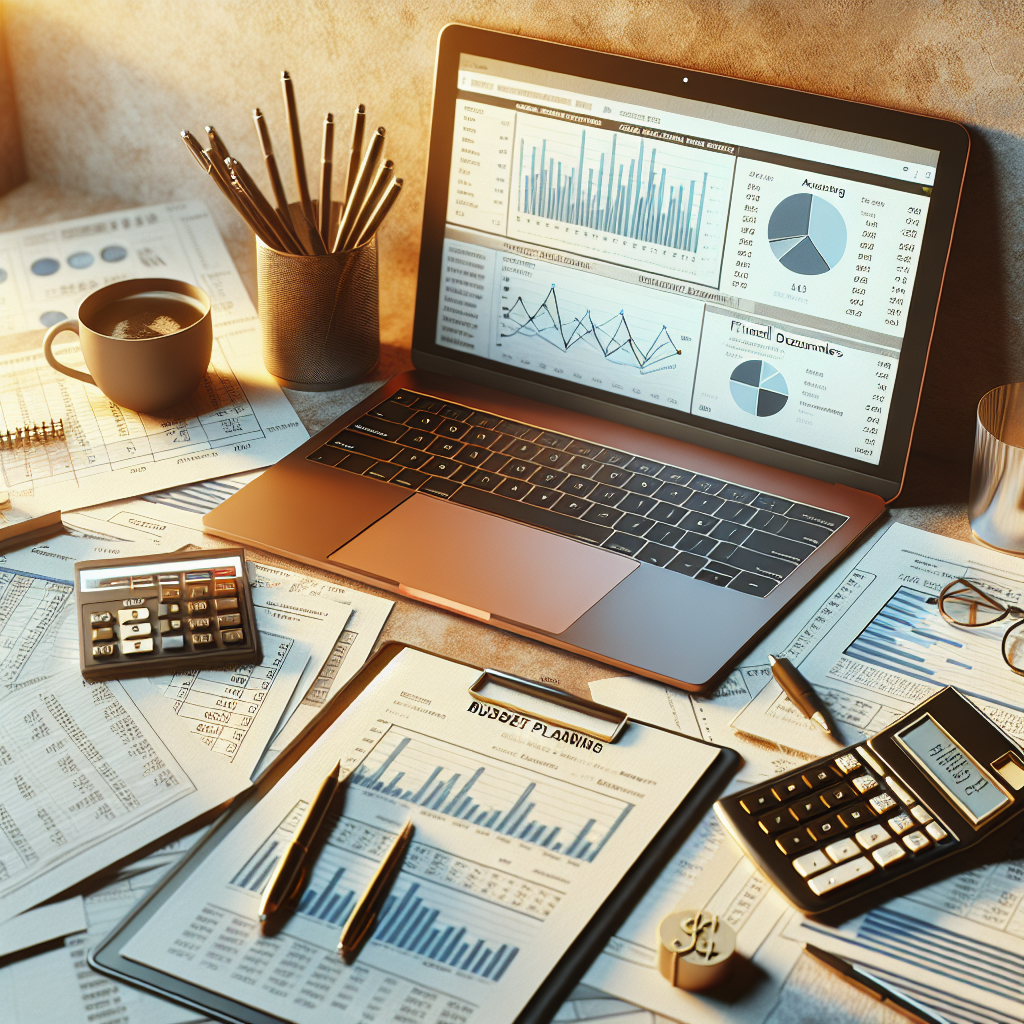
A realistic depiction of a desk setup for budget planning, featuring a laptop with financial charts, documents, a calculator, and a coffee cup.

The importance of budget planning cannot be overstated. A well-crafted budget serves as a financial blueprint, guiding you towards your short-term and long-term financial goals. Without a budget, it’s easy to lose track of spending, accumulate debt, and miss opportunities to save and invest.

One of the primary reasons budget planning is essential is because it provides financial clarity. By documenting your income and expenses, you gain a comprehensive understanding of where your money is going. This allows you to make informed decisions and prioritize your spending based on your needs and goals.

Another critical aspect of budget planning is its role in fostering financial discipline. Knowing that you have a set budget to adhere to helps you resist the temptation to make impulsive purchases. This not only keeps your spending in check but also ensures that you have sufficient funds for essential expenses and savings.

Additionally, budget planning is instrumental in preparing for unexpected expenses. Life is unpredictable, and having a budget that includes an emergency fund can provide a financial cushion during unforeseen circumstances. This preparedness can prevent financial stress and help you navigate through tough times without derailing your financial stability.

Lastly, budget planning can enhance your ability to achieve financial goals, whether it’s buying a home, starting a business, or planning for retirement. By setting clear objectives and allocating funds accordingly, you can steadily work towards achieving these milestones.

Understanding the importance of budget planning is the first step towards financial empowerment. In the next sections, we will explore the detailed steps involved in creating an effective budget, ensuring that you have all the tools you need for financial success.


Steps To Create A Budget

Creating a budget is a systematic process that involves several key steps. By following these steps, you can develop a realistic and effective budget that aligns with your financial goals.

1. Assess Your Income: The first step in budget creation is to determine your total income. This includes your salary, bonuses, freelance work, and any other sources of revenue. Having an accurate picture of your income is crucial for making informed financial decisions.

2. Track Your Expenses: Next, document all your expenses over a month or two to understand your spending patterns. Categorize your expenses into fixed costs (e.g., rent, utilities) and variable costs (e.g., groceries, entertainment). This tracking helps identify areas where you can cut back or adjust spending.

3. Set Financial Goals: Define both short-term and long-term financial goals. Short-term goals might include paying off credit card debt or saving for a vacation, while long-term goals could involve retirement planning or purchasing a home. Clear goals provide direction and motivation for your budgeting efforts.

4. Create a Plan: With your income, expenses, and goals in mind, develop a budget plan. Allocate specific amounts for each expense category and ensure that your total expenses do not exceed your income. It’s essential to include savings as a fixed part of your budget.

5. Implement and Monitor: Put your budget into action and track your progress regularly. Use budgeting tools or apps to simplify this process and ensure you stay on track. Regular monitoring allows you to make adjustments as needed and stay aligned with your financial goals.

6. Review and Adjust: Periodically review your budget to reflect changes in your financial situation, such as a salary increase or a new expense. Adjusting your budget ensures it remains relevant and effective in helping you achieve your goals.

By following these steps, you can create a budget that not only manages your finances effectively but also empowers you to achieve your financial aspirations. In the upcoming sections, we will delve into strategies for sticking to your budget and overcoming common budgeting challenges.


Analyzing And Adjusting Your Budget

A realistic and organized workspace desk with a notebook, calculator, and a pen holder placed on a wooden surface.

Once you have created your budget, the next critical step is to analyze and adjust it regularly. This process ensures that your budget remains effective and aligned with your evolving financial goals and circumstances.

1. Review Your Spending: Begin by examining your actual spending against your budgeted amounts. This review helps you identify discrepancies and understand where you may be overspending. Use tools such as expense tracking apps or spreadsheets to simplify this process.

2. Identify Trends: Look for patterns in your spending habits. Are there specific categories where you consistently overspend, such as dining out or entertainment? Recognizing these trends allows you to make informed decisions about where to cut back or reallocate funds.

3. Evaluate Financial Goals: Assess your progress toward your financial goals. Are you saving as much as you planned? Are you on track to pay off debt by your target date? Evaluating your goals helps you stay focused and motivated.

4. Adjust Expense Categories: If you find that certain categories are consistently over or under budget, adjust your allocations accordingly. For example, if you spend less on groceries but more on transportation, shift some funds from one category to the other. This flexibility ensures your budget reflects your actual spending habits.

5. Account for Changes: Life changes such as a new job, a raise, or unexpected expenses can impact your budget. Regularly update your budget to account for these changes. This keeps your budget realistic and prevents financial surprises.

6. Seek Continuous Improvement: Budgeting is an ongoing process. Continuously look for ways to improve your budgeting strategy. Experiment with different methods, such as zero-based budgeting or the 50/30/20 rule, to find what works best for you.

By analyzing and adjusting your budget, you can ensure it remains a powerful tool for managing your finances and achieving your goals. In the following sections, we will explore practical tips for sticking to your budget and overcoming common budgeting challenges.


 Tools And Resources For Budget Planning When it comes to budget planning, having the right tools and resources is essential. These resources can help you effectively manage your finances and make informed decisions. From budgeting apps and software to online calculators and financial planning guides, there are various options available to assist you in creating and maintaining a successful budget. By utilizing these tools, you can gain better control over your finances and work towards achieving your financial goals. When it comes to budget planning, having the right tools and resources is crucial. The availability of budgeting apps, software, online calculators, and financial planning guides can greatly assist in effectively managing your finances and making informed decisions. By utilizing these resources, you can gain better control over your finances and work towards achieving your financial goals. Tools And Resources For Budget Planning

An organized desk with a laptop showing financial charts, a notepad, a calculator, and coins, representing the budget planning process.

Successful budget planning often requires the right tools and resources to streamline the process and enhance accuracy. Leveraging these tools can make budgeting more efficient and less daunting.

1. Budgeting Apps: Numerous apps are designed to help you create, track, and manage your budget. Apps like Mint, YNAB (You Need A Budget), and Vala offer user-friendly interfaces and robust features, such as automatic expense categorization and real-time financial insights.

2. Spreadsheets: For those who prefer a more customizable approach, spreadsheets are an excellent option. Programs like Microsoft Excel or Google Sheets allow you to build a budget from scratch, tailoring it to your specific needs. You can download pre-made budget templates or create your own to track income, expenses, and savings.

3. Financial Planning Software: Comprehensive financial planning software, such as Quicken or Personal Capital, offers advanced features beyond basic budgeting. These tools provide investment tracking, retirement planning, and net worth calculations, giving you a holistic view of your financial health.

4. Online Calculators: Various online calculators can assist with specific budgeting tasks. For example, debt payoff calculators help you create a plan to eliminate debt, while savings goal calculators show how much you need to save each month to reach a financial milestone.

5. Educational Resources: Numerous websites, blogs, and online courses offer valuable information on budgeting and personal finance. Websites like Investopedia, The Balance, and NerdWallet provide articles, guides, and tutorials to help you understand and implement effective budgeting strategies.

6. Financial Advisors: Consulting with a financial advisor can provide personalized guidance tailored to your unique financial situation. Advisors can help you create a realistic budget, set financial goals, and develop a long-term financial plan.

Incorporating these tools and resources into your budgeting process can significantly enhance your ability to manage your finances effectively. In the next section, we will discuss practical tips for sticking to your budget and overcoming common budgeting challenges.


Common Budget Planning Mistakes To Avoid

A neat workspace with financial documents, calculator, laptop showing charts, and a cup of coffee, representing budget planning.

Creating a budget is a crucial step toward financial stability, but it’s easy to make mistakes that can derail your efforts. Here are some common budget planning mistakes to avoid:

1. Overestimating Income: Being overly optimistic about your income can lead to a budget that doesn’t align with reality. Always use your net income, not gross, and consider any fluctuations or irregularities in your earnings.

2. Underestimating Expenses: Failing to account for all your expenses can create gaps in your budget. Be thorough in tracking every expenditure, including irregular or annual expenses like insurance premiums or holiday shopping.

3. Not Setting Realistic Goals: Setting unattainable financial goals can lead to frustration and abandonment of the budget. Make sure your savings and spending targets are achievable and align with your financial situation.

4. Ignoring Emergencies: Life is unpredictable, and emergencies can happen at any time. Not having an emergency fund can force you to rely on credit or loans, which can derail your budget. Aim to save at least three to six months’ worth of living expenses.

5. Failing to Adjust the Budget: A budget is not set in stone. Failing to adjust your budget as your financial situation changes can make it irrelevant. Regularly review and update your budget to reflect changes in income, expenses, and financial goals.

6. Neglecting to Track Spending: Creating a budget is only half the battle; tracking your spending is equally important. Use budgeting apps or spreadsheets to monitor your expenses and ensure you stay within your limits.

By being aware of these common mistakes, you can take proactive steps to avoid them and create a more effective budget. Ready to take control of your finances and experience effortless savings? Download Vala today and start managing your budget with ease!

 

The Best Personal Budgeting Expense Tracking Apps

Discover the best personal budgeting expense tracking apps to streamline your finances and take control of your spending today.

Managing personal finances can be a daunting task. Fortunately, technology has come to the rescue with a myriad of Best Personal Budgeting Expense Tracking Apps  designed to simplify the process. These apps have revolutionized the way individuals and small businesses handle their budgeting, expense tracking, and savings. By leveraging innovative features and user-friendly interfaces, personal finance apps make it easy to stay on top of your financial game.

From tracking daily expenses to planning long-term financial goals, personal finance apps offer a range of functionalities that cater to different needs. Whether you are looking to save for a big purchase, reduce debt, or simply monitor your spending habits, there’s an app out there for you. The best rated personal finance apps provide real-time insights, personalized recommendations, and seamless integration with your bank accounts, helping you make informed decisions with confidence.

Ready to take control of your finances and experience effortless savings? Download Vala today and start managing your budget with ease!

Benefits Of Using “The Best Personal Budgeting Expense Tracking Apps”

A smartphone displaying a personal finance app interface in a cozy home setting.

Utilizing personal finance apps offers a plethora of benefits that can transform the way you handle money. One of the most significant advantages is the real-time tracking of your expenses. Instead of waiting for monthly statements, you can see where your money is going instantly, which helps in making timely adjustments to your spending habits.

Another major benefit is the ability to set and monitor financial goals. Whether you want to save for a vacation, pay off debt, or build an emergency fund, personal finance apps allow you to create specific goals and track your progress. This visual representation of your goals can be highly motivating and keeps you accountable.

The apps also provide personalized insights and recommendations based on your spending patterns. By analyzing your financial behavior, these tools can offer tips on how to save more effectively, reduce unnecessary expenses, and optimize your budget. Additionally, many apps have built-in features for bill reminders, which help you avoid late fees and maintain a good credit score.

Security is another crucial benefit. Reputable personal finance apps use advanced encryption and security measures to protect your financial data. This means you can manage your money with peace of mind, knowing that your information is secure.

Lastly, the convenience of having all your financial information in one place cannot be overstated. With just a few taps, you can access your bank accounts, credit cards, investments, and loans, making it easier to get a comprehensive view of your financial health.

Top Rated Personal Finance Apps For Budgeting

When it comes to managing your budget, having the right tools can make all the difference. Here are some of the top rated personal finance apps for budgeting that have earned high praise from users and experts alike:

  • Mint: Known for its comprehensive features, Mint allows you to link all your bank accounts and credit cards for a complete financial overview. It offers personalized budgeting tips, bill reminders, and even free credit score monitoring, making it a one-stop solution for financial management.
  • YNAB (You Need A Budget): This app takes a proactive approach to budgeting by employing the envelope system. YNAB encourages users to allocate every dollar to a specific category, helping to ensure that you live within your means and prioritize savings. The app also offers educational resources to help users improve their financial literacy.
  • Goodbudget: Another app that uses the envelope budgeting method, Goodbudget is ideal for those who prefer a more traditional approach. It allows you to create virtual envelopes for different spending categories and share budgets with family members, making it great for collaborative financial planning.
  • PocketGuard: Simplifying the budgeting process, PocketGuard helps you track your spending and shows how much disposable income you have after covering bills and necessities. Its “In My Pocket” feature provides a clear snapshot of your available funds, helping you avoid overspending.
  • EveryDollar: Created by financial guru Dave Ramsey, EveryDollar is designed for zero-based budgeting. Users can easily plan their monthly expenses down to the last dollar, ensuring that every dollar is accounted for. The app also syncs with your bank for real-time expense tracking.

These apps not only help you stay organized but also provide valuable insights and tools to improve your financial health. Choosing the right app can set you on the path to achieving your budgeting and savings goals with ease.

Best Apps For Expense Tracking

A young professional woman using a personal finance app on her smartphone at a modern desk.

Keeping track of your expenses is crucial for maintaining financial health. Here are some of the best apps for expense tracking that can help you monitor your spending effortlessly:

  • Expensify: Favored by both individuals and businesses, Expensify makes expense tracking seamless with its receipt scanning feature. Simply take a photo of your receipt, and the app will automatically extract the details. It also offers mileage tracking and integrates with various accounting software, making it a versatile tool for expense management.
  • Spendee: This app stands out for its visually appealing and intuitive interface. Spendee allows you to categorize your expenses, create shared wallets for household budgeting, and even track cash expenditures. The app also supports multiple currencies, making it ideal for international use.
  • Wally: Known for its user-friendly design, Wally provides a comprehensive overview of your income and expenses. The app supports receipt scanning and manual entry, allowing you to track every penny. Wally also offers detailed insights and analytics to help you understand your spending patterns better.
  • Zoho Expense: Perfect for business users, Zoho Expense simplifies expense reporting with features like automatic receipt scanning, multi-currency support, and integration with various financial tools. The app also allows you to set spending limits and generate detailed expense reports, making it a robust solution for expense management.
  • Money Lover: This app offers a wide range of features, including budget planning, bill reminders, and expense tracking. Money Lover’s strength lies in its detailed category breakdowns and visual charts, which help you analyze your spending habits. The app also includes a built-in debt management tool, making it a comprehensive financial management solution.

These apps are designed to make expense tracking more straightforward and efficient, providing you with the tools you need to take control of your finances. Whether you are managing personal expenses or business expenditures, these apps can help you stay on top of your financial game.

Innovative Savings Management Features

A smartphone displaying a personal finance app interface on a minimalist office desk.

Saving money can be challenging, but with the advent of fintech solutions, it has become more accessible and engaging. Here are some innovative savings management features that are transforming the way we save:

  • Automated Savings: Many savings apps now offer automated savings features, where a predetermined amount is transferred from your checking account to your savings account at regular intervals. This ‘set it and forget it’ approach ensures that you consistently save without having to think about it.
  • Round-Up Transactions: This feature rounds up your purchases to the nearest dollar and transfers the difference into your savings account. For example, if you spend $2.75 on a coffee, the app will round it up to $3.00 and move $0.25 into your savings. Over time, these small amounts can add up significantly.
  • Goal-Based Savings: Many apps allow you to set specific savings goals, such as a vacation, emergency fund, or new gadget. You can track your progress towards each goal, making the savings process more motivating and visually rewarding. Some apps even provide personalized tips and reminders to help you stay on track.
  • Cashback Rewards: Some savings platforms partner with retailers to offer cashback rewards on your purchases. The cashback earned is directly deposited into your savings account, providing an effortless way to boost your savings every time you shop.
  • Micro-Investing: This feature allows you to invest small amounts of money into diversified portfolios, helping you grow your savings through investing. Apps like Acorns and Stash offer micro-investing options, making it easy for even novice investors to start building wealth.
  • Personalized Insights and Analytics: Advanced savings apps provide detailed insights and analytics on your spending and saving habits. By analyzing your financial behavior, these apps offer personalized recommendations on how to save more effectively. This data-driven approach empowers you to make informed financial decisions.

These innovative features are designed to make saving money easier, more intuitive, and even fun. By leveraging technology, you can take a proactive approach to managing your finances and achieving your savings goals more efficiently.


Choosing The Right Finance App For You

A person using a personal finance app on a smartphone in a modern home office.

With so many personal finance apps available, selecting the right one for your needs can be overwhelming. Here are some key factors to consider when choosing the best rated personal finance app that will help you achieve your financial goals:

  • User Interface and Experience: A user-friendly interface is crucial. Look for apps that are intuitive and easy to navigate. The last thing you want is to struggle with a complicated app when managing your finances.
  • Core Features: Identify what features are most important to you. Whether it’s budgeting, expense tracking, savings management, or investment options, make sure the app offers robust tools to meet your specific needs.
  • Security: Financial data security should be a top priority. Ensure the app uses encryption and other security measures to protect your information. Look for apps that are transparent about their security practices and have a good reputation for safeguarding user data.
  • Cost: While some of the best rated personal finance apps are free, others may require a subscription or offer premium features for a fee. Consider your budget and whether the cost of the app is justified by the value it provides.
  • Customer Support: Reliable customer support can make a big difference. Check if the app offers accessible customer service through various channels, such as email, chat, or phone support.
  • Reviews and Ratings: User reviews and ratings can provide valuable insights into the app’s performance and reliability. Look for apps with high ratings and positive feedback from other users.

Ultimately, the right finance app for you will depend on your personal preferences and financial goals. Take the time to explore different options and choose an app that aligns with your needs and lifestyle.

Ready to take control of your finances and experience effortless savings? Download Vala today and start managing your budget with ease!

Best Budgeting Apps: What Is It and Why You Need It

Explore top budgeting apps that simplify tracking finances and enhance money management for everyone.

Budget tracking is a fundamental aspect of personal and business finance management. It refers to the process of recording, monitoring, and analyzing your income and expenses to ensure that you stay within your financial means. By keeping a close eye on your financial transactions, you can make informed decisions that align with your short-term and long-term financial goals.

At its core, budget tracking involves creating a budget plan, which is essentially a roadmap for how you intend to allocate your money. This plan typically includes categories such as housing, utilities, groceries, transportation, entertainment, and savings. By tracking your spending in each category, you can identify areas where you may be overspending and adjust your habits accordingly.

One of the primary *benefits* of budget tracking is that it promotes *financial awareness*. When you know exactly where your money is going, you are more likely to make conscious spending choices and avoid unnecessary debt. Additionally, budget tracking can help you build an emergency fund, save for significant purchases, and invest for the future.

With the advent of modern technology, budget tracking has become more accessible and convenient than ever before. Financial technology platforms like *Vala* offer innovative tools and personalized solutions to help you manage your budget effortlessly. These platforms can automate the tracking process, provide real-time insights, and even suggest ways to optimize your spending.

Ready to take control of your finances and experience effortless savings? Download Vala today and start managing your budget with ease!
 

Understanding What Budget Tracking Is

Budget tracking is an essential practice that involves systematically monitoring your income and expenditures to ensure you are living within your means and working towards your financial goals. At its most basic level, budget tracking involves recording every financial transaction you make, categorizing these transactions, and then comparing them against a pre-determined budget.

The process starts with creating a budget, which is a financial plan that outlines your expected income and allocates it towards various expenses and savings. Common categories in a budget include housing, food, transportation, healthcare, entertainment, and savings. By tracking your spending in each category, you can see whether you are sticking to your budget or overspending in certain areas.

Effective budget tracking provides several *critical insights*. First, it helps you understand your spending habits, revealing patterns and areas where you might be able to cut back. Second, it keeps you accountable and encourages responsible financial behavior. Lastly, it enables you to make data-driven adjustments to your budget, ensuring that you are continually moving towards your financial objectives.

In today’s digital age, budget tracking has been revolutionized by financial technology. Tools and apps simplify the tracking process by automatically categorizing transactions, providing visual representations of your spending, and even offering personalized advice. These tools can be incredibly *beneficial* as they reduce the manual effort involved in budget tracking, making it easier to stay on top of your finances.


Key Benefits Of Budget Tracking

A realistic depiction of a desk organized with items used for budget tracking, including a laptop, notebooks, a calculator, coins, and bills.

Engaging in budget tracking offers numerous *significant benefits* that can transform your financial health and overall well-being. Here are some key advantages:

  • Financial Awareness: By tracking your budget, you gain a clear and detailed understanding of your income and expenses. This heightened awareness allows you to make more informed financial decisions and avoid unnecessary spending.
  • Expense Management: Budget tracking helps you identify areas where you might be overspending. With this insight, you can adjust your spending habits and allocate your resources more effectively, ensuring that your money is spent on what truly matters.
  • Goal Achievement: When you have a budget in place and actively track it, you are more likely to achieve your financial goals. Whether it’s saving for a vacation, buying a home, or building an emergency fund, budget tracking keeps you focused and motivated.
  • Debt Reduction: For those struggling with debt, budget tracking is a powerful tool. By clearly seeing where your money goes, you can allocate more funds towards paying off debt, ultimately reducing your financial burdens and interest payments.
  • Stress Reduction: Financial stress is a common issue for many individuals and families. Budget tracking can alleviate this stress by providing a clear plan and reducing the uncertainty around your finances. Knowing exactly where your money is going can give you peace of mind.
  • Improved Savings: Regularly tracking your budget encourages you to set aside money for savings. Over time, this practice can significantly boost your savings and help you prepare for future financial needs.

Incorporating budget tracking into your financial routine can yield these and many other benefits, making it an indispensable practice for anyone looking to improve their financial health.


How To Implement Budget Tracking

A desk with a laptop showing a budgeting app, a notebook with financial notes, a smartphone, calculator, and coffee.

Implementing budget tracking may seem daunting at first, but with a structured approach, it becomes a manageable and rewarding task. Here are the steps to get started:

  1. Set Clear Financial Goals: Begin by identifying what you want to achieve with your budget. Whether it’s saving for a major purchase, paying off debt, or building an emergency fund, having clear goals will guide your budgeting efforts.
  2. Track Your Income: Document all sources of income, including your salary, freelance work, and any other earnings. This gives you a comprehensive view of your financial inflows.
  3. List Your Expenses: Categorize your expenses into fixed (rent, utilities, loan payments) and variable (groceries, entertainment, dining out). This helps you see where your money is going and identify potential areas for savings.
  4. Create a Budget Plan: Based on your income and expenses, create a budget plan that allocates funds to each category. Be realistic about your spending habits and ensure that your plan aligns with your financial goals.
  5. Utilize Budget Tracking Tools: Take advantage of budget tracking apps and platforms like *Vala* to simplify the process. These tools can automatically categorize expenses, provide insights, and help you stay on track.
  6. Monitor and Adjust: Regularly review your budget to see if you are adhering to your plan. Make adjustments as needed to accommodate changes in income or unexpected expenses. Consistent monitoring ensures that you stay aligned with your goals.
  7. Stay Disciplined: Budget tracking requires discipline and commitment. Stick to your plan, avoid impulse purchases, and continually remind yourself of your financial goals.

By following these steps, you can effectively implement budget tracking and take control of your finances. Remember, the key is consistency and a willingness to adapt as your financial situation evolves.


Tools And Apps For Effective Budget Tracking

A realistic image of a person using a budget tracking app in a home office.

In the digital age, numerous tools and apps are available to streamline the process of budget tracking, making it easier and more efficient. Here are some of the most effective options you can use:

  • Vala: Our platform offers a seamless way to manage your savings and expenses. *Vala* provides personalized solutions, intuitive budgeting features, and real-time expense tracking to help you stay on top of your financial goals.
  • Mint: This popular app allows you to connect your bank accounts, credit cards, and bills to get a complete picture of your finances. Mint categorizes transactions, tracks your spending, and offers insights on how to save money.
  • YNAB (You Need a Budget): YNAB is designed to help users break the paycheck-to-paycheck cycle and save more money. It offers a proactive approach to budgeting, encouraging users to allocate every dollar to a specific purpose.
  • Personal Capital: Ideal for those looking to manage both their budget and investments, Personal Capital offers tools to track spending, plan for retirement, and monitor investment performance.
  • Goodbudget: Based on the envelope budgeting method, Goodbudget helps users allocate funds to different spending categories. It’s great for couples and families who want to manage their finances together.
  • Wally: This app provides a simple and intuitive interface for tracking expenses and setting financial goals. Wally supports multiple currencies, making it ideal for travelers and expatriates.
  • PocketGuard: PocketGuard connects to your bank accounts and provides a clear overview of your spending. It helps you identify how much disposable income you have after covering bills and necessities.

These tools and apps not only make budget tracking more manageable but also offer valuable insights and features that can help you achieve your financial objectives. By leveraging technology, you can simplify your budgeting process, save time, and stay motivated on your journey to financial health.


Common Challenges And Solutions In Budget Tracking

A tidy desktop with a laptop displaying a budget tracking spreadsheet and various office items.

Despite the benefits of budget tracking, many individuals encounter common challenges that can hinder their financial progress. Here are some of these challenges along with practical solutions:

  • Irregular Income: For those with fluctuating incomes, such as freelancers or commission-based workers, predicting monthly earnings can be difficult. Solution: Create a baseline budget based on your lowest expected income and adjust for higher earnings as they come.
  • Unplanned Expenses: Unexpected costs, such as medical bills or car repairs, can disrupt your budget. Solution: Maintain an emergency fund to cover unforeseen expenses, ensuring your budget remains intact.
  • Overspending: It’s easy to overspend, especially with credit cards. Solution: Use budgeting apps like *Vala* to set spending limits and receive alerts when you approach them, helping you stay disciplined.
  • Lack of Time: Tracking every expense can be time-consuming and tedious. Solution: Automate the process with tools that sync with your bank accounts and categorize transactions for you.
  • Inconsistent Tracking: Inconsistency can lead to inaccurate financial data. Solution: Set a regular schedule for reviewing your budget, whether it’s weekly or monthly, to ensure you stay on track.
  • Unrealistic Goals: Setting overly ambitious financial goals can lead to frustration. Solution: Establish achievable milestones and gradually increase your savings targets as you adapt to your budget.

By addressing these challenges with practical solutions, you can enhance the effectiveness of your budget tracking efforts. Remember, consistency and patience are key to mastering your finances and achieving long-term stability.

Ready to take control of your finances and experience effortless savings? Download Vala today and start managing your budget with ease!