Master Bill Reminders: Never Miss a Payment Again

Managing finances can be overwhelming, especially when it comes to keeping track of various bills and their due dates. Missing a bill payment can lead to late fees, increased interest rates, and even a negative impact on your credit score. This is where bill reminders come into play. A well-structured bill reminder system helps you stay organized, ensuring that you never miss a payment again.

Bill reminders can come in various forms, such as email alerts, SMS notifications, or mobile app notifications. These reminders not only keep you informed about upcoming due dates but also provide a sense of control over your financial obligations. By setting up effective bill reminders, you can avoid the stress associated with late payments and maintain a healthy financial status.

Whether you prefer using digital tools or traditional methods like calendars and planners, finding the right system that works for you is crucial. We’ll explore different tips and strategies to help you set up an efficient bill reminder system that fits your lifestyle and financial goals.

Ready to take control of your finances and experience effortless savings? Download Vala today and start managing your budget with ease!


Why Bill Reminders Are Important

In today’s fast-paced world, it can be easy to lose track of payment deadlines, especially when juggling multiple bills each month. This is why bill reminders are extremely important. They not only help you stay organized but also ensure that you meet your financial obligations on time. Let’s dive into the key reasons why bill reminders are essential.

1. Avoid Late Fees and Penalties: One of the most immediate benefits of setting up bill reminders is the avoidance of late fees and penalties. These additional charges can accumulate quickly, putting unnecessary strain on your budget.

2. Protect Your Credit Score: Timely payments are critical to maintaining a good credit score. Missing payments can negatively impact your credit rating, making it more difficult and expensive to obtain loans or credit in the future.

3. Reduce Stress and Anxiety: Knowing that your bills are paid on time can significantly reduce financial stress and anxiety. Bill reminders provide peace of mind, allowing you to focus on other important aspects of your life.

4. Improve Financial Planning: Consistent bill payments help you track your spending more effectively. By keeping an eye on your payment schedule, you can better plan your finances and make informed decisions about budgeting and saving.

Incorporating bill reminders into your financial routine can transform how you manage your money, offering both practical benefits and a sense of control over your finances.


Various Types Of Bill Reminders

A realistic scene featuring bill reminder items like calendars, sticky notes, and a smartphone with an app on a wooden desk.

To ensure you never miss a bill payment, it’s essential to understand the various types of bill reminders available. Each type offers unique features and benefits, allowing you to choose the one that best fits your lifestyle and preferences.

Email Reminders: Many service providers offer the option to send bill reminders via email. These reminders typically include the amount due, the due date, and a link to make a payment. Email reminders are convenient as they can be easily archived and accessed whenever needed.

SMS/Text Alerts: For those who prefer instant notifications, SMS or text alerts are an excellent option. These reminders are sent directly to your mobile phone, ensuring you receive them in real-time. This method is particularly useful for urgent reminders or last-minute payments.

Mobile App Notifications: With the rise of smartphones, many financial apps now offer in-app notifications for bill payments. Apps like Vala provide customizable alerts that can be set to notify you days or even weeks before a bill is due. This allows for greater flexibility and control over your payment schedule.

Calendar Alerts: Integrating bill reminders into your digital calendar is another effective strategy. Programs like Google Calendar or Microsoft Outlook allow you to set recurring events for your bills, ensuring you receive timely alerts. This method is ideal for those who already use digital calendars for scheduling other activities.

Physical Reminders: Although less common in the digital age, physical reminders like sticky notes or desk calendars can still be effective. Placing these reminders in visible locations can help keep bill payments top of mind.

By leveraging these various types of bill reminders, you can find the best method to stay on top of your financial obligations and avoid missing any important payments.


Setting Up Effective Bill Reminders

Realistic depiction of a desk with bill reminders, a laptop, coffee mug, and calendar.

Setting up effective bill reminders is crucial to maintaining financial discipline and avoiding late fees. Here’s a step-by-step guide to help you create a reliable system:

1. Consolidate Your Bills: Start by making a comprehensive list of all your bills, including due dates, amounts, and payment methods. This will give you a clear overview and help you identify which reminders are necessary.

2. Choose Your Reminder Type: As discussed earlier, there are various types of bill reminders—email, SMS, mobile app notifications, calendar alerts, and physical reminders. Choose the type that best suits your lifestyle and preferences.

3. Set Up Reminders in Advance: It’s wise to set reminders a few days before the actual due date. This buffer period ensures that you have enough time to make the payment without rushing. For instance, if your bill is due on the 15th, set the reminder for the 10th.

4. Utilize Multiple Reminders: Using more than one type of reminder can provide an extra layer of security. For example, you might set a mobile app notification for a week before the due date and an SMS alert a day before. This way, you have multiple touchpoints ensuring you don’t miss the payment.

5. Automate Where Possible: Many financial institutions and service providers offer automatic payment options. Setting up auto-pay eliminates the need for manual reminders altogether. Ensure that you have sufficient funds in your account to cover these automated payments.

6. Regularly Review and Adjust: Periodically review your reminder system to ensure it remains effective. Life changes, such as new bills or changes in due dates, may necessitate adjustments to your reminder setup.

By following these steps, you can develop a robust reminder system that keeps your finances on track and helps you avoid the stress and penalties associated with missed payments.


Integrating Bill Reminders With Budgeting Tools

Person sitting at a desk with a laptop, surrounded by reminders and bills in a home office setting.

Integrating bill reminders with budgeting tools can significantly enhance your financial management strategy. By combining these two functionalities, you gain a comprehensive view of your financial obligations and spending patterns, making it easier to stay on top of your finances.

1. Synchronize Your Accounts: Many budgeting tools allow you to link your bank accounts, credit cards, and other financial accounts. This synchronization ensures that all your transactions are automatically recorded, and you can set up bill reminders based on real-time data from your accounts.

2. Set Up Automated Alerts: Budgeting tools often come with the feature to set up automated alerts for upcoming bills. These alerts can be customized to notify you via email, SMS, or in-app notifications, ensuring you never miss a payment.

3. Categorize Your Expenses: Effective budgeting tools allow you to categorize your expenses, including bills. By categorizing your bills, you can easily track how much you’re spending on utilities, subscriptions, loans, and other recurring payments. This helps you identify areas where you can potentially save money.

4. Monitor Cash Flow: Integrating bill reminders with budgeting tools enables you to monitor your cash flow more effectively. You can see when your bills are due in relation to your income, helping you manage your finances more strategically and avoid overdrafts or insufficient funds.

5. Plan for Future Expenses: Budgeting tools often include features that allow you to forecast future expenses. By integrating bill reminders, you can plan for upcoming bills and set aside the necessary funds in advance. This proactive approach helps you stay financially prepared and avoid last-minute scrambles for money.

6. Review and Adjust Your Budget: Regularly reviewing your budget and adjusting it based on your bill reminders ensures that your financial plan remains relevant and effective. Life changes, such as new bills or changes in income, can impact your budget, and integrating these reminders helps you stay adaptable.

By integrating bill reminders with budgeting tools, you create a holistic financial management system that not only keeps you informed about upcoming payments but also helps you make informed financial decisions. This integration empowers you to take control of your finances and achieve your financial goals more efficiently.


Best Practices For Managing Bill Payments

A realistic depiction of a desk setup for bill reminders with papers, a laptop showing a calendar, and a coffee cup.

Effective bill management is crucial for maintaining a healthy financial life. Adopting best practices for managing bill payments can help you avoid late fees, improve your credit score, and reduce financial stress.

1. Create a Bill Payment Calendar: A dedicated calendar for bill payments helps you keep track of due dates. Whether it’s a physical calendar or a digital one, marking the dates when bills are due ensures you stay on top of your obligations.

2. Set Up Automatic Payments: Many service providers offer the option to set up automatic payments. This ensures that your bills are paid on time every month without manual intervention. Just make sure your account has sufficient funds to cover these payments.

3. Use Bill Reminder Apps: Utilizing bill reminder apps like Vala can streamline your bill management process. These apps send you notifications before your bills are due, helping you avoid missed payments and late fees.

4. Consolidate Payment Dates: If possible, try to consolidate your bill payment dates. Having fewer dates to remember makes it easier to manage your payments. Contact your service providers to see if they can adjust your billing cycle to match your preferred dates.

5. Keep a Buffer in Your Account: Maintaining a buffer amount in your bank account provides a safety net for unexpected expenses or fluctuations in your balance. This can prevent overdrafts and ensure that automatic payments go through smoothly.

6. Regularly Review Your Bills: Take the time to review your bills for any discrepancies or errors. Regular reviews help you catch mistakes early and address them before they become bigger issues.

7. Prioritize High-Interest Debts: If you have multiple bills, prioritize paying off high-interest debts first. This strategy helps you save on interest in the long run and reduces your overall financial burden.

8. Keep Digital Records: Maintaining digital records of your bills and payments can be extremely useful. Store copies of your bills and payment confirmations in a secure digital format for easy access and reference.

By following these best practices for managing bill payments, you can take control of your financial obligations and ensure timely payments. Ready to take control of your finances and experience effortless savings? Download Vala today and start managing your budget with ease!

Why You Need a Savings App for Financial Success!

In the digital era, managing finances has evolved significantly, thanks to the advent of money saver app. These innovative tools are designed to help individuals and small businesses streamline their financial management processes. A savings app can automate budgeting, track expenses, and provide personalized financial insights, making it easier for users to achieve their financial goals.

One of the primary benefits of using a savings app is the convenience it offers. With everything accessible from your smartphone, you can manage your finances on the go, without the need for complex spreadsheets or manual calculations. This level of accessibility ensures that you can stay on top of your financial health no matter where you are.

Furthermore, savings apps are equipped with advanced algorithms that analyze your spending habits and offer tailored advice. This personalized approach helps users identify areas where they can cut costs and save more efficiently. By providing real-time updates and notifications, these apps keep you informed about your financial status, enabling you to make better decisions.

Another significant advantage is the transparency and security that savings apps provide. Most reputable apps use robust encryption methods to protect your data, ensuring that your financial information remains safe and secure. This level of trustworthiness is paramount in building confidence among users.

Ready to take control of your finances and experience effortless savings? Download Vala today and start managing your budget with ease!


Benefits Of Using A Savings App

A person using a savings app on their smartphone in a realistic setting.

Using a savings app offers a multitude of benefits that can significantly enhance your financial well-being. One of the most compelling advantages is the ability to automate your savings. By setting up automatic transfers to your savings account, you can ensure that you are consistently putting money aside without having to think about it. This automation helps to build a disciplined savings habit, which is crucial for long-term financial success.

Another major benefit is the comprehensive expense tracking that savings apps provide. These apps categorize your spending, giving you a clear picture of where your money is going. With detailed reports and visual charts, you can easily identify spending patterns and make informed decisions to adjust your budget. This level of insight is invaluable for anyone looking to optimize their financial management.

Savings apps also offer personalized financial advice based on your spending and saving habits. By analyzing your financial data, these apps can provide tailored recommendations to help you achieve your financial goals more efficiently. Whether you’re saving for a vacation, a new car, or an emergency fund, a savings app can guide you on the best path to reach your target.

Additionally, many savings apps come with integrated goal-setting features. You can set specific financial goals and track your progress in real-time. This not only keeps you motivated but also provides a sense of accomplishment as you see your savings grow. The gamification elements in some apps, such as earning badges or rewards for meeting milestones, add an extra layer of engagement and fun to the process.

Lastly, the security and transparency offered by savings apps cannot be overstated. With advanced encryption and secure login methods, these apps ensure that your financial data is protected. Moreover, the transparency in transaction tracking helps you stay vigilant against any unauthorized activities, giving you peace of mind.


Features To Look For In A Savings App

A person using a savings app on their smartphone in a realistic home setting.

When choosing a savings app, it’s essential to look for features that will maximize your financial management experience. One of the most critical features is automation. The app should allow you to set up automatic transfers to your savings account, ensuring that you consistently save without manual intervention. Automation helps in building a disciplined saving habit, which is vital for financial growth.

Another important feature is expense tracking. A good savings app should categorize your expenses and provide detailed reports on your spending patterns. This feature helps you identify areas where you can cut back, making it easier to stick to your budget. Look for apps that offer visual aids like charts and graphs to make the data easier to understand and analyze.

Personalized financial advice is another feature to consider. The best savings apps analyze your financial behavior and offer tailored recommendations to help you reach your financial goals. Whether it’s advice on reducing expenses or suggestions for investment opportunities, personalized tips can make a significant difference in your financial journey.

Goal-setting capabilities are also crucial. A robust savings app should allow you to set specific financial goals and track your progress in real-time. This feature not only keeps you motivated but also provides a sense of accomplishment as you see your savings grow. Some apps even include gamification elements, such as earning rewards or badges for meeting milestones, which can make saving money more engaging and enjoyable.

Security is another paramount feature. Ensure that the app uses advanced encryption and secure login methods to protect your sensitive financial data. Transparency in transaction tracking is also essential, as it helps you stay vigilant against any unauthorized activities, thereby offering peace of mind.

Lastly, consider the app’s user interface and ease of use. A user-friendly design makes it easy to navigate through various features, ensuring that you can manage your finances efficiently without any hassle. Look for apps that offer intuitive layouts and clear instructions, making financial management a seamless experience.


How Savings Apps Simplify Budgeting

A person using a savings app on a smartphone in a cozy home setting.

Budgeting can often feel like a daunting task, but savings apps are designed to simplify this process, making it more accessible and less stressful. One of the primary ways these apps achieve this is through real-time expense tracking. By linking your bank accounts and credit cards to the app, you can automatically track every transaction. This eliminates the need for manual entry, ensuring that your budget is always up-to-date and accurate.

Another way savings apps simplify budgeting is through categorization of expenses. These apps automatically categorize your spending into various buckets like groceries, utilities, entertainment, and more. This detailed breakdown helps you see exactly where your money is going, making it easier to identify areas where you can cut back and save more.

Most savings apps also offer customizable budgeting tools. You can set spending limits for different categories and receive alerts when you’re nearing or exceeding those limits. This proactive approach helps you stay within your budget, preventing overspending and encouraging more mindful financial habits.

Another powerful feature is the ability to set financial goals. Whether you’re saving for a vacation, a new car, or an emergency fund, savings apps allow you to create specific goals and track your progress. This feature not only keeps you motivated but also provides a visual representation of how close you are to achieving your financial aspirations.

Additionally, savings apps often include integrated bill reminders. These reminders ensure that you never miss a payment, helping you avoid late fees and additional interest charges. By keeping track of your bills and due dates, the app makes it easier to manage your cash flow and maintain a balanced budget.

Finally, many savings apps offer data analysis and insights. They analyze your spending patterns and provide personalized tips on how to improve your financial health. These insights can be incredibly valuable, offering practical advice on how to reduce expenses, increase savings, and make smarter financial decisions.

Overall, savings apps take the complexity out of budgeting, making it a more straightforward and manageable task. By providing real-time tracking, expense categorization, customizable tools, and insightful advice, these apps empower you to take control of your finances with confidence.


Real-Life Success Stories With Savings Apps

A person using a savings app on their smartphone in a cozy environment.

There’s no better way to understand the impact of savings apps than by hearing from those who have experienced success firsthand. These real-life stories highlight how individuals and small businesses have transformed their financial situations using these powerful tools.

Take Sarah, a young professional struggling with student loan debt and living paycheck to paycheck. After downloading a savings app, she began to track her expenses meticulously. The app’s expense categorization feature helped her realize she was spending too much on dining out and entertainment. By setting budget limits and receiving alerts when she was close to exceeding them, Sarah managed to cut her discretionary spending by 30%. Within a year, she had saved enough to pay off a significant portion of her student loans and build an emergency fund.

Then there’s John and Lisa, a couple who wanted to save for their first home. They used a savings app to set a clear financial goal and track their progress. The app’s goal-setting feature allowed them to visualize their savings growth, keeping them motivated. By analyzing their spending patterns, they identified areas where they could cut back, such as reducing subscription services and limiting impulse purchases. In just two years, John and Lisa saved enough for a down payment and successfully purchased their dream home.

Small business owners have also found immense value in savings apps. Take Raj, the owner of a local bakery. Managing finances was challenging, especially with fluctuating monthly expenses. By integrating a savings app with his business accounts, Raj gained real-time insights into his cash flow. The app’s budgeting tools helped him allocate funds more efficiently, ensuring that he always had enough to cover operational costs. Additionally, the app’s bill reminder feature prevented late payments, saving Raj from unnecessary fees. Today, his bakery is thriving, and he credits much of his financial stability to the app.

Another compelling story is that of Emily, a freelance graphic designer. Freelancers often face irregular income, making budgeting particularly tricky. Emily used a savings app to smooth out her finances. By setting aside a portion of each payment into different savings goals, she managed to stabilize her income. The app’s customizable budgeting toolsallowed her to prepare for slower months, ensuring she never dipped into her emergency fund. Emily’s financial anxiety diminished, and she could focus more on growing her business.

These stories illustrate the transformative power of savings apps. Whether it’s paying off debt, saving for a significant purchase, or stabilizing a small business, these tools provide the structure and insights needed to achieve financial success. By leveraging the features of savings apps, individuals and businesses alike can turn their financial dreams into reality.


Tips For Choosing The Right Savings App

Choosing the right savings app can make a significant difference in achieving your financial goals. With numerous options available, it’s essential to select an app that best suits your needs. Here are some tips to help you make an informed decision:

1. Identify Your Financial Goals: Before selecting a savings app, it’s crucial to understand what you aim to achieve. Are you looking to pay off debt, save for a big purchase, or manage a small business’s finances? Different apps offer various features tailored to specific goals.

2. Check for User-Friendly Interface: An intuitive and easy-to-navigate interface can make a big difference in how effectively you use the app. Look for apps with clear dashboards, simple navigation, and quick access to essential features.

3. Look for Customizable Budgeting Tools: Customization is key when it comes to budgeting. Choose an app that allows you to tailor budget categories, set personalized savings goals, and adjust settings according to your financial habits.

4. Ensure Robust Security Features: Since your financial data will be stored within the app, it’s vital to choose one with strong security measures. Look for apps that offer encryption, two-factor authentication, and other security protocols to protect your information.

5. Consider Integration Capabilities: To streamline your financial management, choose an app that integrates seamlessly with your bank accounts, credit cards, and other financial tools. This will provide a comprehensive view of your finances in one place.

6. Read Reviews and Testimonials: User reviews and testimonials can offer valuable insights into an app’s performance. Look for feedback on user experience, customer service, and the effectiveness of the app’s features.

7. Evaluate Cost vs. Features: While some savings apps are free, others come with a subscription fee. Assess whether the cost is justified by the features and benefits offered. Sometimes, a paid app can save you more money in the long run by providing advanced tools.

By considering these tips, you can find a savings app that aligns with your financial objectives and makes managing your money more efficient and enjoyable. Ready to take control of your finances and experience effortless savings? Download Vala today and start managing your budget with ease!
 

How to Make a Budget Planner: Simple Steps to Success

 A budget planner is a powerful tool that helps you keep track of your income, expenses, and savings. By using a budget planner, you can gain a clearer understanding of your financial situation, which in turn enables you to make informed decisions about your spending and saving habits. Whether you are an individual looking to manage your personal finances or a small business aiming to streamline your financial operations, a budget planner can be your best ally.

Budget planners come in various forms, from traditional pen and paper methods to sophisticated digital platforms. The choice of a budget planner depends on your personal preferences and financial goals. However, the core purpose remains the same: to provide you with a structured approach to managing your money. The benefits of using a budget planner are numerous, including improved financial discipline, reduced stress, and enhanced savings.

**Ready to take control of your finances and experience effortless savings?** Download Vala today and start managing your budget with ease! https://www.valapoint.com
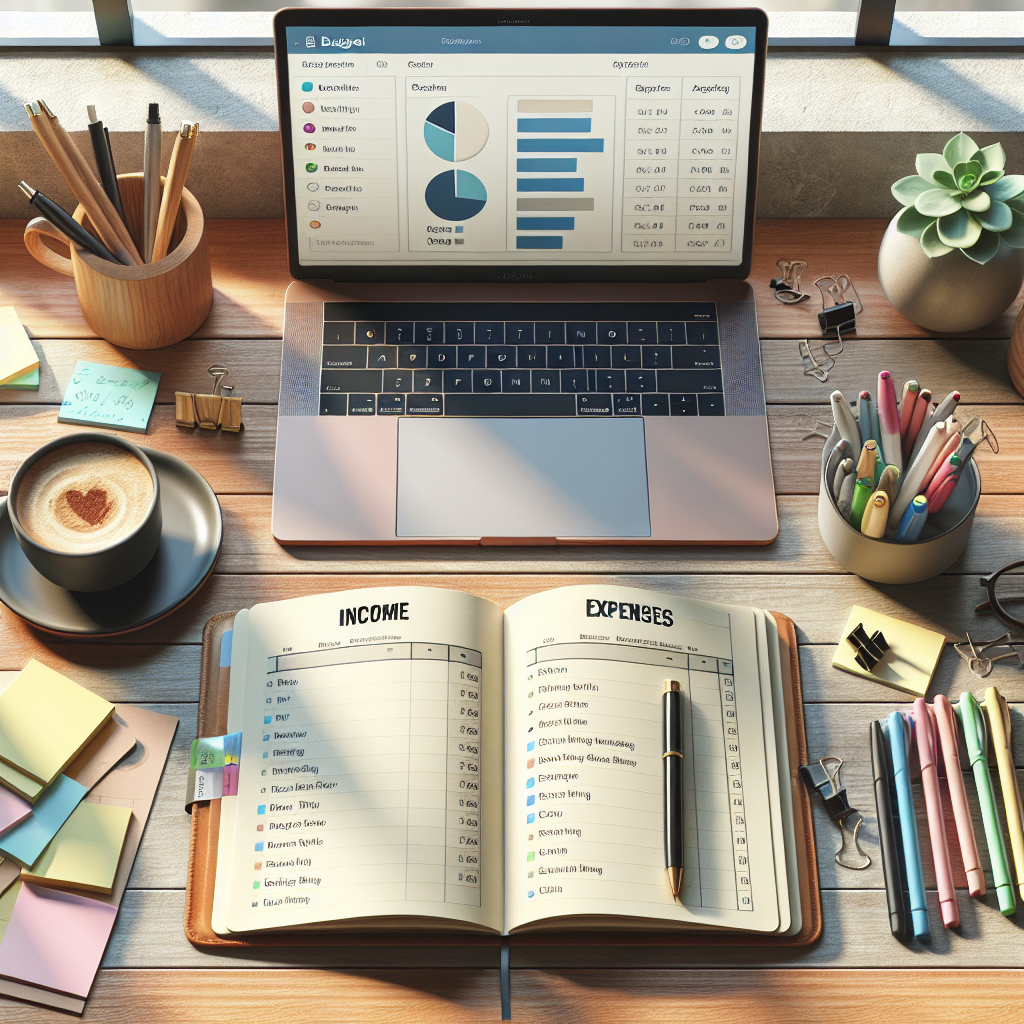
 

Benefits Of Using A Budget Planner

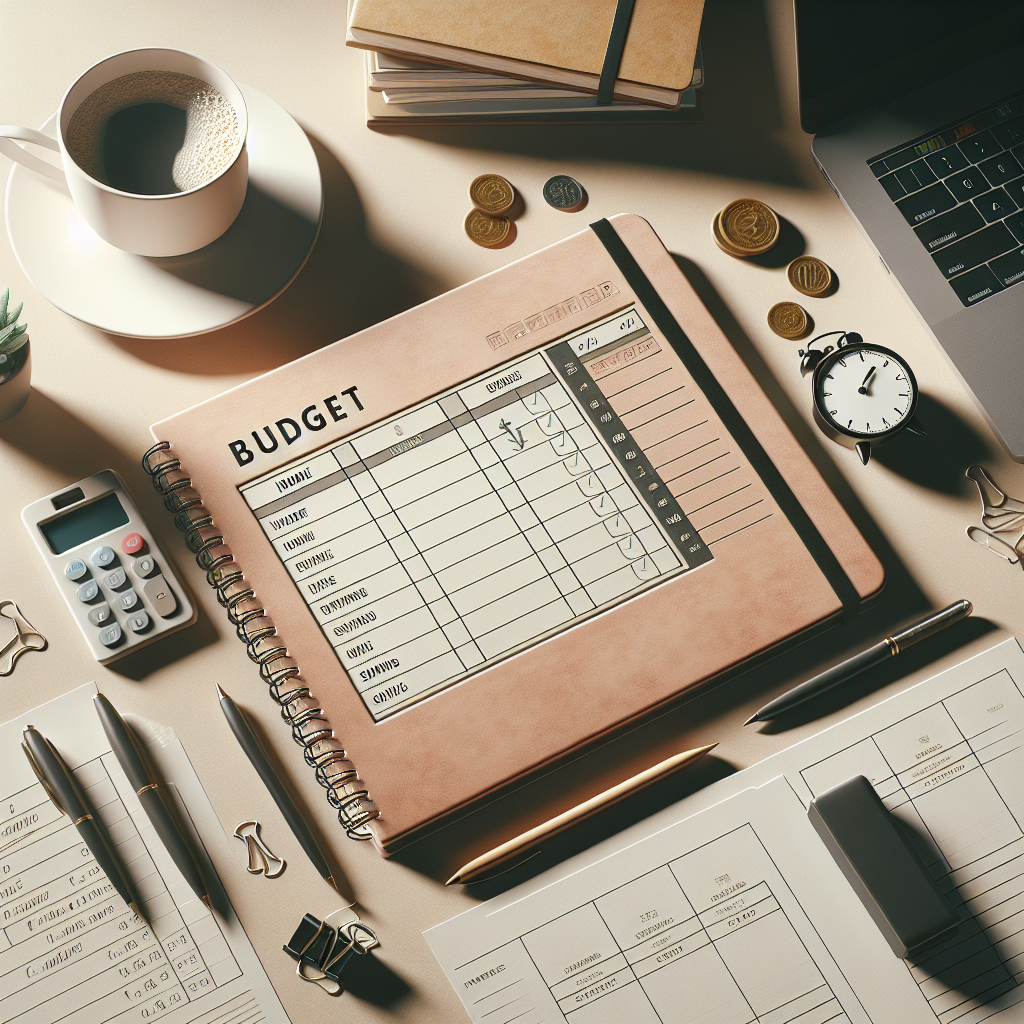
A realistic depiction of a budget planner on a desk with financial documents, a calculator, a cup of coffee, and a laptop.

Using a budget planner offers a multitude of benefits that can significantly improve your financial health. **One of the primary advantages** is the ability to gain a comprehensive overview of your financial situation. With a budget planner, you can easily track your income, expenses, and savings, allowing you to identify areas where you can cut costs and save more effectively.

**Another key benefit** is enhanced financial discipline. By consistently monitoring your spending and adhering to a well-structured budget, you can develop better financial habits. This discipline can lead to reduced debt, as you become more aware of unnecessary expenditures and prioritize paying off outstanding balances.

Budget planners also help in **setting and achieving financial goals**. Whether it’s saving for a vacation, a new home, or an emergency fund, a budget planner provides a clear roadmap to reach your objectives. By breaking down your goals into manageable steps, you can stay motivated and track your progress over time.

Moreover, the use of a budget planner can **reduce financial stress**. Knowing exactly where your money is going and having a plan in place can alleviate the anxiety associated with financial uncertainty. This peace of mind can have a positive impact on your overall well-being.

Finally, budget planners can be tailored to your specific needs. Whether you prefer a simple spreadsheet or a more advanced digital platform, there are countless options available to suit your preferences. The flexibility and customization options ensure that you can create a budget planner that works best for you.


Essential Components Of A Budget Planner

A realistic scene of a budget planner on a desk with a laptop, coffee cup, and stationery.

Creating an effective budget planner involves understanding and incorporating several essential components. These key elements ensure that your planner is comprehensive and functional, helping you manage your finances efficiently.

**1. Income Tracking:** This is the foundation of any budget planner. Accurately recording all sources of income, including salaries, freelance work, and passive income, provides a clear picture of your financial inflow. It’s important to distinguish between regular and irregular income to plan appropriately.

**2. Expense Categorization:** Breaking down your expenses into categories such as housing, groceries, transportation, and entertainment is crucial. This not only helps in tracking spending but also in identifying areas where you can cut costs. Make sure to include both fixed and variable expenses for a complete view.

**3. Savings Goals:** Setting and tracking savings goals is an integral component of a budget planner. Whether you’re saving for an emergency fund, a vacation, or retirement, having a clear target helps you stay focused and motivated. Allocate a portion of your income towards these goals each month.

**4. Debt Management:** If you have any outstanding debts, it’s essential to include a section for debt tracking. Documenting the amounts owed, interest rates, and payment schedules can help you prioritize and systematically reduce your debt.

**5. Monthly Budget Summary:** A monthly summary provides a snapshot of your financial health. It should include total income, total expenses, net savings, and any deviations from your planned budget. This summary helps in adjusting your budget for the upcoming months based on real data.

**6. Emergency Fund:** Allocating funds for unexpected expenses is a critical aspect of financial planning. An emergency fund acts as a financial cushion, preventing you from dipping into your savings or going into debt in case of unforeseen events.

**7. Review and Adjustment:** Regularly reviewing and adjusting your budget planner ensures it remains relevant and effective. Life circumstances change, and your budget should reflect these changes. Schedule periodic reviews to assess your progress and make necessary adjustments.

Incorporating these essential components into your budget planner will help you build a robust financial management tool that supports your financial goals and keeps you on track.


Step-By-Step Guide To Creating A Budget Planner

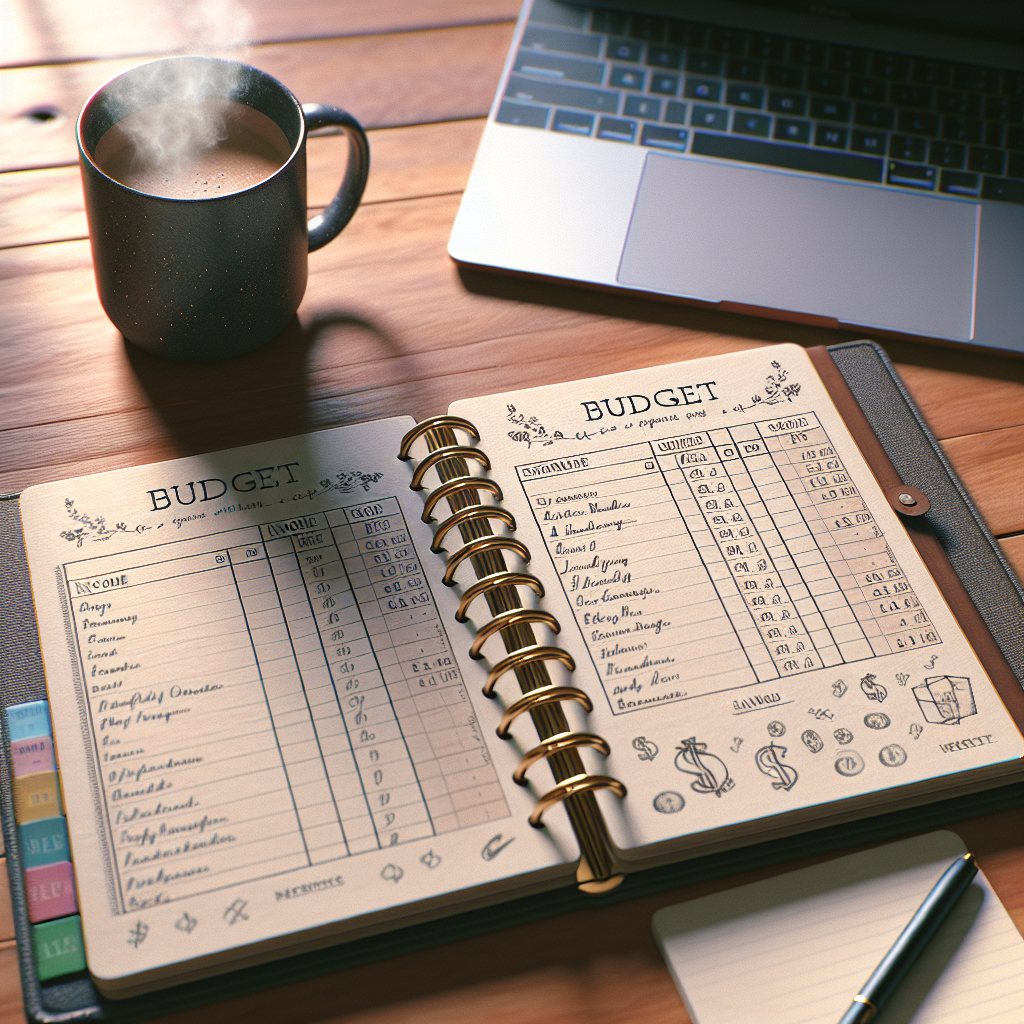
A budget planner journal on a wooden desk with a cup of coffee and a laptop nearby.

Creating a budget planner can seem daunting, but breaking it down into manageable steps makes the process straightforward and effective. Follow this step-by-step guide to create a budget planner that works for you:

**1. Gather Financial Information:** Start by collecting all necessary financial documents, such as pay stubs, bank statements, credit card bills, and receipts. This will give you a clear picture of your income and expenses.

**2. Calculate Your Income:** List all sources of income, including your salary, freelance work, and any passive income. Make sure to account for both regular and irregular income streams. This will form the basis of your budget.

**3. Track Your Expenses:** Over a month, keep track of every expense, no matter how small. Categorize these expenses into fixed (rent, utilities) and variable (groceries, entertainment) categories. This will help you understand your spending patterns.

**4. Set Financial Goals:** Clearly define your short-term and long-term financial goals. Whether it’s saving for an emergency fund, paying off debt, or planning a vacation, having specific goals will keep you motivated.

**5. Create Budget Categories:** Based on your tracked expenses, create budget categories such as housing, transportation, food, savings, and leisure. Assign a spending limit to each category, making sure your total expenses do not exceed your income.

**6. Allocate Funds:** Allocate your income to each budget category based on your spending limits. Make sure to prioritize essential expenses and savings goals. This step ensures that every dollar has a purpose.

**7. Monitor and Adjust:** Regularly review your budget to ensure you are sticking to it. Track your spending and compare it to your budgeted amounts. If you find discrepancies, adjust your budget categories accordingly to stay on track.

**8. Use Budgeting Tools:** Utilize budgeting tools and apps, like Vala, to automate and simplify the budgeting process. These tools can help you track your expenses, analyze your spending patterns, and make necessary adjustments in real-time.

By following this step-by-step guide, you can create a budget planner that not only helps you manage your finances but also brings you closer to achieving your financial goals.


Tips To Maintain And Update Your Budget Planner

Maintaining and updating your budget planner is crucial for its effectiveness. Here are some tips to ensure your budget remains a valuable tool for managing your finances:

**1. Review Regularly:** Set aside time each week or month to review your budget. This consistent check-in helps you stay aware of your spending and make timely adjustments.

**2. Track All Expenses:** Make it a habit to record every expense, no matter how small. This practice ensures that you have an accurate picture of where your money is going and helps in avoiding unnecessary overspending.

**3. Adjust for Changes:** Life is dynamic, and so are your finances. If you receive a salary increase, incur unexpected expenses, or achieve a financial goal, update your budget accordingly. Flexibility is key to maintaining an effective budget.

**4. Categorize Correctly:** Ensure that all expenses are categorized accurately. Misclassified expenses can distort your understanding of your spending patterns and lead to ineffective budgeting.

**5. Set Reminders:** Use reminders to pay bills on time and to review your budget. Automated reminders can help you stay disciplined and avoid late fees or missed payments.

**6. Use Budgeting Tools:** Leverage technology by using apps and software designed to simplify budgeting. Tools like Vala can automatically track expenses, provide insights, and help you make informed financial decisions.

**7. Stay Realistic:** It’s important to set realistic budget goals that are achievable. Overly ambitious targets can lead to frustration and may cause you to abandon your budget altogether.

**8. Avoid Impulse Purchases:** Be mindful of impulse buying, especially for non-essential items. Implementing a ‘cooling-off period’ before making significant purchases can help you make more deliberate and informed decisions.

**9. Involve Family Members:** If you share finances with a partner or family, involve them in the budgeting process. This collaborative approach ensures that everyone is on the same page and committed to the financial plan.

**10. Celebrate Milestones:** Recognize and celebrate when you reach financial milestones, such as paying off debt or reaching a savings goal. This positive reinforcement can keep you motivated and committed to maintaining your budget.

By incorporating these tips, you can ensure that your budget planner remains an effective tool for financial management. Regular maintenance and updates are essential for staying on track with your financial goals.


Common Mistakes To Avoid In Budget Planning

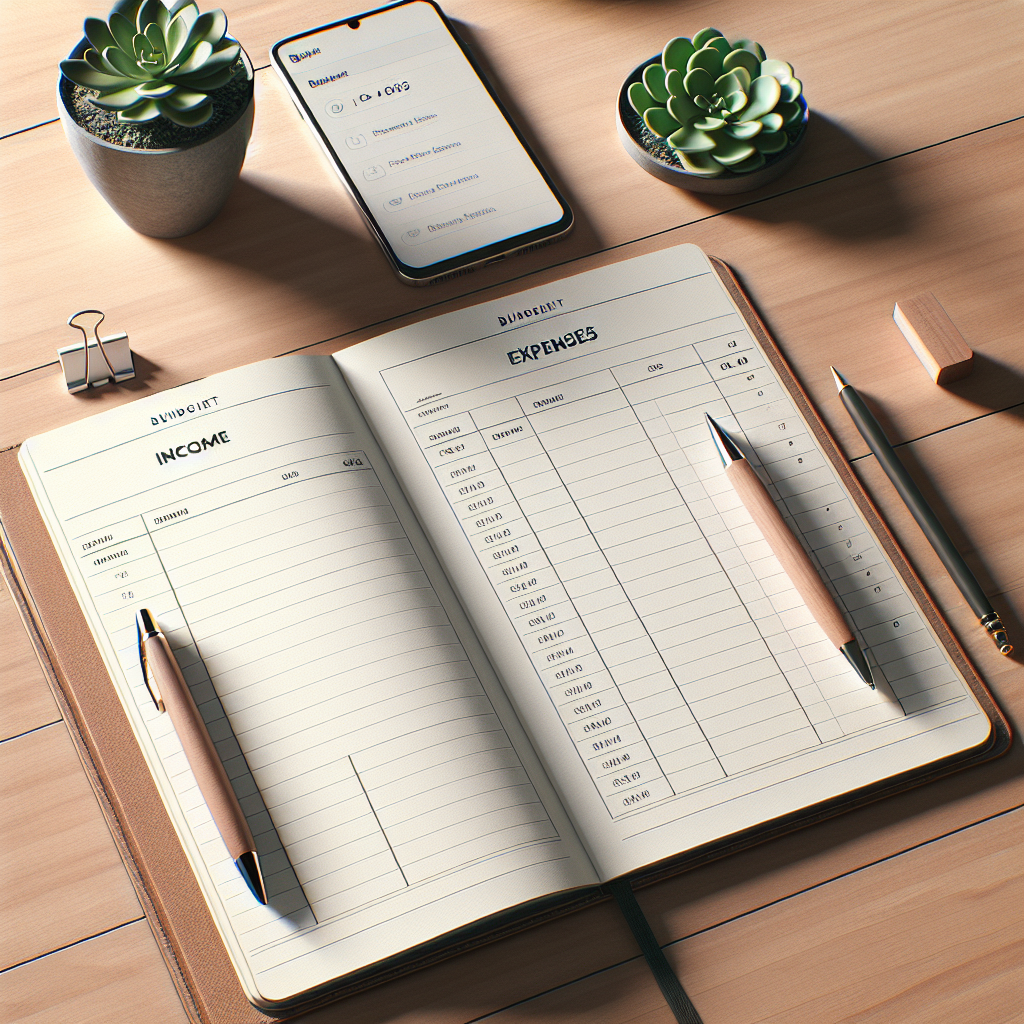
A realistic image of an open budget planner on a desk with a pen, smartphone, and a small pot of plants.

Creating a budget planner is a significant step towards financial stability, but it’s essential to be aware of common mistakes that can undermine your efforts. Here are some pitfalls to avoid:

**1. Overlooking Small Expenses:** Small, seemingly insignificant expenses can add up quickly. Neglecting to track these can lead to discrepancies in your budget, making it less effective.

**2. Setting Unrealistic Goals:** While it’s good to be ambitious, setting unattainable financial goals can lead to frustration and discouragement. Ensure your targets are realistic and achievable.

**3. Ignoring Irregular Expenses:** Expenses like car repairs, medical bills, or annual subscriptions can disrupt your budget if they’re not accounted for. Plan for these irregular costs to avoid financial surprises.

**4. Not Adjusting for Life Changes:** Failing to update your budget to reflect changes in income, expenses, or financial goals can render your budget obsolete. Regularly review and adjust your budget to keep it relevant.

**5. Relying Solely on Memory:** Trusting your memory to keep track of expenses is a common mistake. Use tools or apps to record your expenses accurately and consistently.

**6. Lack of Emergency Fund:** Not having an emergency fund can leave you vulnerable to unexpected financial hardships. Ensure your budget includes contributions to an emergency savings account.

**7. Failing to Involve Family Members:** If you share finances with a partner or family, their exclusion from the budgeting process can lead to miscommunication and financial mismanagement. Make budgeting a collaborative effort.

**8. Being Too Restrictive:** While discipline is essential, being overly restrictive can make your budget unsustainable. Allow for some flexibility to keep yourself motivated.

**9. Neglecting to Review:** A budget is not a set-it-and-forget-it tool. Regular reviews are crucial to ensure it remains aligned with your financial situation and goals.

**10. Disregarding Income Variability:** If your income fluctuates, it’s vital to create a budget that can accommodate these changes. Plan for the lean months to avoid financial stress.

By avoiding these common mistakes, you can create a more effective and sustainable budget planner. Ready to take control of your finances and experience effortless savings? Download Vala today and start managing your budget with ease!