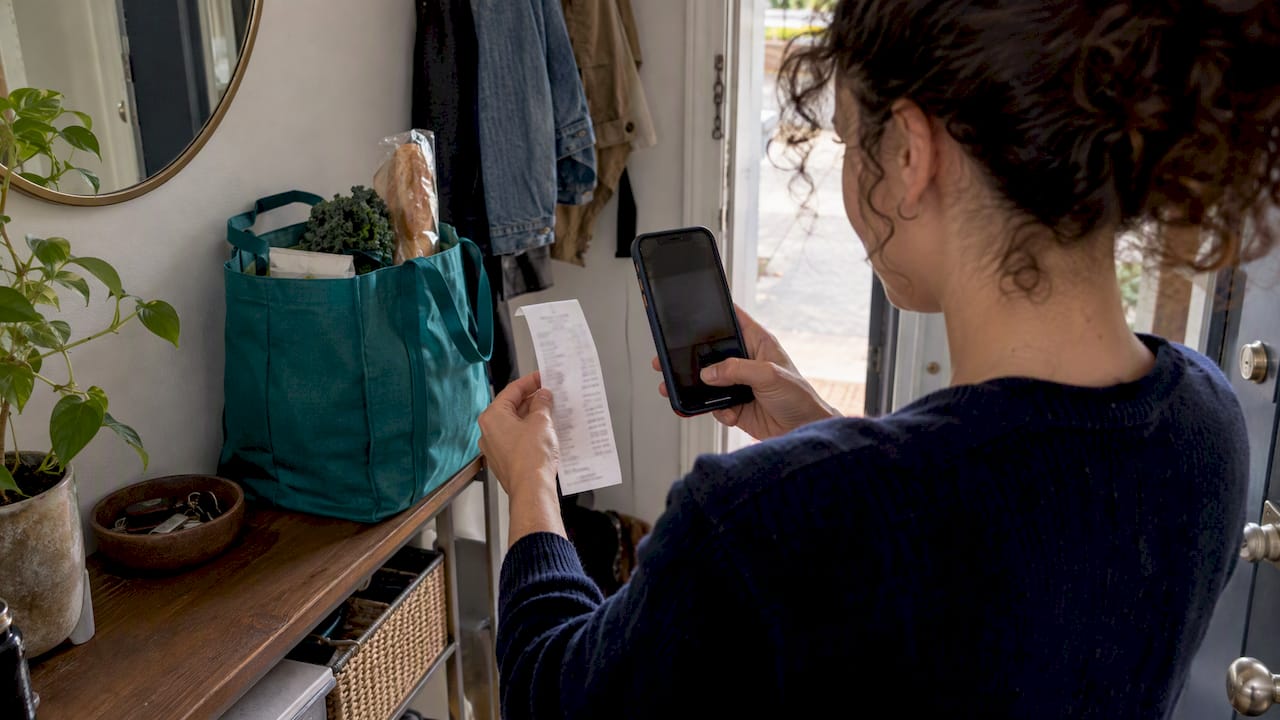
Tracking expenses is a fundamental aspect of personal finance management that often goes overlooked. Many individuals operate under the assumption that they have a general grasp of their spending habits, yet without meticulous tracking, this perception can be misleading. The act of documenting every expenditure provides a clear picture of where money is flowing, allowing individuals to identify patterns, pinpoint unnecessary expenditures, and ultimately make informed financial decisions.
For instance, someone might believe they are spending only a modest amount on dining out, but upon reviewing their tracked expenses, they may discover that these costs add up significantly over the month, leading to a reevaluation of their dining habits. Moreover, tracking expenses is not merely about identifying wasteful spending; it also plays a crucial role in achieving financial goals. Whether one aims to save for a vacation, pay off debt, or build an emergency fund, understanding current spending habits is essential for creating a realistic plan.
By having a comprehensive overview of their financial landscape, individuals can allocate funds more effectively towards their goals. This awareness fosters a sense of accountability and encourages more mindful spending, ultimately leading to better financial health and stability.
Key Takeaways
- Tracking expenses is crucial for gaining control over personal finances and identifying spending habits.
- Establishing a clear system and categorizing expenses simplifies the tracking process.
- Leveraging technology, such as apps and software, enhances accuracy and convenience in expense tracking.
- Creating a budget informed by tracked expenses helps in setting realistic financial goals.
- Regularly analyzing and adjusting expenses based on tracked data supports effective financial planning and discipline.
Setting Up a System for Tracking Expenses
Establishing an effective system for tracking expenses is the first step toward gaining control over one’s finances. This system can take various forms, from traditional pen-and-paper methods to sophisticated digital solutions. The key is to choose a method that aligns with one’s lifestyle and preferences.
For example, some individuals may find it beneficial to maintain a physical ledger where they jot down daily expenses, while others might prefer using spreadsheets that can automatically calculate totals and categorize spending. The choice of system should facilitate ease of use and encourage regular updates. In addition to selecting a tracking method, it is essential to establish a routine for recording expenses.
Consistency is critical; setting aside a specific time each day or week to update expense records can help reinforce the habit.
By integrating expense tracking into one’s regular schedule, it becomes less of a chore and more of a natural part of financial management.
Categorizing Expenses for Easy Tracking

Once a system for tracking expenses is in place, the next step involves categorizing those expenses for easier analysis. Categorization allows individuals to see not just how much they are spending overall but also where their money is going. Common categories include housing, transportation, groceries, entertainment, and savings.
By breaking down expenses into these segments, individuals can quickly identify areas where they may be overspending or where adjustments can be made. For instance, someone might categorize their monthly expenses into fixed costs—such as rent or mortgage payments—and variable costs—like dining out or shopping. This distinction can be particularly enlightening; fixed costs are often non-negotiable, while variable costs present opportunities for savings.
By analyzing these categories over time, individuals can make informed decisions about where to cut back without sacrificing their quality of life. For example, if entertainment expenses are consistently high, one might consider opting for free community events or hosting potlucks instead of dining out.
Utilizing Technology for Expense Tracking
In today’s digital age, technology offers numerous tools and applications designed to simplify the process of expense tracking. These tools can automate many aspects of tracking, making it easier to stay on top of finances without the burden of manual entry. Popular applications like Mint, YNAB (You Need A Budget), and PocketGuard allow users to link their bank accounts and credit cards directly to the app, automatically categorizing transactions and providing real-time insights into spending habits.
Moreover, these applications often come equipped with features that enhance financial awareness. For instance, many offer budgeting tools that allow users to set limits on specific categories and receive alerts when they approach those limits. This proactive approach not only aids in maintaining discipline but also encourages users to think critically about their spending choices.
Additionally, some apps provide visual representations of spending trends through graphs and charts, making it easier to grasp complex financial data at a glance.
Creating a Budget Based on Tracked Expenses
| Metric | Description | How to Track | Tools/Methods |
|---|---|---|---|
| Total Monthly Expenses | The sum of all expenses incurred in a month | Record all expenses and sum them up at month-end | Spreadsheets, Expense tracking apps |
| Category-wise Spending | Expenses broken down by categories like food, transport, utilities | Assign each expense to a category when recording | Budgeting apps, Manual categorization in spreadsheets |
| Daily Expense Average | Average amount spent per day | Total monthly expenses divided by number of days | Calculator, Expense tracking apps |
| Recurring Expenses | Regular expenses that occur monthly or periodically | Identify and list fixed payments like rent, subscriptions | Calendar reminders, Budgeting software |
| Unplanned Expenses | Unexpected or emergency expenses | Track expenses not part of regular budget categories | Manual notes, Expense apps with notes feature |
| Expense to Income Ratio | Percentage of income spent | Divide total expenses by total income and multiply by 100 | Spreadsheets, Financial calculators |
| Cash vs Card Spending | Comparison of expenses paid by cash and card | Record payment method for each expense | Expense tracking apps, Manual logs |
Once expenses have been tracked and categorized, the next logical step is creating a budget that reflects this data. A well-structured budget serves as a roadmap for financial decision-making and helps individuals allocate their resources effectively. The process begins by analyzing tracked expenses to determine average monthly spending in each category.
This analysis provides a foundation upon which to build a realistic budget that aligns with one’s financial goals. When creating a budget, it is crucial to differentiate between needs and wants.
By prioritizing needs in the budget and allocating a reasonable amount for wants, individuals can create a balanced financial plan that allows for both responsible spending and enjoyment. Additionally, incorporating savings into the budget—whether for emergencies or future goals—ensures that financial stability is maintained even in unpredictable circumstances.
Tips for Staying Consistent with Expense Tracking
Maintaining consistency in expense tracking can be challenging, especially as life becomes busy and chaotic. However, there are several strategies that can help individuals stay committed to this important practice. One effective approach is to set reminders or alerts on smartphones or calendars to prompt regular updates.
These reminders can serve as gentle nudges to review expenses and ensure that tracking remains a priority. Another helpful tip is to simplify the tracking process as much as possible. For instance, carrying a small notebook or using an app on one’s phone can make it easier to record expenses on the go rather than waiting until later when details may be forgotten.
Additionally, establishing accountability by sharing financial goals with friends or family members can provide motivation to stay consistent with tracking efforts. Engaging in discussions about finances can foster a supportive environment where individuals encourage each other to remain diligent in their expense tracking endeavors.
Analyzing Tracked Expenses for Financial Planning
Once sufficient data has been collected through expense tracking, it becomes essential to analyze this information for effective financial planning. This analysis involves reviewing spending patterns over time and identifying trends that may impact future financial decisions. For example, if an individual notices that their grocery expenses have steadily increased over several months, it may prompt them to explore ways to reduce costs—such as meal planning or shopping sales.
Furthermore, analyzing tracked expenses can reveal opportunities for investment or savings that may have previously gone unnoticed. For instance, if someone consistently spends less than budgeted in certain categories, they might consider reallocating those funds toward savings or investments rather than allowing them to slip away unnoticed. This proactive approach not only enhances financial literacy but also empowers individuals to take control of their financial futures by making informed decisions based on concrete data.
Adjusting Expenses Based on Tracked Data
The final step in the expense tracking process involves making adjustments based on the insights gained from analyzed data. Financial circumstances are rarely static; therefore, flexibility is key when it comes to managing expenses effectively. If tracked data indicates that certain categories consistently exceed budgeted amounts—such as entertainment or dining out—it may be necessary to reassess priorities and make conscious choices about spending in those areas.
Conversely, if an individual finds themselves consistently under budget in specific categories, they might consider reallocating those funds toward savings or investments that align with their long-term goals. This adaptability ensures that financial plans remain relevant and responsive to changing circumstances. By regularly reviewing tracked expenses and making necessary adjustments, individuals can cultivate healthier financial habits that lead to greater stability and peace of mind in their financial lives.
To effectively track your expenses, it’s essential to choose the right budgeting tools that suit your needs. A helpful resource for this is the article on mastering your finances, which provides insights into the best budget planner picks. You can read more about it here. This article can guide you in selecting a planner that will help you keep your expenses in check and achieve your financial goals.
FAQs
What is expense tracking?
Expense tracking is the process of recording and monitoring all your spending to understand where your money goes. It helps in managing budgets and improving financial planning.
Why is it important to track expenses?
Tracking expenses allows you to identify spending patterns, control unnecessary expenditures, save money, and achieve financial goals more effectively.
What are common methods to track expenses?
Common methods include using spreadsheets, mobile apps, budgeting software, or maintaining a physical expense journal.
Can I track expenses manually without technology?
Yes, you can track expenses manually by writing down all your expenditures in a notebook or ledger, though it may be less efficient than digital methods.
How often should I track my expenses?
It is recommended to track expenses daily or weekly to maintain accurate records and stay on top of your budget.
What information should I record when tracking expenses?
You should record the date, amount spent, category (e.g., food, transportation), payment method, and any relevant notes.
Are there free tools available for expense tracking?
Yes, many free apps and spreadsheet templates are available for expense tracking, such as Mint, YNAB (You Need A Budget), and Google Sheets.
How can tracking expenses help with budgeting?
By knowing exactly where your money goes, you can create realistic budgets, identify areas to cut costs, and allocate funds more effectively.
Is it necessary to track every small expense?
While tracking every expense provides the most accurate picture, some people choose to track only significant or recurring expenses to simplify the process.
Can expense tracking improve financial habits?
Yes, regular expense tracking increases financial awareness, encourages mindful spending, and helps build better money management habits.