
In recent years, budgeting apps have gained significant traction as essential tools for personal finance management. These applications are designed to help users track their income, expenses, and savings, making it easier to maintain financial stability. With the rise of smartphones and digital technology, budgeting apps have become more accessible, allowing individuals to manage their finances on the go. The convenience of having a financial planner in one’s pocket has transformed how people approach budgeting, making it a more engaging and less daunting task.
The evolution of budgeting apps reflects a broader trend toward digital solutions in personal finance. Traditional methods of budgeting, such as pen and paper or spreadsheets, can be cumbersome and time-consuming. In contrast, budgeting apps offer user-friendly interfaces and automated features that streamline the process. As financial literacy becomes increasingly important in today’s economy, these apps provide valuable resources for individuals seeking to improve their financial health and achieve their monetary goals.
If you’re looking for a free budgeting app to help manage your finances effectively, you might find it useful to explore related resources.
One such article is titled “Discover the Best Personal Finance Apps for Families,” which provides insights into various financial tools that can assist families in budgeting and tracking expenses.
You can read more about it by following this link: Discover the Best Personal Finance Apps for Families.
Key Takeaways
- Budgeting apps help simplify managing personal finances by tracking income and expenses.
- Key benefits include improved financial awareness, better spending habits, and easier goal setting.
- Important features to consider are user-friendly interfaces, expense categorization, and real-time syncing.
- Choosing the right app depends on individual needs, such as budgeting style and device compatibility.
- Consistent use and regular updates enhance the effectiveness of budgeting apps in controlling finances.
Benefits of Using a Budgeting App
One of the primary benefits of using a budgeting app is the ability to gain a clearer understanding of one’s financial situation. By tracking income and expenses in real-time, users can identify spending patterns and areas where they may be overspending. This awareness can lead to more informed financial decisions and ultimately help individuals allocate their resources more effectively. Additionally, many budgeting apps provide visual representations of financial data, such as graphs and charts, which can make it easier to comprehend complex information at a glance.
Another significant advantage of budgeting apps is their ability to promote accountability. When users input their financial data into an app, they are more likely to stay committed to their budgeting goals. Many apps offer features such as reminders and alerts that encourage users to stick to their budgets and avoid unnecessary expenditures. This sense of accountability can be particularly beneficial for those who struggle with impulse spending or have difficulty adhering to a budget without external motivation.
Features to Look for in a Budgeting App

When selecting a budgeting app, it is essential to consider the features that will best meet individual needs. One critical feature is the ability to sync with bank accounts and credit cards. This functionality allows users to automatically import transactions, reducing the time spent on manual entry and minimizing the risk of errors. Additionally, apps that offer customizable categories for expenses can help users tailor their budgets to reflect their unique spending habits.
Another important feature is reporting capabilities. A good budgeting app should provide insights into spending trends over time, allowing users to analyze their financial behavior and make adjustments as needed. Some apps also include goal-setting features, enabling users to set specific savings targets or debt repayment plans. These tools can enhance motivation and provide a clear roadmap for achieving financial objectives.
How to Choose the Right Budgeting App for You
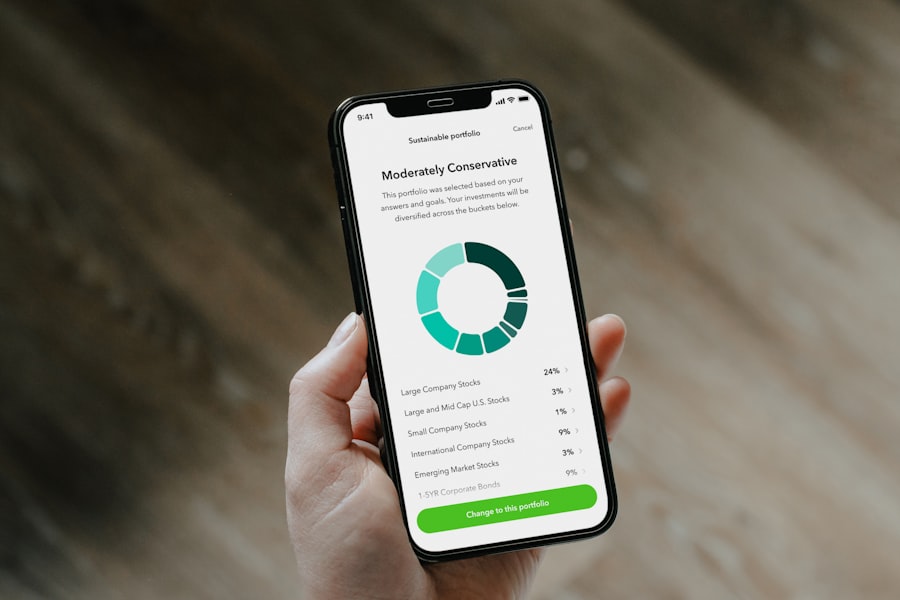
Choosing the right budgeting app involves assessing personal preferences and financial goals. Start by identifying what features are most important based on individual circumstances. For example, someone who frequently travels may prioritize an app that offers currency conversion or expense tracking for multiple currencies. Conversely, a user focused on debt repayment might look for an app with robust debt management tools.
It is also advisable to consider the app’s user interface and overall usability. A budgeting app should be intuitive and easy to navigate, as this will encourage regular use. Many apps offer free trials or basic versions, allowing potential users to test them before committing financially. Reading reviews and seeking recommendations from friends or family can also provide valuable insights into which apps may be the best fit.
If you’re looking to manage your finances more effectively, a free budgeting app can be a great tool to help you track your expenses and savings. For those who prefer a more hands-on approach, you might find it useful to explore creating a budget tracker using Excel. This method allows for customization and flexibility in your budgeting process. You can learn more about this by checking out an insightful article on how to create a budget tracker in Excel, which provides a sample file and step-by-step instructions to get you started.
Setting Up and Using a Budgeting App
| App Name | Platform | Key Features | User Rating (out of 5) | Monthly Active Users (Millions) | Cost |
|---|---|---|---|---|---|
| Mint | iOS, Android, Web | Budget tracking, bill reminders, credit score monitoring | 4.2 | 20 | Free |
| Goodbudget | iOS, Android, Web | Envelope budgeting, debt tracking, sync across devices | 4.0 | 2 | Free |
| EveryDollar | iOS, Android, Web | Zero-based budgeting, expense tracking, financial goal setting | 4.1 | 1.5 | Free |
| Personal Capital | iOS, Android, Web | Budgeting, investment tracking, retirement planner | 4.3 | 3 | Free |
| Wally | iOS, Android | Expense tracking, budget planning, receipt scanning | 4.0 | 1 | Free |
Once a budgeting app has been selected, the next step is setting it up for optimal use. This process typically begins with creating an account and linking bank accounts or credit cards for automatic transaction imports. Users should take the time to categorize their expenses accurately, as this will provide a clearer picture of spending habits. Most apps allow for customization, enabling users to create categories that reflect their lifestyle and priorities.
After the initial setup, regular engagement with the app is crucial for effective budgeting. Users should make it a habit to review their financial data frequently, adjusting budgets as necessary based on changing circumstances or goals. Many apps also offer features that allow users to set reminders for bill payments or savings contributions, which can help maintain financial discipline over time.
Tracking Expenses and Income with a Budgeting App
Tracking expenses and income is at the core of any budgeting app’s functionality. Users can input transactions manually or rely on automatic syncing with their financial accounts. This dual approach ensures that all financial activity is accounted for, providing a comprehensive overview of one’s financial landscape. By categorizing expenses—such as groceries, entertainment, or utilities—users can quickly identify where their money is going and make informed decisions about future spending.
In addition to tracking expenses, budgeting apps often allow users to monitor their income streams. This feature is particularly useful for individuals with multiple sources of income, such as freelance work or side businesses. By keeping all income sources in one place, users can better understand their overall financial picture and plan accordingly. Regularly reviewing both income and expenses helps users maintain balance and avoid overspending.
Tips for Maximizing the Use of a Budgeting App
To get the most out of a budgeting app, users should adopt certain strategies that enhance its effectiveness. One key tip is to set realistic goals that align with personal financial aspirations. Whether it’s saving for a vacation or paying off debt, having clear objectives can motivate users to stick to their budgets. Many apps allow users to set specific savings goals, which can serve as a constant reminder of what they are working toward.
Another useful strategy is to regularly review and adjust budgets based on changing circumstances. Life events such as job changes, moving, or unexpected expenses can impact financial situations significantly. By revisiting budgets frequently and making necessary adjustments, users can ensure that they remain on track toward achieving their goals. Additionally, engaging with community features within some apps—such as forums or social sharing—can provide support and encouragement from others on similar financial journeys.
Taking Control of Your Finances with a Budgeting App
In conclusion, budgeting apps offer valuable tools for individuals seeking to take control of their finances. By providing insights into spending habits and promoting accountability, these applications empower users to make informed financial decisions. The variety of features available allows individuals to customize their budgeting experience according to their unique needs and preferences.
As personal finance becomes increasingly important in today’s economic landscape, utilizing a budgeting app can be a significant step toward achieving financial stability and success. With regular engagement and thoughtful goal-setting, users can harness the full potential of these tools, ultimately leading to improved financial health and greater peace of mind regarding their monetary affairs.
FAQs
What is a free budgeting app?
A free budgeting app is a software application designed to help users manage their personal finances without any cost. These apps typically offer features such as expense tracking, budget creation, bill reminders, and financial goal setting.
Are free budgeting apps safe to use?
Most reputable free budgeting apps use encryption and other security measures to protect user data. However, it is important to choose apps from trusted developers and review their privacy policies to ensure your financial information is secure.
What features can I expect from a free budgeting app?
Common features include tracking income and expenses, categorizing spending, setting budget limits, generating financial reports, and syncing with bank accounts. Some apps also offer alerts for bill payments and tips for saving money.
Can free budgeting apps connect to my bank accounts?
Many free budgeting apps offer the ability to link directly to bank accounts and credit cards to automatically import transactions. This feature helps users keep their budgets up to date without manual entry, but it requires granting the app access to financial data.
Are there any limitations to free budgeting apps compared to paid versions?
Yes, free budgeting apps may have limitations such as fewer features, ads, limited customer support, or restrictions on the number of accounts or budgets you can manage. Paid versions often provide more advanced tools and enhanced user experience.