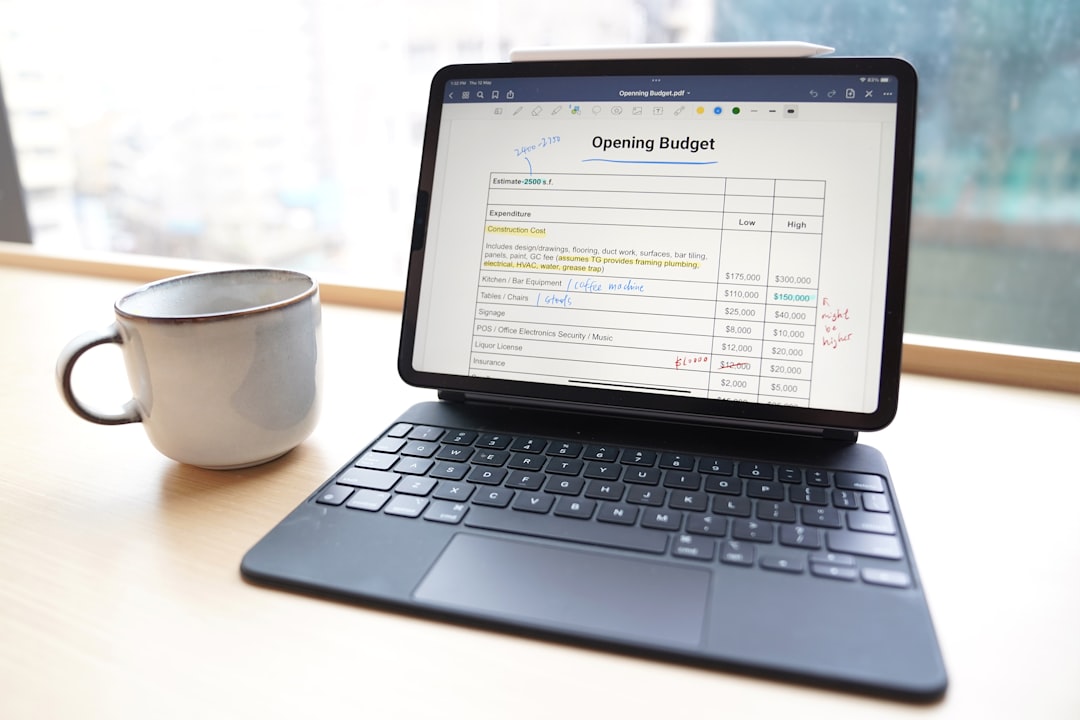
Budgeting is an essential financial skill that forms the foundation of effective personal finance management. It involves developing a systematic plan to distribute income across expenses, savings, and investments. This process enables individuals to gain a clear understanding of their financial position and make well-informed monetary decisions.
A budget functions as a financial roadmap, providing direction through income management, expense tracking, and savings allocation. The significance of budgeting extends beyond simple expense tracking. It offers transparency regarding spending patterns and identifies opportunities for financial optimization.
Without a structured budget, individuals frequently experience uncontrolled discretionary spending, which can result in financial strain and debt accumulation. Through budgeting, people can categorize their financial obligations into fixed expenses—including housing payments, insurance, and loan obligations—and variable expenses—such as food, transportation, and entertainment costs. This categorization provides a complete overview of financial responsibilities and cash flow patterns, which is fundamental for achieving financial stability and building long-term wealth.
Key Takeaways
- Budgeting starts with understanding your income, expenses, and financial habits.
- Clear financial goals guide effective budgeting and spending decisions.
- Consistently tracking income and expenses is essential for accurate budgeting.
- Prioritize spending, saving, and debt management to maintain financial health.
- Regularly review and adjust your budget to stay aligned with changing needs.
Setting Financial Goals
Setting financial goals is a critical step in the budgeting process, as it provides direction and purpose to your financial planning efforts. Financial goals can be categorized into short-term, medium-term, and long-term objectives. Short-term goals might include saving for a vacation or paying off a small debt within a year, while medium-term goals could involve saving for a down payment on a house or funding a child’s education over the next five years.
When establishing these goals, it is essential to ensure they are SMART: Specific, Measurable, Achievable, Relevant, and Time-bound. For example, instead of vaguely stating that you want to save money, a SMART goal would be to save $5,000 for a vacation within the next 12 months.
This specificity not only clarifies the objective but also allows for tracking progress over time. By aligning your budget with these financial goals, you create a purposeful approach to managing your finances that can lead to greater satisfaction and achievement.
Tracking Income and Expenses

Tracking income and expenses is an integral part of effective budgeting. It involves meticulously recording all sources of income—such as salaries, bonuses, and side hustles—as well as every expenditure, from fixed costs like rent to variable costs like dining out. This practice provides insight into spending habits and helps identify patterns that may need adjustment.
For instance, an individual may discover that they are spending significantly more on dining out than they initially realized, prompting them to reconsider their eating habits. There are various methods for tracking income and expenses, ranging from traditional pen-and-paper methods to sophisticated budgeting apps that automate the process. Many people find that using digital tools can simplify tracking by categorizing expenses automatically and providing visual representations of spending patterns.
Regardless of the method chosen, the key is consistency; regularly updating records ensures that the budget remains accurate and reflective of current financial circumstances. This ongoing tracking not only aids in maintaining discipline but also fosters a deeper understanding of one’s financial behavior.
Creating a Budget Plan
Creating a budget plan is the culmination of understanding your financial situation, setting goals, and tracking income and expenses. A well-structured budget plan typically includes categories for fixed expenses (like housing and utilities), variable expenses (such as groceries and entertainment), savings contributions, and debt repayments. The first step in crafting this plan is to calculate total monthly income and then allocate funds to each category based on priorities and goals.
One effective budgeting method is the 50/30/20 rule, which suggests allocating 50% of your income to needs (essential expenses), 30% to wants (discretionary spending), and 20% to savings and debt repayment. This framework provides a balanced approach that ensures essential needs are met while still allowing for personal enjoyment and future financial security. However, it’s important to customize any budgeting method to fit individual circumstances; some may require more stringent savings or debt repayment strategies depending on their unique financial situations.
Prioritizing Spending and Saving
| Category | Recommended Percentage | Example Amount | Notes |
|---|---|---|---|
| Housing | 30% | 600 | Rent or mortgage payments |
| Utilities | 10% | 200 | Electricity, water, internet, phone |
| Food | 15% | 300 | Groceries and dining out |
| Transportation | 10% | 200 | Gas, public transit, car maintenance |
| Savings | 20% | 400 | Emergency fund, retirement, investments |
| Entertainment | 5% | 100 | Movies, hobbies, subscriptions |
| Miscellaneous | 10% | 200 | Clothing, gifts, unexpected expenses |
Prioritizing spending and saving is essential for maintaining financial health and achieving long-term goals. Once a budget plan is in place, individuals must evaluate their spending habits critically. This evaluation often reveals areas where spending can be reduced or eliminated altogether.
For example, if an individual finds that they are consistently overspending on subscriptions or impulse purchases, they may need to reassess these expenditures in light of their financial goals. In addition to cutting unnecessary expenses, prioritizing saving is equally important. Establishing a savings hierarchy can help individuals focus on what matters most financially.
For instance, one might prioritize building an emergency fund before investing in luxury items or experiences. By consciously directing funds toward savings first—such as setting up automatic transfers to a savings account—individuals can ensure they are consistently working toward their financial objectives while still enjoying life’s pleasures within their means.
Managing Debt

Managing debt is a crucial aspect of personal finance that requires careful attention within the budgeting framework. Debt can take many forms—credit card balances, student loans, mortgages—and each type may require different strategies for management. The first step in managing debt effectively is to gain a clear understanding of all outstanding debts, including interest rates and minimum payments.
This knowledge allows individuals to prioritize which debts to tackle first based on factors such as interest rates or outstanding balances. One common strategy for managing debt is the snowball method, where individuals focus on paying off the smallest debts first while making minimum payments on larger debts. This approach can provide psychological benefits by creating quick wins that motivate continued progress.
Alternatively, the avalanche method targets debts with the highest interest rates first, potentially saving money on interest payments over time. Regardless of the chosen strategy, incorporating debt repayment into the budget is essential; allocating specific amounts each month toward debt reduction can accelerate the journey toward financial freedom.
Building an Emergency Fund
An emergency fund serves as a financial safety net that can protect individuals from unexpected expenses such as medical emergencies or job loss. Building this fund should be a priority within any budget plan because it provides peace of mind and reduces reliance on credit cards or loans during crises. Financial experts often recommend saving three to six months’ worth of living expenses in an easily accessible account dedicated solely to emergencies.
To build an emergency fund effectively, individuals should start by setting small, achievable savings goals. For instance, aiming to save $1,000 as an initial target can provide a solid foundation before working toward larger amounts. Automating contributions to this fund can also facilitate growth; by setting up automatic transfers from checking accounts to savings accounts each month, individuals can gradually build their emergency fund without having to think about it actively.
This proactive approach not only fosters discipline but also ensures that funds are available when needed most.
Adjusting and Reviewing Your Budget
The final component of effective budgeting involves regularly adjusting and reviewing your budget to reflect changes in income, expenses, or financial goals. Life is dynamic; circumstances such as job changes, family growth, or unexpected expenses can necessitate modifications to your budget plan. Regularly reviewing your budget—ideally on a monthly basis—allows you to assess whether you are meeting your financial goals and where adjustments may be needed.
During these reviews, it’s important to analyze both successes and challenges within your budgeting efforts. If certain categories consistently exceed their allocated amounts, it may indicate the need for reallocation or reevaluation of priorities. Conversely, if you find yourself consistently under-spending in certain areas, those funds could be redirected toward savings or debt repayment efforts.
By maintaining flexibility in your budgeting approach and being willing to adapt as circumstances change, you can ensure that your financial plan remains relevant and effective over time.
For those just starting their budgeting journey, it’s essential to find the right tools to help manage finances effectively. A great resource to explore is the article on budget tracker apps, which provides insights into various applications that can simplify the budgeting process. You can read more about it in this valapoint.
com/budget-tracker-apps/’>budget tracker apps article.
FAQs
What is budgeting?
Budgeting is the process of creating a plan to manage your income and expenses. It helps you allocate money for necessities, savings, and discretionary spending to achieve financial goals.
Why is budgeting important for beginners?
Budgeting is important for beginners because it provides a clear understanding of where money is going, helps avoid overspending, reduces financial stress, and promotes saving for future needs or emergencies.
How do I start budgeting as a beginner?
To start budgeting, track your income and expenses, categorize your spending, set financial goals, and create a plan that allocates funds to different categories while ensuring expenses do not exceed income.
What are the common budgeting methods for beginners?
Common budgeting methods include the 50/30/20 rule (50% needs, 30% wants, 20% savings), zero-based budgeting (assigning every dollar a purpose), and envelope budgeting (using cash envelopes for spending categories).
How often should I review my budget?
It is recommended to review your budget monthly to track progress, adjust for changes in income or expenses, and ensure you are meeting your financial goals.
Can budgeting help me get out of debt?
Yes, budgeting can help you allocate extra funds toward debt repayment, prioritize high-interest debts, and avoid accumulating new debt by controlling spending.
What tools can beginners use for budgeting?
Beginners can use spreadsheets, budgeting apps, or simple pen-and-paper methods to track income and expenses and create a budget plan.
Is it necessary to budget every expense?
While it is helpful to track most expenses, some small or irregular expenses can be grouped into miscellaneous categories to simplify budgeting.
How do I handle irregular income when budgeting?
For irregular income, base your budget on your average monthly income, prioritize essential expenses, and save surplus income during higher-earning months to cover leaner periods.
What should I do if I overspend in a budget category?
If you overspend, adjust other categories to compensate, reduce discretionary spending, or revisit your budget to make it more realistic.