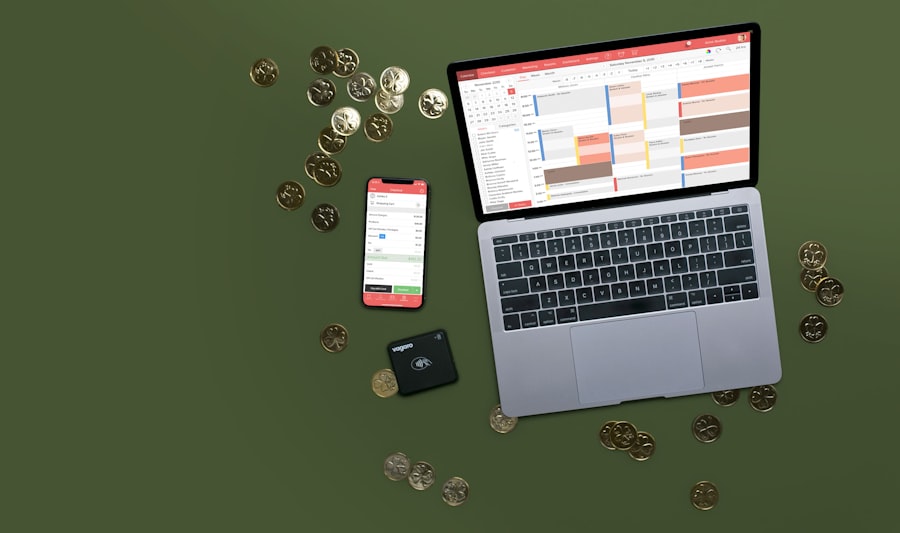
Mastering Simple Money Management

To effectively manage your finances, the first step is to gain a comprehensive understanding of your income and expenses. Income refers to the money you earn from various sources, such as your salary, bonuses, rental income, or dividends from investments. It is crucial to have a clear picture of your total income, as this will serve as the foundation for your financial planning.

For instance, if you earn a monthly salary of $4,000 but also receive an additional $500 from freelance work, your total monthly income would be $4,500. This figure is essential for determining how much you can allocate toward savings, investments, and discretionary spending. On the other hand, understanding your expenses is equally important.

Expenses can be categorized into fixed and variable costs. Fixed expenses include rent or mortgage payments, insurance premiums, and loan repayments, which remain relatively constant each month. Variable expenses, such as groceries, entertainment, and dining out, can fluctuate significantly.

By tracking these expenses over time, you can identify patterns and areas where you might be overspending. For example, if you notice that your dining out expenses consistently exceed your budgeted amount, it may be time to reassess your eating habits or explore more cost-effective dining options. This detailed analysis of both income and expenses lays the groundwork for effective budgeting and financial management.

Key Takeaways

  • Know your income and expenses to manage money effectively.
  • Create a realistic budget and follow it consistently.
  • Build an emergency fund to cover unexpected costs.
  • Prioritize paying off debt to improve financial health.
  • Invest and save wisely for long-term financial goals.

Creating a Budget and Sticking to It

Once you have a clear understanding of your income and expenses, the next step is to create a budget that reflects your financial goals and priorities. A budget serves as a roadmap for your spending and saving habits, helping you allocate your resources effectively. To create a budget, start by listing all sources of income and categorizing your expenses into fixed and variable costs.

From there, determine how much you want to save each month and allocate funds accordingly. For instance, if you aim to save 20% of your income, you would set aside $900 from a monthly income of $4,500. Sticking to a budget can be challenging, especially when unexpected expenses arise or when temptations to overspend present themselves.

One effective strategy is to use the envelope system, where you allocate cash for specific spending categories and place it in labeled envelopes. Once the cash in an envelope is gone, you cannot spend any more in that category until the next budgeting period. Additionally, utilizing budgeting apps can help you track your spending in real-time and send alerts when you approach your limits in various categories.

Regularly reviewing and adjusting your budget based on changing circumstances or financial goals is also essential for maintaining financial discipline.

Building an Emergency Fund

money management

An emergency fund is a crucial component of financial stability, providing a safety net for unexpected expenses such as medical emergencies, car repairs, or job loss. Financial experts typically recommend saving three to six months’ worth of living expenses in an easily accessible account. For example, if your monthly living expenses total $3,000, aim to build an emergency fund of $9,000 to $18,000.

This fund not only offers peace of mind but also prevents you from relying on credit cards or loans during financial emergencies. To build an emergency fund effectively, start by setting a specific savings goal and timeline. You might decide to save $500 each month until you reach your target amount.

Automating your savings can simplify this process; consider setting up a direct deposit from your paycheck into a separate savings account designated for emergencies. Additionally, look for ways to cut back on discretionary spending or increase your income through side jobs or freelance work to accelerate the growth of your emergency fund. The key is to prioritize this savings goal alongside other financial commitments to ensure that you are prepared for whatever life may throw your way.

Paying Off Debt

Debt can be a significant barrier to achieving financial freedom and stability. Whether it’s student loans, credit card debt, or personal loans, understanding how to manage and pay off debt is essential for long-term financial health. The first step in tackling debt is to assess the total amount owed and categorize it by interest rates and payment terms.

High-interest debt, such as credit card balances, should be prioritized because it accumulates interest more quickly than lower-interest loans. One effective strategy for paying off debt is the snowball method, where you focus on paying off the smallest debts first while making minimum payments on larger debts. This approach can provide psychological benefits as you experience quick wins by eliminating smaller debts.

Alternatively, the avalanche method prioritizes debts with the highest interest rates first, which can save you more money in interest payments over time. Regardless of the method chosen, consistency is key; setting up automatic payments can help ensure that you stay on track with your repayment plan. Additionally, consider negotiating with creditors for lower interest rates or exploring debt consolidation options if applicable.

Saving for the Future

Metric Description Example Value Recommended Range
Income Total monthly earnings from all sources 3000 Varies
Expenses Total monthly spending on necessities and discretionary items 2200 Less than Income
Savings Rate Percentage of income saved each month 20% 10% – 30%
Emergency Fund Amount saved to cover 3-6 months of expenses 6600 3 to 6 times monthly expenses
Debt-to-Income Ratio Percentage of income used to pay debts 15% Less than 36%
Budget Categories Common spending categories tracked Housing, Food, Transportation, Entertainment, Savings N/A

Saving for the future is an essential aspect of financial planning that allows individuals to achieve their long-term goals, whether it’s buying a home, funding education, or preparing for retirement. Establishing specific savings goals can provide motivation and direction for your efforts. For instance, if you plan to buy a home in five years and estimate needing $50,000 for a down payment, you would need to save approximately $833 per month to reach that goal.

In addition to setting specific goals, it’s important to choose the right savings vehicles based on your timeline and risk tolerance. High-yield savings accounts or certificates of deposit (CDs) are suitable for short-term goals due to their liquidity and lower risk. For longer-term goals like retirement, consider contributing to tax-advantaged accounts such as 401(k)s or IRAs that offer potential growth through investments in stocks or bonds.

Regularly reviewing and adjusting your savings strategy based on changes in income or life circumstances will help ensure that you remain on track toward achieving your future financial aspirations.

Investing for the Long Term

Photo money management

Investing is a powerful tool for building wealth over time and achieving financial independence. Unlike saving, which typically involves putting money into low-risk accounts with modest returns, investing allows individuals to grow their wealth through various asset classes such as stocks, bonds, real estate, and mutual funds. The key to successful investing lies in understanding risk tolerance and time horizon; younger investors may opt for more aggressive portfolios with higher potential returns but also greater volatility.

Diversification is another critical principle of investing that helps mitigate risk by spreading investments across different asset classes and sectors. For example, rather than investing solely in technology stocks, a diversified portfolio might include healthcare stocks, bonds, real estate investment trusts (REITs), and international equities. This approach reduces the impact of poor performance in any single investment on the overall portfolio.

Additionally, adopting a long-term perspective is essential; market fluctuations are inevitable, but historically, markets tend to recover over time. Regularly contributing to investment accounts through dollar-cost averaging can also help smooth out the effects of market volatility.

Tracking Your Spending and Adjusting as Needed

Tracking spending is an ongoing process that allows individuals to stay informed about their financial habits and make necessary adjustments over time. By monitoring where money goes each month—whether through budgeting apps or spreadsheets—you can identify trends in spending behavior that may require attention. For instance, if you find that entertainment expenses consistently exceed your budgeted amount, it may be time to reassess how much you’re willing to spend in that category or explore more affordable alternatives.

Adjusting spending habits based on tracked data can lead to significant improvements in overall financial health. If certain categories consistently exceed budgets while others remain underutilized, reallocating funds may be necessary to align with priorities better.

Additionally, regular reviews of subscriptions or recurring charges can uncover opportunities for savings; canceling unused services can free up funds for more meaningful expenditures or savings goals.

The key is to remain flexible and open to change as financial circumstances evolve.

Seeking Professional Financial Advice

While self-education and personal finance management are valuable skills, there are times when seeking professional financial advice can provide significant benefits. Financial advisors can offer tailored guidance based on individual circumstances and goals—whether it’s retirement planning, tax strategies, or investment management. When selecting a financial advisor, consider their qualifications, experience, and fee structure; some advisors charge flat fees while others earn commissions based on products sold.

Engaging with a professional can also provide accountability; having someone who monitors progress toward financial goals can motivate individuals to stay disciplined in their saving and spending habits. Furthermore, advisors often have access to resources and tools that may not be readily available to the average consumer—such as advanced investment strategies or tax optimization techniques—that can enhance overall financial outcomes. Ultimately, seeking professional advice can be an invaluable step toward achieving long-term financial success and peace of mind.

Effective money management is essential for achieving financial stability and reaching your savings goals. One helpful resource is the article on mastering your finances with a smart budget tracker, which provides valuable insights and tools to help you stay on top of your budget. You can read more about it in this article.

FAQs

What is simple money management?

Simple money management refers to basic strategies and practices used to effectively handle personal finances, including budgeting, saving, and spending wisely.

Why is simple money management important?

It helps individuals control their finances, avoid debt, build savings, and achieve financial goals with less stress and complexity.

What are the key components of simple money management?

The key components include tracking income and expenses, creating a budget, saving regularly, managing debt, and planning for future financial needs.

How can I start managing my money simply?

Begin by listing your income and expenses, setting a realistic budget, prioritizing essential spending, and setting aside a portion of your income for savings.

Is budgeting necessary for simple money management?

Yes, budgeting is a fundamental part of simple money management as it helps you understand where your money goes and ensures you live within your means.

Can simple money management help reduce debt?

Yes, by tracking expenses and creating a budget, you can allocate funds to pay off debt systematically and avoid accumulating more debt.

What tools can assist with simple money management?

Tools such as budgeting apps, spreadsheets, and financial planners can help track spending, set budgets, and monitor savings easily.

How often should I review my money management plan?

It is advisable to review your money management plan monthly to adjust for changes in income, expenses, or financial goals.

Does simple money management require financial expertise?

No, simple money management is designed to be easy to understand and implement without needing advanced financial knowledge.

Can simple money management improve financial security?

Yes, by promoting disciplined spending and saving habits, simple money management can enhance financial stability and preparedness for emergencies.

5 Ways to Curb Overspending Habits

Understanding your spending triggers is a crucial first step in managing your finances effectively. Spending triggers are the emotional, psychological, or situational factors that lead you to make purchases, often impulsively. These triggers can vary widely from person to person.

For some, stress or anxiety may prompt them to seek comfort in retail therapy, while others might find themselves spending more during social gatherings or when they receive a bonus at work. Identifying these triggers requires a deep dive into your personal habits and emotional responses. Keeping a spending journal can be an effective method for tracking your purchases alongside your feelings at the time of each transaction.

Over time, patterns may emerge that reveal specific situations or emotions that lead to unnecessary spending. Moreover, understanding your spending triggers can also involve recognizing external influences such as advertising, peer pressure, or seasonal sales. For instance, the holiday season often brings about a surge in consumerism, with marketing campaigns designed to evoke feelings of nostalgia and generosity.

By being aware of these external factors, you can develop strategies to mitigate their impact on your spending behavior. For example, if you notice that you tend to overspend during holiday sales, you might choose to set a strict limit on your holiday budget or avoid shopping altogether during peak sale times. This awareness not only empowers you to make more informed financial decisions but also helps you cultivate a healthier relationship with money.

Key Takeaways

  • Identify emotional and situational triggers that lead to overspending.
  • Develop a budget that reflects your actual income and necessary expenses.
  • Practice mindfulness to become more aware of spending habits before making purchases.
  • Explore alternative activities or strategies to avoid impulsive buying.
  • Engage with support systems or accountability partners to stay on track financially.

Creating a Realistic Budget

Creating a realistic budget is an essential component of effective financial management. A budget serves as a roadmap for your financial journey, helping you allocate your income toward necessary expenses, savings, and discretionary spending. To create a budget that reflects your actual financial situation, start by gathering all relevant financial information, including income sources, fixed expenses (like rent or mortgage payments), variable expenses (such as groceries and utilities), and any debts you may have.

This comprehensive overview will provide a clearer picture of your financial landscape. Once you have a complete understanding of your income and expenses, it’s important to categorize them appropriately. Fixed expenses are typically non-negotiable and should be prioritized in your budget.

Variable expenses, on the other hand, can often be adjusted based on your spending habits. After categorizing your expenses, allocate a portion of your income to savings and investments. A common recommendation is the 50/30/20 rule: 50% of your income should go toward needs, 30% toward wants, and 20% toward savings and debt repayment.

However, this rule can be adjusted based on individual circumstances. The key is to ensure that your budget is both realistic and flexible enough to accommodate unexpected expenses or changes in income.

Practicing Mindful Spending

&w=900

Practicing mindful spending involves being intentional about your purchases and making conscious decisions about how you allocate your money. This approach encourages you to reflect on the necessity and value of each purchase rather than acting on impulse. One effective strategy for cultivating mindful spending is the “24-hour rule,” which suggests waiting 24 hours before making any non-essential purchase.

This pause allows you to evaluate whether the item is truly needed or if it was simply an impulsive desire triggered by emotions or external influences. In addition to the 24-hour rule, consider implementing a “spending fast” where you refrain from making any non-essential purchases for a set period, such as a week or a month. This practice can help reset your relationship with money and provide insight into what you genuinely value.

During this time, take note of any cravings for specific items and reflect on whether those desires stem from genuine need or external pressures. By engaging in these practices, you can develop a more thoughtful approach to spending that aligns with your financial goals and personal values.

Finding Alternative Ways to Curb Impulse Purchases

Finding alternative ways to curb impulse purchases is essential for maintaining financial stability and achieving long-term goals. One effective method is to identify activities that provide similar emotional satisfaction without the need for spending money. For instance, if shopping serves as a form of stress relief for you, consider exploring other outlets such as exercise, meditation, or engaging in hobbies that bring joy and fulfillment.

These alternatives can help redirect your focus away from shopping while still addressing the underlying emotional needs that drive impulse purchases. Another strategy involves creating a “wish list” for items you desire but do not need immediately. Instead of purchasing items on impulse, write them down and revisit the list after a designated period—say 30 days.

This cooling-off period allows you to assess whether the desire for the item persists or fades over time. Often, individuals find that many items they initially felt compelled to buy are no longer appealing after some reflection. Additionally, consider setting specific financial goals that motivate you to save rather than spend impulsively.

Whether it’s saving for a vacation, a new car, or building an emergency fund, having clear objectives can provide the necessary motivation to resist the temptation of impulse purchases.

Seeking Support and Accountability

Strategy Description Effectiveness (%) Time to See Results
Create a Budget Track income and expenses to set spending limits. 85 1 Month
Use Cash Instead of Cards Limits spending to physical cash on hand. 70 Immediate
Set Spending Goals Define clear financial goals to motivate saving. 75 2-3 Months
Track Daily Expenses Monitor every purchase to increase awareness. 80 1 Month
Limit Impulse Purchases Wait 24 hours before buying non-essential items. 65 Immediate
Use Budgeting Apps Leverage technology to automate tracking and alerts. 78 1 Month
Review Subscriptions Cancel unused or unnecessary recurring payments. 60 Immediate

Seeking support and accountability can significantly enhance your efforts to manage spending and achieve financial goals. Sharing your financial journey with trusted friends or family members can create a sense of community and encouragement. Discussing your goals openly allows others to provide support and hold you accountable for your spending habits.

For example, if you’re working towards paying off debt or saving for a specific goal, having someone check in on your progress can motivate you to stay committed to your plan. In addition to informal support systems, consider joining financial literacy groups or workshops where individuals share similar goals and challenges. These communities often provide valuable resources and insights into effective budgeting strategies and mindful spending practices.

Online forums and social media groups dedicated to personal finance can also serve as platforms for sharing experiences and gaining inspiration from others who have successfully navigated similar challenges. By surrounding yourself with like-minded individuals who prioritize financial wellness, you create an environment conducive to positive change and accountability in your spending habits. In conclusion, understanding spending triggers, creating realistic budgets, practicing mindful spending, finding alternatives to curb impulse purchases, and seeking support are all integral components of effective financial management.

Each element plays a vital role in fostering a healthier relationship with money and empowering individuals to make informed decisions that align with their long-term financial goals. By implementing these strategies thoughtfully and consistently, individuals can navigate their financial journeys with greater confidence and purpose.

If you’re looking for effective strategies to curb overspending, you might find it helpful to explore the article on the best savings apps. These tools can assist you in tracking your expenses and setting savings goals, ultimately helping you manage your finances better. You can read more about it in this article:

For example, if you choose to use a budgeting app like Mint or YNAB (You Need A Budget), these tools can link directly to your bank accounts and credit cards, providing real-time updates on your spending.

This level of visibility allows you to see how much you have left in each category of your budget at any given time.

Alternatively, if you prefer a more hands-on approach, maintaining a spreadsheet can also be effective. By entering each transaction manually, you not only keep track of your spending but also engage more deeply with your financial situation. Regardless of the method chosen, the act of tracking spending fosters accountability and encourages mindful financial decisions.

Setting Financial Goals

Setting financial goals is an essential step in achieving long-term financial stability and success. Goals provide direction and motivation, helping you focus on what truly matters in your financial life. These goals can be short-term, such as saving for a vacation or paying off a credit card debt within six months; medium-term goals might include saving for a down payment on a house or funding a child’s education; while long-term goals could involve retirement planning or building wealth through investments.

When establishing financial goals, it is important to ensure they are SMART: Specific, Measurable, Achievable, Relevant, and Time-bound. For instance, instead of stating a vague goal like “I want to save money,” a SMART goal would be “I want to save $5,000 for a vacation by December 2024.” This specificity not only clarifies what you are working toward but also allows you to measure progress along the way. Additionally, breaking larger goals into smaller milestones can make them feel more attainable and less overwhelming.

For example, if your goal is to save $20,000 for a home down payment in five years, setting a target of saving $333 per month can help you stay on track.

Saving and Investing Strategies

Category Planned Amount Actual Amount Difference Percentage of Total Budget
Housing 1200 1150 50 30%
Utilities 300 320 -20 7.5%
Food 500 480 20 12.5%
Transportation 200 220 -20 5%
Entertainment 150 100 50 3.75%
Savings 400 400 0 10%
Miscellaneous 250 300 -50 6.25%
Total 3000 2970 30 100%

Once you have established financial goals, the next step is to develop effective saving and investing strategies that align with those objectives. Saving is often the first step in building wealth; it involves setting aside money for future needs or emergencies. A common recommendation is to aim for an emergency fund that covers three to six months’ worth of living expenses.

This fund acts as a safety net during unexpected situations such as job loss or medical emergencies. Investing takes saving a step further by allowing your money to grow over time through various investment vehicles such as stocks, bonds, mutual funds, or real estate. The key to successful investing lies in understanding your risk tolerance and time horizon.

For instance, younger investors with a longer time horizon may choose to invest more heavily in stocks due to their potential for higher returns over time despite their volatility. Conversely, those nearing retirement may prefer more conservative investments that prioritize capital preservation over aggressive growth. Diversification is another critical strategy in investing; it involves spreading investments across different asset classes to mitigate risk.

For example, rather than putting all your money into one stock or sector, consider allocating funds across various industries and investment types. This approach helps protect against market fluctuations and reduces the impact of poor-performing investments on your overall portfolio.

Dealing with Debt

Photo budget planner

Debt management is an integral part of personal finance that requires careful consideration and strategic planning. Many individuals find themselves burdened by various forms of debt—credit card balances, student loans, mortgages—each with its own implications for financial health. The first step in dealing with debt is to assess the total amount owed and categorize it by interest rates and repayment terms.

High-interest debt should be prioritized since it accumulates faster than lower-interest obligations. One effective strategy for managing debt is the snowball method, where you focus on paying off the smallest debts first while making minimum payments on larger debts. This approach can provide psychological benefits as each paid-off debt serves as a motivational milestone.

Alternatively, the avalanche method prioritizes debts with the highest interest rates first, potentially saving more money in interest payments over time. Whichever method you choose, consistency in making payments is crucial; setting up automatic payments can help ensure that you never miss a due date. In addition to these strategies, consider exploring options for consolidating debt through personal loans or balance transfer credit cards that offer lower interest rates.

This can simplify payments and reduce overall interest costs. However, it’s essential to read the fine print and understand any fees associated with these options before proceeding.

Reviewing and Adjusting Your Budget

A budget is not a static document; it requires regular review and adjustment to remain effective in changing circumstances. Life events such as job changes, family growth, or unexpected expenses can significantly impact your financial situation and necessitate modifications to your budget. Regularly reviewing your budget—ideally on a monthly basis—allows you to assess whether you are meeting your financial goals and staying within your spending limits.

During these reviews, compare actual spending against budgeted amounts in each category. If you find that certain categories consistently exceed their budgets—such as groceries or entertainment—it may be time to adjust those figures or identify areas where you can cut back. Conversely, if you consistently underspend in certain categories, consider reallocating those funds toward savings or debt repayment goals.

Additionally, life changes may prompt new financial priorities that require budget adjustments. For instance, if you welcome a new child into your family or decide to pursue further education, these events will likely necessitate changes in how you allocate funds each month. Being flexible and willing to adapt your budget ensures that it remains relevant and effective in helping you achieve your financial objectives.

Seeking Professional Financial Advice

While many individuals successfully manage their finances independently, there are times when seeking professional financial advice can provide significant benefits. Financial advisors offer expertise in areas such as investment strategies, tax planning, retirement savings, and estate planning—knowledge that can be invaluable in navigating complex financial landscapes. When considering hiring a financial advisor, it’s essential to evaluate their qualifications and experience carefully.

Look for advisors who hold relevant certifications such as Certified Financial Planner (CFP) or Chartered Financial Analyst (CFA). Additionally, consider their fee structure—some advisors charge hourly rates while others work on commission or charge flat fees based on assets under management. A good financial advisor will take the time to understand your unique financial situation and goals before providing tailored advice.

They can help create comprehensive financial plans that encompass budgeting strategies, investment portfolios aligned with risk tolerance, and long-term wealth-building strategies. Moreover, they can provide accountability and guidance during market fluctuations or economic downturns when emotions may cloud judgment. In conclusion, understanding personal finance involves multiple interconnected components—from comprehending income and expenses to setting goals and managing debt effectively.

By taking proactive steps in budgeting and seeking professional advice when necessary, individuals can navigate their financial journeys with confidence and clarity.

If you’re looking for effective tools to manage your finances, you might find our article on the

By reallocating these funds towards savings or investments, individuals can make significant strides toward their financial aspirations.

Ultimately, budgeting is not merely about restricting spending; it is about empowering individuals to make choices that align with their values and goals.

Key Takeaways

  • Budgeting is essential for financial stability and achieving goals.
  • Knowing your income and expenses helps create an effective budget.
  • Setting clear financial goals guides your spending and saving decisions.
  • Regularly tracking expenses ensures you stay within your budget.
  • Building an emergency fund and paying off debt are key steps before investing.

Understanding Your Income and Expenses

To create an effective budget, it is imperative to have a comprehensive understanding of both income and expenses. Income encompasses all sources of money that an individual receives, including salaries, bonuses, rental income, and any side hustles. It is essential to calculate total monthly income accurately, as this figure serves as the foundation for the entire budgeting process.

For example, if someone earns a salary of $4,000 per month but also receives an additional $500 from freelance work, their total monthly income would be $4,500. This total provides a clearer picture of the financial resources available for allocation. On the other hand, understanding expenses involves categorizing and analyzing all outgoing funds.

Expenses can be divided into fixed and variable categories. Fixed expenses are those that remain constant each month, such as rent or mortgage payments, insurance premiums, and loan repayments. Variable expenses fluctuate and can include groceries, entertainment, and discretionary spending.

By meticulously tracking these expenses over time, individuals can identify patterns and make informed decisions about where to cut back or adjust their spending habits. For instance, if someone notices that they consistently overspend on dining out, they might choose to limit restaurant visits or explore more budget-friendly meal options at home.

Setting Financial Goals

budget planner

Setting financial goals is a critical step in the budgeting process that provides direction and motivation. These goals can be short-term, medium-term, or long-term, depending on the time frame for achieving them. Short-term goals might include saving for a vacation or paying off a small credit card balance within a few months.

Medium-term goals could involve saving for a down payment on a house or funding a significant purchase within the next few years. Long-term goals often encompass retirement savings or establishing a college fund for children. When setting financial goals, it is essential to ensure they are SMART: Specific, Measurable, Achievable, Relevant, and Time-bound.

For example, instead of stating a vague goal like “I want to save money,” one could articulate a SMART goal such as “I will save $5,000 for a vacation by setting aside $200 each month for the next 25 months.

” This level of specificity not only clarifies the objective but also makes it easier to track progress over time.

Additionally, aligning financial goals with personal values can enhance motivation; for instance, someone who values travel may find greater satisfaction in saving for experiences rather than material possessions.

Creating a Realistic Budget

Creating a realistic budget requires careful consideration of both income and expenses while factoring in individual lifestyle choices and financial goals. A budget should reflect actual spending habits rather than idealized versions of how one wishes to spend money. This means being honest about current expenses and acknowledging areas where adjustments may be necessary.

For instance, if someone typically spends $300 on groceries each month but has set a budget of $200 without considering their actual habits, they are likely to struggle with adherence to that budget. To create an effective budget, individuals can utilize various methods such as the envelope system, zero-based budgeting, or digital budgeting tools. The envelope system involves allocating cash for different spending categories into physical envelopes; once the cash in an envelope is gone, no more spending occurs in that category for the month.

Zero-based budgeting requires individuals to assign every dollar of income to specific expenses or savings until there is nothing left unallocated. Digital tools like budgeting apps can simplify this process by automatically tracking expenses and providing insights into spending patterns. Regardless of the method chosen, the key is to ensure that the budget is flexible enough to accommodate unexpected expenses while remaining aligned with financial goals.

Tracking and Managing Your Expenses

Category Planned Amount Actual Amount Difference Percentage of Total Budget
Housing 1200 1150 50 30%
Utilities 300 320 -20 7.5%
Food 500 480 20 12.5%
Transportation 200 210 -10 5%
Entertainment 150 100 50 3.75%
Savings 400 400 0 10%
Miscellaneous 250 300 -50 6.25%
Total 3000 2960 40 100%

Once a budget is established, the next crucial step is tracking and managing expenses diligently. This ongoing process allows individuals to stay accountable to their financial plans and make necessary adjustments as circumstances change. Tracking expenses can be done through various means—manual logging in a notebook, using spreadsheets, or employing budgeting apps that sync with bank accounts for real-time updates.

The choice of method often depends on personal preference and comfort with technology. Regularly reviewing expenses against the budget helps identify discrepancies and areas where overspending may occur. For example, if someone notices that they consistently exceed their entertainment budget due to impulse purchases or unplanned outings, they can take proactive measures to curb this behavior in the future.

Additionally, tracking expenses can reveal opportunities for savings; perhaps an individual discovers they are paying for multiple streaming services but only regularly use one or two. By canceling unused subscriptions, they can redirect those funds toward more meaningful financial goals.

Building an Emergency Fund

Photo budget planner

An emergency fund is an essential component of sound financial planning that provides a safety net during unforeseen circumstances such as job loss, medical emergencies, or unexpected repairs. Financial experts often recommend saving three to six months’ worth of living expenses in an easily accessible account designated solely for emergencies. This fund acts as a buffer against debt accumulation during challenging times and offers peace of mind knowing that there are resources available when needed.

Building an emergency fund requires discipline and commitment but can be achieved through consistent savings habits. Individuals can start by setting aside a small percentage of their income each month specifically for this purpose. For instance, if someone earns $3,000 per month and aims to save 10% for their emergency fund, they would contribute $300 monthly until they reach their target amount.

Automating these contributions can simplify the process; by setting up automatic transfers from checking to savings accounts right after payday, individuals can prioritize saving without having to think about it actively.

Paying Off Debt

Debt management is another critical aspect of personal finance that often requires attention alongside budgeting and saving efforts. High-interest debt—such as credit card balances—can quickly become overwhelming if not addressed promptly. Developing a strategy for paying off debt is essential for achieving long-term financial stability and freeing up resources for other priorities like saving or investing.

One effective method for tackling debt is the snowball approach, where individuals focus on paying off the smallest debts first while making minimum payments on larger debts. This strategy provides quick wins that can boost motivation as debts are eliminated one by one. Alternatively, the avalanche method prioritizes debts with the highest interest rates first, which can save money on interest payments over time but may take longer to see progress initially.

Regardless of the chosen method, consistency in making payments is vital; setting up automatic payments can help ensure that debts are paid on time while avoiding late fees.

Investing for the Future

Investing is a crucial step in building wealth and securing financial independence over time. While budgeting and saving lay the groundwork for financial stability, investing allows individuals to grow their money through various vehicles such as stocks, bonds, mutual funds, or real estate. The earlier one begins investing, the more time their money has to compound and grow; this principle underscores the importance of starting as soon as possible.

Understanding risk tolerance is essential when embarking on an investment journey. Different investment options carry varying levels of risk; stocks may offer higher potential returns but come with greater volatility compared to bonds or savings accounts. Individuals should assess their comfort level with risk based on factors such as age, financial goals, and investment timeline before making decisions.

Additionally, diversifying investments across different asset classes can mitigate risk while maximizing potential returns over time. For example, a balanced portfolio might include a mix of stocks for growth potential and bonds for stability. In conclusion, effective budgeting encompasses understanding income and expenses, setting clear financial goals, creating realistic budgets, tracking spending habits diligently, building emergency funds, managing debt responsibly, and investing wisely for future growth.

Each component plays an integral role in achieving overall financial well-being and security.

If you’re looking to enhance your budgeting skills, you might find it helpful to explore our article on the best budgeting and expense trackers. This resource provides insights into various tools that can complement your budget planner and help you manage your finances more effectively. Check it out here: Best Budgeting and Expense Tracker.

FAQs

What is a budget planner?

A budget planner is a tool or document used to organize and track income, expenses, and savings. It helps individuals or households manage their finances by setting spending limits and financial goals.

Why should I use a budget planner?

Using a budget planner helps you control your spending, avoid debt, save money, and achieve financial goals such as buying a home, paying off loans, or building an emergency fund.

What information do I need to create a budget planner?

To create a budget planner, you need details about your monthly income, fixed expenses (like rent or mortgage), variable expenses (like groceries and entertainment), debts, and savings goals.

How often should I update my budget planner?

It is recommended to update your budget planner regularly, ideally weekly or monthly, to reflect changes in income, expenses, and financial goals.

Can a budget planner help with debt management?

Yes, a budget planner can help you allocate funds toward paying off debts systematically, prioritize high-interest debts, and avoid accumulating new debt.

Are there digital budget planners available?

Yes, there are many digital budget planners available as apps or software, which can automate calculations, provide reminders, and offer visual reports to help manage your finances.

Is a budget planner suitable for businesses as well as individuals?

Yes, budget planners can be used by both individuals and businesses to plan income and expenses, forecast financial performance, and make informed financial decisions.

What are the common categories included in a budget planner?

Common categories include income, housing, utilities, food, transportation, healthcare, entertainment, savings, debt repayment, and miscellaneous expenses.

Can a budget planner help me save money?

Yes, by tracking your spending and setting limits, a budget planner helps identify unnecessary expenses and encourages disciplined saving habits.

Is it necessary to stick strictly to a budget planner?

While flexibility is important, consistently following a budget planner helps maintain financial discipline and achieve long-term financial goals. Adjustments can be made as circumstances change.

Mastering the Art of Saving: Best Financial Habits

Establishing clear financial goals is the cornerstone of effective personal finance management. These goals serve as a roadmap, guiding individuals toward their desired financial outcomes. When setting these goals, it is essential to be specific, measurable, achievable, relevant, and time-bound (SMART).

For instance, instead of vaguely stating that one wants to save money, a more precise goal would be to save $10,000 for a down payment on a house within the next three years. This specificity not only clarifies the objective but also provides a tangible target to work toward. Moreover, financial goals can be categorized into short-term, medium-term, and long-term objectives.

Short-term goals might include saving for a vacation or paying off a small credit card balance within a few months. Medium-term goals could involve saving for a child’s education or a significant purchase like a car over the next five years. Long-term goals often encompass retirement savings or building wealth for future generations.

By breaking down financial aspirations into these categories, individuals can prioritize their efforts and allocate resources more effectively, ensuring that they remain focused and motivated throughout their financial journey.

Key Takeaways

  • Define specific and achievable financial goals to guide your money management.
  • Develop a budget and stick to it to control spending and increase savings.
  • Establish an emergency fund to cover unexpected expenses and provide financial security.
  • Automate savings to ensure consistent contributions without relying on willpower.
  • Educate yourself regularly about personal finance to make informed decisions and improve financial health.

Creating and Following a Budget

Creating and adhering to a budget is an essential practice for anyone looking to manage their finances effectively. A budget acts as a financial blueprint, detailing income sources and outlining expenses. To create an effective budget, one must first track all sources of income, including salaries, bonuses, and any side hustles.

Following this, it is crucial to categorize expenses into fixed costs—such as rent or mortgage payments—and variable costs, which may include groceries, entertainment, and discretionary spending. This categorization allows individuals to see where their money is going and identify areas where they can cut back. Once the budget is established, the real challenge lies in sticking to it.

This requires discipline and regular monitoring of spending habits. Many people find it helpful to use budgeting apps or spreadsheets that can provide real-time insights into their financial status. For example, if someone notices that they are consistently overspending on dining out, they can adjust their budget accordingly or set a specific limit for restaurant expenses.

Regularly reviewing and adjusting the budget ensures that it remains relevant and aligned with changing financial circumstances or goals.

Building an Emergency Fund

savings habits

An emergency fund is a critical component of financial stability, providing a safety net during unforeseen circumstances such as job loss, medical emergencies, or unexpected repairs. Financial experts typically recommend saving three to six months’ worth of living expenses in this fund. This cushion not only alleviates stress during challenging times but also prevents individuals from resorting to high-interest debt options like credit cards when emergencies arise.

To build an emergency fund effectively, individuals should start by determining their monthly expenses and setting a savings target based on that figure. For instance, if someone’s monthly expenses total $3,000, they should aim for an emergency fund of $9,000 to $18,000. A practical approach is to automate transfers from checking accounts to a dedicated savings account each month until the goal is reached.

This method ensures consistent contributions without the temptation to spend the money elsewhere. Additionally, keeping the emergency fund in a separate account can help prevent accidental spending while still allowing easy access when needed.

Automating Savings

Automation has revolutionized personal finance management by simplifying the savings process. By setting up automatic transfers from checking accounts to savings accounts or investment accounts, individuals can ensure that they are consistently saving without having to think about it actively. This method leverages the principle of “paying yourself first,” where savings are prioritized before any discretionary spending occurs.

For example, someone might choose to have $200 automatically transferred to their savings account every month right after payday. Over time, this can accumulate into significant savings without requiring ongoing effort or decision-making. Furthermore, many banks and financial institutions offer tools that allow users to round up purchases to the nearest dollar and transfer the difference into savings.

This “round-up” feature can make saving feel effortless while gradually building a substantial amount over time.

Avoiding Impulse Purchases

Saving Habit Description Average Monthly Savings (%) Recommended Tools
Automatic Transfers Set up automatic transfers from checking to savings account each payday. 20% Bank auto-transfer, budgeting apps
Budgeting Create and stick to a monthly budget to control spending. 15% Budgeting apps, spreadsheets
Emergency Fund Build a fund covering 3-6 months of expenses for unexpected costs. 10% High-yield savings account
Reduce Impulse Purchases Wait 24 hours before making non-essential purchases. 5% Shopping lists, spending journals
Track Expenses Monitor daily expenses to identify saving opportunities. 12% Expense tracking apps, receipts
Save Windfalls Put bonuses, tax refunds, or gifts directly into savings. 25% Separate savings account

Impulse purchases can derail even the most well-planned budgets and financial goals. These spontaneous buying decisions often stem from emotional triggers rather than genuine needs. To combat this tendency, individuals should develop strategies that promote mindful spending.

One effective approach is the “24-hour rule,” which encourages waiting at least a day before making non-essential purchases. This pause allows time for reflection on whether the item is truly necessary or simply an impulse driven by momentary desire. Additionally, creating a shopping list before heading out can help individuals stay focused on what they need rather than what they want in the moment.

By sticking to this list and avoiding browsing in stores or online without purpose, individuals can significantly reduce the likelihood of impulse buys.

Another useful tactic is to limit exposure to advertising and marketing messages that often trigger impulsive behavior; for instance, unsubscribing from promotional emails or avoiding social media ads can help maintain focus on financial goals.

Investing in Retirement Accounts

Photo savings habits

Investing in retirement accounts is crucial for long-term financial security and independence. Retirement accounts such as 401(k)s and IRAs offer tax advantages that can significantly enhance savings growth over time. For example, contributions to a traditional 401(k) are made pre-tax, reducing taxable income in the year contributions are made while allowing investments to grow tax-deferred until withdrawal during retirement.

Conversely, Roth IRAs allow for after-tax contributions but enable tax-free withdrawals in retirement. Employers often incentivize retirement savings by offering matching contributions to 401(k) plans up to a certain percentage of an employee’s salary. This matching contribution represents “free money” that can substantially increase retirement savings over time.

Individuals should aim to contribute enough to take full advantage of any employer match available; failing to do so is akin to leaving money on the table. Additionally, regularly reviewing investment allocations within retirement accounts ensures that they align with risk tolerance and long-term financial goals.

Paying Off Debt

Managing and paying off debt is a critical aspect of personal finance that can significantly impact overall financial health. High-interest debt, such as credit card balances, can quickly accumulate and become overwhelming if not addressed promptly. One effective strategy for debt repayment is the “avalanche method,” where individuals focus on paying off debts with the highest interest rates first while making minimum payments on others.

This approach minimizes interest costs over time and accelerates debt elimination. Alternatively, some may prefer the “snowball method,” which involves paying off smaller debts first to gain momentum and motivation as each balance is eliminated. Regardless of the chosen method, creating a structured repayment plan is essential for success.

This plan should include specific monthly payment amounts and timelines for when debts will be paid off completely. Additionally, individuals should consider negotiating lower interest rates with creditors or consolidating debts into lower-interest loans to make repayment more manageable.

Continuously Educating Yourself about Personal Finance

The landscape of personal finance is constantly evolving due to changes in economic conditions, tax laws, and investment opportunities. Therefore, continuous education in this field is vital for making informed decisions that align with one’s financial goals. Individuals can enhance their financial literacy through various means such as reading books on personal finance, attending workshops or webinars, and following reputable financial blogs or podcasts.

Moreover, engaging with financial advisors or planners can provide personalized insights tailored to individual circumstances and aspirations. These professionals can offer guidance on investment strategies, tax planning, and retirement preparation based on current market trends and personal situations. By staying informed about personal finance topics—ranging from budgeting techniques to investment strategies—individuals empower themselves to make sound financial decisions that foster long-term stability and growth in their financial lives.

To cultivate the best savings habits, it’s essential to have a solid understanding of budgeting tools that can help you manage your finances effectively. One useful resource is the article on what makes a good budget planner app, which provides insights into various budgeting applications that can assist you in tracking your expenses and setting savings goals. By leveraging these tools, you can develop a more disciplined approach to saving and ultimately achieve your financial objectives.

FAQs

What are the best savings habits to develop?

The best savings habits include setting a clear savings goal, creating a budget, paying yourself first by saving a portion of your income regularly, avoiding unnecessary expenses, and tracking your progress consistently.

How much of my income should I save?

A common recommendation is to save at least 20% of your income. However, the exact amount can vary based on your financial goals, expenses, and income level.

Why is it important to have a savings habit?

Having a savings habit helps build financial security, prepares you for emergencies, enables you to achieve long-term goals like buying a home or retirement, and reduces financial stress.

How can I start saving if I have a tight budget?

Start by tracking your expenses to identify areas where you can cut back, set small and achievable savings goals, automate transfers to a savings account, and prioritize essential spending.

What tools can help me maintain good savings habits?

Budgeting apps, automatic transfer features from your bank, savings calculators, and financial planning tools can help you stay on track with your savings goals.

How often should I review my savings plan?

It is advisable to review your savings plan monthly or quarterly to adjust for changes in income, expenses, or financial goals.

Is it better to save in a regular savings account or invest?

For short-term goals and emergency funds, a regular savings account is safer and more accessible. For long-term goals, investing can offer higher returns but comes with more risk.

What are common mistakes to avoid when trying to save money?

Common mistakes include not having a clear goal, failing to budget, dipping into savings for non-emergencies, neglecting to automate savings, and ignoring the impact of inflation on savings.

Budgeting 101: A Beginner’s Guide to Financial Planning

Budgeting is an essential financial skill that forms the foundation of effective personal finance management. It involves developing a systematic plan to distribute income across expenses, savings, and investments. This process enables individuals to gain a clear understanding of their financial position and make well-informed monetary decisions.

A budget functions as a financial roadmap, providing direction through income management, expense tracking, and savings allocation. The significance of budgeting extends beyond simple expense tracking. It offers transparency regarding spending patterns and identifies opportunities for financial optimization.

Without a structured budget, individuals frequently experience uncontrolled discretionary spending, which can result in financial strain and debt accumulation. Through budgeting, people can categorize their financial obligations into fixed expenses—including housing payments, insurance, and loan obligations—and variable expenses—such as food, transportation, and entertainment costs. This categorization provides a complete overview of financial responsibilities and cash flow patterns, which is fundamental for achieving financial stability and building long-term wealth.

Key Takeaways

  • Budgeting starts with understanding your income, expenses, and financial habits.
  • Clear financial goals guide effective budgeting and spending decisions.
  • Consistently tracking income and expenses is essential for accurate budgeting.
  • Prioritize spending, saving, and debt management to maintain financial health.
  • Regularly review and adjust your budget to stay aligned with changing needs.

Setting Financial Goals

Setting financial goals is a critical step in the budgeting process, as it provides direction and purpose to your financial planning efforts. Financial goals can be categorized into short-term, medium-term, and long-term objectives. Short-term goals might include saving for a vacation or paying off a small debt within a year, while medium-term goals could involve saving for a down payment on a house or funding a child’s education over the next five years.

Long-term goals often encompass retirement planning or building a substantial investment portfolio over several decades.

When establishing these goals, it is essential to ensure they are SMART: Specific, Measurable, Achievable, Relevant, and Time-bound. For example, instead of vaguely stating that you want to save money, a SMART goal would be to save $5,000 for a vacation within the next 12 months.

This specificity not only clarifies the objective but also allows for tracking progress over time. By aligning your budget with these financial goals, you create a purposeful approach to managing your finances that can lead to greater satisfaction and achievement.

Tracking Income and Expenses

budgeting

Tracking income and expenses is an integral part of effective budgeting. It involves meticulously recording all sources of income—such as salaries, bonuses, and side hustles—as well as every expenditure, from fixed costs like rent to variable costs like dining out. This practice provides insight into spending habits and helps identify patterns that may need adjustment.

For instance, an individual may discover that they are spending significantly more on dining out than they initially realized, prompting them to reconsider their eating habits. There are various methods for tracking income and expenses, ranging from traditional pen-and-paper methods to sophisticated budgeting apps that automate the process. Many people find that using digital tools can simplify tracking by categorizing expenses automatically and providing visual representations of spending patterns.

Regardless of the method chosen, the key is consistency; regularly updating records ensures that the budget remains accurate and reflective of current financial circumstances. This ongoing tracking not only aids in maintaining discipline but also fosters a deeper understanding of one’s financial behavior.

Creating a Budget Plan

Creating a budget plan is the culmination of understanding your financial situation, setting goals, and tracking income and expenses. A well-structured budget plan typically includes categories for fixed expenses (like housing and utilities), variable expenses (such as groceries and entertainment), savings contributions, and debt repayments. The first step in crafting this plan is to calculate total monthly income and then allocate funds to each category based on priorities and goals.

One effective budgeting method is the 50/30/20 rule, which suggests allocating 50% of your income to needs (essential expenses), 30% to wants (discretionary spending), and 20% to savings and debt repayment. This framework provides a balanced approach that ensures essential needs are met while still allowing for personal enjoyment and future financial security. However, it’s important to customize any budgeting method to fit individual circumstances; some may require more stringent savings or debt repayment strategies depending on their unique financial situations.

Prioritizing Spending and Saving

Category Recommended Percentage Example Amount Notes
Housing 30% 600 Rent or mortgage payments
Utilities 10% 200 Electricity, water, internet, phone
Food 15% 300 Groceries and dining out
Transportation 10% 200 Gas, public transit, car maintenance
Savings 20% 400 Emergency fund, retirement, investments
Entertainment 5% 100 Movies, hobbies, subscriptions
Miscellaneous 10% 200 Clothing, gifts, unexpected expenses

Prioritizing spending and saving is essential for maintaining financial health and achieving long-term goals. Once a budget plan is in place, individuals must evaluate their spending habits critically. This evaluation often reveals areas where spending can be reduced or eliminated altogether.

For example, if an individual finds that they are consistently overspending on subscriptions or impulse purchases, they may need to reassess these expenditures in light of their financial goals. In addition to cutting unnecessary expenses, prioritizing saving is equally important. Establishing a savings hierarchy can help individuals focus on what matters most financially.

For instance, one might prioritize building an emergency fund before investing in luxury items or experiences. By consciously directing funds toward savings first—such as setting up automatic transfers to a savings account—individuals can ensure they are consistently working toward their financial objectives while still enjoying life’s pleasures within their means.

Managing Debt

Photo budgeting

Managing debt is a crucial aspect of personal finance that requires careful attention within the budgeting framework. Debt can take many forms—credit card balances, student loans, mortgages—and each type may require different strategies for management. The first step in managing debt effectively is to gain a clear understanding of all outstanding debts, including interest rates and minimum payments.

This knowledge allows individuals to prioritize which debts to tackle first based on factors such as interest rates or outstanding balances. One common strategy for managing debt is the snowball method, where individuals focus on paying off the smallest debts first while making minimum payments on larger debts. This approach can provide psychological benefits by creating quick wins that motivate continued progress.

Alternatively, the avalanche method targets debts with the highest interest rates first, potentially saving money on interest payments over time. Regardless of the chosen strategy, incorporating debt repayment into the budget is essential; allocating specific amounts each month toward debt reduction can accelerate the journey toward financial freedom.

Building an Emergency Fund

An emergency fund serves as a financial safety net that can protect individuals from unexpected expenses such as medical emergencies or job loss. Building this fund should be a priority within any budget plan because it provides peace of mind and reduces reliance on credit cards or loans during crises. Financial experts often recommend saving three to six months’ worth of living expenses in an easily accessible account dedicated solely to emergencies.

To build an emergency fund effectively, individuals should start by setting small, achievable savings goals. For instance, aiming to save $1,000 as an initial target can provide a solid foundation before working toward larger amounts. Automating contributions to this fund can also facilitate growth; by setting up automatic transfers from checking accounts to savings accounts each month, individuals can gradually build their emergency fund without having to think about it actively.

This proactive approach not only fosters discipline but also ensures that funds are available when needed most.

Adjusting and Reviewing Your Budget

The final component of effective budgeting involves regularly adjusting and reviewing your budget to reflect changes in income, expenses, or financial goals. Life is dynamic; circumstances such as job changes, family growth, or unexpected expenses can necessitate modifications to your budget plan. Regularly reviewing your budget—ideally on a monthly basis—allows you to assess whether you are meeting your financial goals and where adjustments may be needed.

During these reviews, it’s important to analyze both successes and challenges within your budgeting efforts. If certain categories consistently exceed their allocated amounts, it may indicate the need for reallocation or reevaluation of priorities. Conversely, if you find yourself consistently under-spending in certain areas, those funds could be redirected toward savings or debt repayment efforts.

By maintaining flexibility in your budgeting approach and being willing to adapt as circumstances change, you can ensure that your financial plan remains relevant and effective over time.

For those just starting their budgeting journey, it’s essential to find the right tools to help manage finances effectively. A great resource to explore is the article on budget tracker apps, which provides insights into various applications that can simplify the budgeting process. You can read more about it in this valapoint.

com/budget-tracker-apps/’>budget tracker apps article.

FAQs

What is budgeting?

Budgeting is the process of creating a plan to manage your income and expenses. It helps you allocate money for necessities, savings, and discretionary spending to achieve financial goals.

Why is budgeting important for beginners?

Budgeting is important for beginners because it provides a clear understanding of where money is going, helps avoid overspending, reduces financial stress, and promotes saving for future needs or emergencies.

How do I start budgeting as a beginner?

To start budgeting, track your income and expenses, categorize your spending, set financial goals, and create a plan that allocates funds to different categories while ensuring expenses do not exceed income.

What are the common budgeting methods for beginners?

Common budgeting methods include the 50/30/20 rule (50% needs, 30% wants, 20% savings), zero-based budgeting (assigning every dollar a purpose), and envelope budgeting (using cash envelopes for spending categories).

How often should I review my budget?

It is recommended to review your budget monthly to track progress, adjust for changes in income or expenses, and ensure you are meeting your financial goals.

Can budgeting help me get out of debt?

Yes, budgeting can help you allocate extra funds toward debt repayment, prioritize high-interest debts, and avoid accumulating new debt by controlling spending.

What tools can beginners use for budgeting?

Beginners can use spreadsheets, budgeting apps, or simple pen-and-paper methods to track income and expenses and create a budget plan.

Is it necessary to budget every expense?

While it is helpful to track most expenses, some small or irregular expenses can be grouped into miscellaneous categories to simplify budgeting.

How do I handle irregular income when budgeting?

For irregular income, base your budget on your average monthly income, prioritize essential expenses, and save surplus income during higher-earning months to cover leaner periods.

What should I do if I overspend in a budget category?

If you overspend, adjust other categories to compensate, reduce discretionary spending, or revisit your budget to make it more realistic.

Money Saver: How to Cut Costs and Save Big

To effectively manage your finances, the first step is to gain a comprehensive understanding of your spending habits. This involves tracking your expenses over a period of time to identify patterns and trends.

By categorizing your expenditures—such as housing, food, transportation, entertainment, and miscellaneous costs—you can see where your money is going.

For instance, you might discover that you spend significantly more on dining out than you initially thought, or that your impulse purchases at retail stores are adding up quickly. This awareness is crucial because it lays the groundwork for making informed financial decisions. Moreover, understanding your spending habits also requires introspection about the motivations behind your purchases.

Are you buying items out of necessity, or are you seeking emotional comfort through retail therapy? Recognizing these triggers can help you make more conscious choices in the future. For example, if you find that you often shop when you’re feeling stressed, you might consider alternative coping mechanisms, such as exercise or meditation, to reduce the urge to spend.

By delving into both the quantitative and qualitative aspects of your spending, you can create a clearer picture of your financial landscape.

Key Takeaways

  • Track and analyze your spending habits to identify areas for improvement.
  • Develop a realistic budget plan to manage income and expenses effectively.
  • Reduce unnecessary costs by prioritizing essential purchases and cutting extras.
  • Use smart shopping strategies, including coupons and discounts, to save on groceries and bills.
  • Consider long-term savings and seek professional financial advice to secure your financial future.

Creating a Budget Plan

Once you have a firm grasp of your spending habits, the next logical step is to create a budget plan tailored to your financial goals. A budget serves as a roadmap for your finances, helping you allocate your income toward essential expenses while also setting aside funds for savings and discretionary spending. To begin crafting a budget, list all sources of income and categorize your expenses into fixed costs—like rent or mortgage payments—and variable costs, such as groceries and entertainment.

This categorization will help you see where adjustments can be made. When developing your budget, it’s essential to set realistic goals that align with your lifestyle and financial aspirations. For instance, if you aim to save for a vacation or pay off debt, allocate specific amounts toward these goals each month.

Additionally, consider using budgeting tools or apps that can simplify the process and provide visual representations of your financial situation. These tools often allow for easy tracking of expenses and can send alerts when you’re nearing your budget limits in certain categories. By establishing a clear budget plan, you empower yourself to take control of your finances and work toward achieving your long-term objectives.

Cutting Unnecessary Expenses

&w=900

Identifying and cutting unnecessary expenses is a critical component of effective financial management. After analyzing your spending habits and creating a budget, you may find areas where you can reduce costs without significantly impacting your quality of life. Start by reviewing subscriptions and memberships; many people pay for services they rarely use, such as streaming platforms or gym memberships.

Canceling these can free up funds that can be redirected toward savings or debt repayment. Another area to scrutinize is discretionary spending. This includes dining out, entertainment, and shopping for non-essential items.

Consider implementing strategies such as meal planning to reduce food costs or setting limits on how much you spend on entertainment each month. For example, instead of going out for dinner every weekend, you might opt for hosting potluck dinners with friends or exploring free community events. By making conscious choices about where to cut back, you can significantly enhance your financial health while still enjoying life’s pleasures.

Shopping Smart: Tips for Saving Money on Groceries

Grocery shopping can be one of the most significant monthly expenses for many households, but there are numerous strategies to save money in this area without sacrificing quality or nutrition. One effective approach is to create a shopping list based on meal planning for the week ahead. By knowing exactly what you need before stepping into the store, you can avoid impulse buys and stick to purchasing only what is necessary.

Additionally, consider shopping at local farmers’ markets or discount grocery stores where fresh produce and other items may be available at lower prices. Another smart shopping tactic is to take advantage of sales and promotions. Many grocery stores offer weekly discounts on specific items, so keeping an eye on these sales can lead to substantial savings over time.

Additionally, using loyalty programs can provide further discounts or rewards points that can be redeemed later. When possible, buy in bulk for non-perishable items or products that you use frequently; this often results in lower per-unit costs. By employing these strategies, you can significantly reduce your grocery bills while still maintaining a healthy diet.

Saving on Utilities and Household Bills

Money Saver Tip Category Estimated Monthly Savings Difficulty Level Notes
Use energy-efficient LED bulbs Utilities 10-15 Easy Reduces electricity consumption
Cook meals at home Food 100-200 Medium Less expensive than dining out
Cancel unused subscriptions Subscriptions 20-50 Easy Review monthly bills regularly
Use public transportation Transportation 50-150 Medium Saves on fuel and parking
Buy generic brands Shopping 30-70 Easy Often same quality as branded
Set a monthly budget Financial Planning Varies Medium Helps control spending habits

Utilities and household bills can take up a considerable portion of your monthly budget, but there are several ways to reduce these costs effectively. Start by conducting an energy audit of your home to identify areas where energy efficiency can be improved. Simple changes like switching to LED light bulbs, unplugging devices when not in use, or using programmable thermostats can lead to noticeable reductions in energy consumption and lower utility bills.

Additionally, consider reviewing your service providers for internet, cable, and phone plans. Many companies offer competitive rates and promotional deals that could save you money if you switch providers or renegotiate your current plan. It’s also wise to regularly check for any hidden fees or charges on your bills that could be eliminated.

For instance, some utility companies offer budget billing plans that average out seasonal fluctuations in energy use, making it easier to manage monthly expenses. By being proactive about managing utilities and household bills, you can create significant savings over time.

Making the Most of Coupons and Discounts

Photo money saver

In today’s digital age, utilizing coupons and discounts has never been easier, yet many consumers overlook these opportunities for savings. Start by signing up for newsletters from your favorite retailers; they often send exclusive coupons and promotional codes directly to subscribers. Additionally, consider downloading coupon apps that aggregate deals from various stores, allowing you to compare prices and find the best offers available.

Another effective strategy is to combine coupons with sales for maximum savings. For example, if a grocery store has a sale on a particular brand of cereal and you have a coupon for that brand, using both can lead to substantial discounts at checkout. Furthermore, don’t forget about cashback programs offered by credit cards or apps that reward you for purchases made at participating retailers.

By being diligent about seeking out coupons and discounts, you can stretch your budget further while still enjoying the products and services you love.

Investing in Long-Term Savings

While cutting expenses and budgeting are essential for immediate financial health, investing in long-term savings is equally important for securing your financial future. Establishing an emergency fund should be one of your top priorities; this fund acts as a safety net during unexpected situations such as job loss or medical emergencies. Financial experts typically recommend saving three to six months’ worth of living expenses in an easily accessible account.

Beyond an emergency fund, consider contributing to retirement accounts such as a 401(k) or an Individual Retirement Account (IRA).

These accounts not only provide tax advantages but also allow your investments to grow over time through compound interest. If your employer offers a matching contribution for retirement savings, take full advantage of this benefit; it’s essentially free money that can significantly boost your retirement savings over the years.

By prioritizing long-term savings and investments now, you set yourself up for greater financial security in the future.

Seeking Financial Advice and Resources

Navigating personal finance can be complex, and seeking professional advice can provide valuable insights tailored to your unique situation. Financial advisors can help you create personalized strategies for budgeting, saving, investing, and planning for retirement based on your goals and risk tolerance. When selecting an advisor, look for someone with credentials such as Certified Financial Planner (CFP) designation who adheres to fiduciary standards—meaning they are obligated to act in your best interest.

In addition to professional advice, there are numerous resources available online that offer educational content on personal finance topics. Websites like Investopedia provide articles and tutorials on everything from budgeting techniques to investment strategies. Furthermore, local community organizations often host workshops or seminars focused on financial literacy that can equip you with essential skills for managing your finances effectively.

By leveraging both professional guidance and educational resources, you can enhance your financial knowledge and make informed decisions that align with your long-term goals.

If you’re looking to enhance your financial management skills, you might find it helpful to explore a related article on the best savings apps. These tools can assist you in tracking your expenses and maximizing your savings potential. For more insights, check out this article on the best savings app.

FAQs

What is a money saver?

A money saver refers to any strategy, tool, or habit that helps individuals reduce expenses and save money effectively.

Why is it important to be a money saver?

Being a money saver is important because it helps build financial security, prepare for emergencies, achieve financial goals, and reduce financial stress.

What are common money-saving techniques?

Common money-saving techniques include budgeting, cutting unnecessary expenses, using coupons and discounts, buying in bulk, and automating savings.

How can budgeting help in saving money?

Budgeting helps by tracking income and expenses, allowing individuals to allocate funds wisely, avoid overspending, and identify areas where they can cut costs.

Are there apps that can help with saving money?

Yes, there are many apps designed to help save money by tracking spending, setting savings goals, offering cashback deals, and providing budgeting tools.

Can small daily savings really add up over time?

Yes, small daily savings can accumulate significantly over time due to the power of consistent saving and potential interest earned in savings accounts or investments.

Is it better to save money in a bank account or invest it?

It depends on individual goals and risk tolerance. Savings accounts offer safety and liquidity, while investments may offer higher returns but come with higher risk.

How can cutting down on utilities save money?

Reducing energy and water usage lowers utility bills, which can lead to substantial savings over time without major lifestyle changes.

What role do discounts and coupons play in saving money?

Discounts and coupons reduce the cost of purchases, allowing consumers to save money on everyday items and services.

Is it necessary to have an emergency fund as part of money saving?

Yes, having an emergency fund is crucial as it provides financial protection against unexpected expenses like medical emergencies or job loss.

Money Saver: Tips for Saving Big on Everyday Expenses

Creating a budget is the cornerstone of effective financial management. It serves as a roadmap, guiding individuals through their income and expenses while helping them achieve their financial goals. The first step in crafting a budget involves assessing one’s income sources, which may include salaries, freelance work, or passive income streams.

Once the total monthly income is established, it is essential to categorize expenses into fixed and variable costs. Fixed expenses, such as rent or mortgage payments, insurance premiums, and loan repayments, remain constant each month. In contrast, variable expenses, including groceries, entertainment, and dining out, can fluctuate and are often where individuals can exercise more control.

Once the budget is drafted, the challenge lies in adhering to it. This requires discipline and regular monitoring of spending habits. Utilizing budgeting tools or apps can simplify this process by providing real-time insights into spending patterns.

For instance, apps like Mint or YNAB (You Need A Budget) allow users to track their expenses against their budget categories, sending alerts when they approach their limits. Setting specific financial goals—such as saving for a vacation or paying off debt—can also enhance motivation to stick to the budget. By regularly reviewing and adjusting the budget as necessary, individuals can maintain a clear picture of their financial health and make informed decisions about their spending.

Key Takeaways

  • Establish a realistic budget and consistently track your spending to stay on course.
  • Reduce non-essential expenses to free up more money for savings.
  • Take advantage of coupons and cashback offers to maximize your purchasing power.
  • Plan meals ahead and cook at home to save money compared to dining out.
  • Use public transportation, carpool, and energy-saving methods to cut transportation and utility costs.

Cutting Back on Unnecessary Expenses

Identifying and cutting back on unnecessary expenses is a crucial step in achieving financial stability. Many individuals unknowingly spend money on items or services that do not significantly enhance their quality of life.

A common area where unnecessary spending occurs is in subscription services.

With the proliferation of streaming platforms, music services, and even subscription boxes, it’s easy to accumulate multiple subscriptions that may not be fully utilized. Conducting a thorough review of these services can reveal opportunities to eliminate those that are underused or redundant. Another area ripe for cost-cutting is dining out.

While enjoying meals at restaurants can be a delightful experience, frequent dining out can quickly drain finances. By evaluating how often one eats out versus cooking at home, individuals can identify potential savings. For example, if someone typically spends $50 per week on takeout, switching to home-cooked meals could save them over $2,600 annually.

Additionally, reducing impulse purchases—often driven by marketing tactics—can lead to significant savings. Implementing a waiting period before making non-essential purchases can help curb impulsive spending and encourage more thoughtful decision-making.

Using Coupons and Cashback Offers

money saver

In an age where consumerism reigns supreme, utilizing coupons and cashback offers has become an effective strategy for saving money on everyday purchases. Coupons can be found in various forms—digital codes, printable vouchers, or even loyalty program discounts—and can lead to substantial savings when shopping for groceries or household items. Many retailers offer loyalty programs that provide exclusive discounts or points redeemable for future purchases.

For instance, grocery stores often have apps that allow customers to clip digital coupons directly to their loyalty cards, making it easier than ever to save at checkout. Cashback offers present another avenue for savings. Numerous credit cards and apps provide cashback incentives for purchases made at specific retailers or within certain categories.

For example, a credit card might offer 5% cashback on groceries and 1% on all other purchases. By strategically using these cards for everyday expenses while paying off the balance each month to avoid interest charges, consumers can effectively earn money back on their spending. Additionally, websites like Rakuten or Honey aggregate cashback offers from various retailers, allowing shoppers to maximize their savings effortlessly.

Meal Planning and Cooking at Home

Meal planning is an invaluable practice that not only promotes healthier eating habits but also significantly reduces food costs. By planning meals for the week ahead, individuals can create a focused grocery list that minimizes impulse buys and wasteful spending on unnecessary items. This approach encourages the use of seasonal ingredients and bulk purchasing, which can lead to further savings.

For instance, if someone plans to make chili for dinner, they can buy beans and tomatoes in bulk, using them across multiple meals throughout the week. Cooking at home also allows for greater control over portion sizes and ingredients, leading to healthier eating choices. Preparing meals in advance can save time during busy weekdays while ensuring that nutritious options are readily available.

Batch cooking—where larger quantities of food are prepared at once—can be particularly effective for those with hectic schedules. For example, making a large pot of soup or stew can provide several meals throughout the week, reducing the temptation to order takeout when time is short. By embracing meal planning and home cooking, individuals not only save money but also cultivate culinary skills that enhance their overall well-being.

Shopping for Deals and Discounts

Money Saver Tip Category Estimated Monthly Savings Difficulty Level Notes
Use energy-efficient LED bulbs Utilities 10 Easy Reduces electricity consumption
Cook meals at home Food 150 Medium Less expensive than dining out
Cancel unused subscriptions Subscriptions 30 Easy Eliminates unnecessary recurring costs
Use public transportation Transportation 100 Medium Saves on fuel and parking fees
Buy generic brands Shopping 50 Easy Often same quality at lower price
Set a monthly budget Financial Planning Varies Medium Helps control spending habits

Shopping strategically for deals and discounts can lead to significant savings over time. One effective method is to take advantage of seasonal sales events such as Black Friday or end-of-season clearance sales. Retailers often mark down prices substantially during these periods to clear out inventory, providing savvy shoppers with opportunities to purchase high-ticket items at reduced prices.

For example, purchasing winter clothing at the end of the season can yield discounts of 50% or more. Additionally, price comparison websites and apps have made it easier than ever to find the best deals across various retailers. Tools like Google Shopping allow consumers to compare prices for specific products from multiple stores instantly.

This practice not only ensures that shoppers are getting the best price but also encourages them to explore different retailers they may not have considered otherwise. Furthermore, signing up for newsletters from favorite stores can provide access to exclusive discounts and early notifications about sales events.

Using Public Transportation or Carpooling

Photo money saver

Utilizing public transportation or carpooling presents an effective way to cut transportation costs while reducing one’s carbon footprint. Public transit systems offer an economical alternative to driving alone, especially in urban areas where parking fees and fuel costs can add up quickly. Monthly passes often provide significant savings compared to purchasing individual tickets for daily commutes.

For instance, a monthly subway pass may cost $120 while daily fares could total over $200 if used consistently throughout the month. Carpooling is another viable option that not only saves money but also fosters community connections among commuters. By sharing rides with colleagues or neighbors who have similar schedules, individuals can split fuel costs and reduce wear and tear on their vehicles.

Many cities have established carpool lanes that expedite travel times for those who carpool, making this option even more appealing. Additionally, some companies incentivize carpooling by offering preferred parking spots or subsidies for employees who choose this eco-friendly commuting method.

DIY Repairs and Maintenance

Embracing do-it-yourself (DIY) repairs and maintenance can lead to substantial savings on home upkeep costs. Many homeowners often overlook the potential savings associated with tackling minor repairs themselves rather than hiring professionals. For instance, simple tasks such as fixing leaky faucets or patching drywall can be accomplished with minimal tools and materials available at local hardware stores.

Online tutorials and videos provide step-by-step guidance for those unfamiliar with home repair techniques, empowering individuals to take on projects they might have previously deemed too challenging. Moreover, regular maintenance tasks—such as changing air filters in HVAC systems or cleaning gutters—can prevent costly repairs down the line. By staying proactive about home maintenance, homeowners can extend the lifespan of appliances and systems while avoiding emergency repair costs that often arise from neglecting routine upkeep.

For example, a homeowner who regularly cleans their refrigerator coils may prevent overheating issues that could lead to expensive repairs or replacements.

Utilizing Energy-saving Tips for Lower Utility Bills

Implementing energy-saving tips is an effective strategy for reducing utility bills while promoting environmental sustainability. Simple changes in daily habits can lead to significant savings over time. For instance, turning off lights when leaving a room or unplugging devices that are not in use can help reduce electricity consumption.

Additionally, using energy-efficient LED bulbs instead of traditional incandescent bulbs can lower energy costs by up to 75%, providing long-term savings on lighting expenses. Investing in smart home technology can further enhance energy efficiency. Smart thermostats allow homeowners to program heating and cooling schedules based on occupancy patterns, optimizing energy use throughout the day.

For example, setting the thermostat lower during the day when no one is home can lead to substantial savings on heating bills during winter months. Furthermore, sealing drafts around windows and doors with weatherstripping or caulking can improve insulation and reduce heating and cooling costs year-round. By adopting these energy-saving practices, individuals not only lower their utility bills but also contribute positively to environmental conservation efforts.

If you’re looking for effective ways to manage your finances, our article on money saver tips can provide you with valuable insights.

Additionally, you might find our piece on

By regularly reviewing and updating the budget, families can ensure that it remains relevant and effective in guiding their financial decisions.

Tracking and Managing Expenses

Once a budget is established, the next crucial step is tracking and managing expenses effectively. This process involves monitoring daily spending to ensure that it aligns with the budgeted amounts. Families can utilize various methods for tracking expenses, including spreadsheets, budgeting apps, or even pen-and-paper methods.

The key is to find a system that works best for their lifestyle and preferences. For example, some individuals may prefer the immediacy of mobile apps that provide real-time updates on spending, while others may find comfort in traditional methods that allow for more reflection. Regularly reviewing expenses is essential for maintaining control over finances.

Families should set aside time each week or month to assess their spending against the budget. This practice not only helps identify any discrepancies but also reinforces accountability among family members. If overspending occurs in one category, families can discuss potential solutions together, fostering open communication about finances.

Additionally, tracking expenses can reveal patterns that may warrant further investigation; for instance, if a family consistently spends more on entertainment than anticipated, they might explore alternative activities that are more budget-friendly.

Saving and Investing for the Future

Category Monthly Budget Allocation (%) Average Monthly Expense Notes
Housing 30 1200 Includes rent or mortgage, utilities, and maintenance
Food 15 600 Groceries and dining out
Transportation 10 400 Fuel, public transit, and vehicle maintenance
Healthcare 8 320 Insurance premiums, medications, and doctor visits
Education 7 280 School fees, supplies, and extracurricular activities
Savings 10 400 Emergency fund and future investments
Entertainment 5 200 Movies, outings, and hobbies
Clothing 5 200 Apparel and footwear for family members
Miscellaneous 10 400 Unexpected expenses and small purchases

Saving and investing are integral components of a sound financial strategy that extends beyond mere budgeting. While budgeting helps manage day-to-day expenses, saving allows families to build an emergency fund and prepare for future needs. Financial experts often recommend setting aside three to six months’ worth of living expenses in an easily accessible account to cover unexpected events such as job loss or medical emergencies.

This safety net provides peace of mind and reduces reliance on credit cards or loans during challenging times. Investing takes saving a step further by allowing families to grow their wealth over time. Understanding the difference between saving and investing is crucial; while savings accounts typically offer lower interest rates, investments in stocks, bonds, or mutual funds have the potential for higher returns over the long term.

Families should assess their risk tolerance and investment goals before diving into the market. For instance, younger families with a longer time horizon may opt for more aggressive investment strategies, while those nearing retirement might prioritize preserving capital over seeking high returns. By incorporating both saving and investing into their financial plan, families can work toward achieving their long-term financial aspirations.

Teaching Children About Money Management

Photo budgeting

Instilling sound money management skills in children is essential for fostering financial literacy from an early age. Teaching children about money can begin with simple concepts such as earning, saving, and spending wisely. Parents can use everyday situations—like grocery shopping—to explain how prices work and the importance of making informed choices based on their budget.

For example, when children accompany parents to the store, they can be encouraged to compare prices or choose between brands based on value rather than just preference. As children grow older, parents can introduce more complex financial concepts such as interest rates, credit scores, and investment basics. Providing children with an allowance can serve as an excellent opportunity for practical learning; they can practice budgeting by allocating funds for savings, spending on desired items, or even donating to charity.

Additionally, parents can encourage children to set their own financial goals—whether it’s saving for a new toy or planning for a special outing—helping them understand the value of delayed gratification and the rewards of disciplined saving.

Using Technology to Manage Finances

In today’s digital age, technology offers numerous tools that can simplify financial management for families. Budgeting apps have gained popularity due to their user-friendly interfaces and ability to sync with bank accounts for real-time tracking of expenses. These applications often come equipped with features such as expense categorization, bill reminders, and goal-setting capabilities that make it easier for families to stay on top of their finances.

For instance, apps like Mint or YNAB (You Need A Budget) allow users to visualize their spending habits through graphs and charts, providing insights that can inform future budgeting decisions. Beyond budgeting apps, technology also facilitates online banking and investment platforms that streamline transactions and portfolio management. Families can take advantage of automated savings tools that transfer funds from checking accounts into savings accounts or investment accounts on a regular basis.

This automation not only simplifies the saving process but also encourages consistent contributions toward financial goals without requiring constant attention from family members. By leveraging technology effectively, families can enhance their financial management practices and make informed decisions with greater ease.

Seeking Professional Financial Advice

While many families may feel comfortable managing their finances independently, there are instances where seeking professional financial advice can be beneficial. Financial advisors bring expertise in areas such as investment strategies, tax planning, retirement savings, and estate planning—knowledge that can be invaluable in navigating complex financial landscapes. For example, families approaching retirement may benefit from consulting an advisor who specializes in retirement income strategies to ensure they maximize their savings while minimizing tax liabilities.

When selecting a financial advisor, families should consider factors such as credentials, experience, and fee structures.

It is essential to find an advisor who aligns with the family’s values and understands their unique financial situation and goals.

Additionally, many advisors offer initial consultations at no cost; this provides an opportunity for families to gauge whether the advisor’s approach resonates with them before committing to ongoing services.

By seeking professional guidance when needed, families can enhance their financial literacy and make informed decisions that align with their long-term objectives.

When it comes to effective budgeting for families, utilizing the right tools can make a significant difference. One helpful resource is the Vala budgeting app, which is designed to help families manage their finances and save smarter. This app offers features that simplify tracking expenses and setting savings goals, making it easier for families to stay on top of their budgets.

FAQs

What is family budgeting?

Family budgeting is the process of creating a plan to manage household income and expenses. It helps families allocate their financial resources effectively to cover necessities, save for future goals, and avoid debt.

Why is budgeting important for families?

Budgeting is important because it helps families control their spending, prioritize needs over wants, prepare for emergencies, reduce financial stress, and work towards long-term financial goals such as education, homeownership, or retirement.

How do families start creating a budget?

Families can start by tracking all sources of income and listing monthly expenses, including fixed costs (like rent or mortgage) and variable costs (like groceries and entertainment). Then, they compare income to expenses and adjust spending to ensure expenses do not exceed income.

What are common categories included in a family budget?

Common categories include housing, utilities, food, transportation, healthcare, education, savings, debt repayment, entertainment, and miscellaneous expenses.

How often should a family review their budget?

It is recommended to review the family budget monthly to track progress, make adjustments for changes in income or expenses, and ensure financial goals are being met.

Can budgeting help families save money?

Yes, budgeting helps families identify unnecessary expenses, set savings goals, and allocate funds towards savings, which can build an emergency fund or contribute to future investments.

What tools can families use to manage their budget?

Families can use spreadsheets, budgeting apps, financial software, or even a simple notebook to track income and expenses and monitor their budget.

How can families handle unexpected expenses in their budget?

Families should include an emergency fund or a contingency category in their budget to cover unexpected expenses such as medical bills, car repairs, or urgent home maintenance.

Is it important to involve all family members in budgeting?

Yes, involving all family members promotes transparency, encourages responsible spending habits, and ensures everyone understands and supports the family’s financial goals.

What are some tips for sticking to a family budget?

Tips include setting realistic goals, regularly tracking expenses, prioritizing needs over wants, avoiding impulse purchases, and reviewing the budget frequently to stay on track.

Mastering Monthly Budget Planning

To effectively manage your finances, it is crucial to have a clear understanding of your income and expenses. Income encompasses all the money you receive, whether from your salary, freelance work, rental properties, or investments. It is essential to account for all sources of income to get a comprehensive view of your financial situation.

For instance, if you have a full-time job that pays $4,000 monthly but also earn an additional $1,000 from freelance projects, your total monthly income would be $5,000. This figure serves as the foundation for your budgeting process. On the other hand, expenses are the costs incurred in your daily life.

These can be categorized into fixed expenses, such as rent or mortgage payments, utilities, and insurance premiums, which remain relatively constant each month. Variable expenses, including groceries, entertainment, and dining out, can fluctuate significantly. To gain a thorough understanding of your financial landscape, it is vital to track both types of expenses meticulously.

For example, if your fixed expenses total $2,500 and your variable expenses average $1,200 monthly, your total expenses would amount to $3,700. This leaves you with a surplus of $1,300 each month, which can be allocated toward savings or investments.

Key Takeaways

  • Track all income and expenses to get a clear financial picture.
  • Set achievable financial goals based on your current situation.
  • Use detailed budget spreadsheets to organize and plan your finances.
  • Identify and reduce unnecessary expenses to save more money.
  • Regularly monitor your budget and adjust it as needed for better results.

Setting Realistic Financial Goals

Once you have a firm grasp of your income and expenses, the next step is to set realistic financial goals. These goals should be specific, measurable, achievable, relevant, and time-bound (SMART). For instance, instead of vaguely stating that you want to save money, you might set a goal to save $10,000 for a down payment on a house within three years.

This goal is specific in its target amount and timeframe and can be broken down into smaller milestones to track progress effectively.

Additionally, it is essential to prioritize your financial goals based on urgency and importance.

Short-term goals might include paying off credit card debt or building an emergency fund with three to six months’ worth of living expenses.

Medium-term goals could involve saving for a vacation or funding a child’s education. Long-term goals often encompass retirement savings or purchasing a home. By categorizing your goals in this manner, you can allocate resources more effectively and ensure that you are making progress toward achieving them.

Creating a Detailed Budget Spreadsheet

monthly budget planning

A detailed budget spreadsheet is an invaluable tool for managing your finances effectively. This document allows you to visualize your income and expenses clearly and helps you identify trends over time. To create a budget spreadsheet, start by listing all sources of income at the top of the document.

Below that, create separate sections for fixed and variable expenses. This organization will enable you to see where your money is going each month. When populating the spreadsheet with figures, be as detailed as possible.

For example, under fixed expenses, you might include rent or mortgage payments, car payments, insurance premiums, and utility bills. In the variable expenses section, break down categories such as groceries, dining out, entertainment, and personal care. By doing so, you can pinpoint areas where you may be overspending or where adjustments can be made.

Additionally, consider using formulas within the spreadsheet to automatically calculate totals and track your progress against your financial goals.

Identifying Areas for Cost Cutting

Identifying areas for cost-cutting is a critical step in optimizing your budget and freeing up funds for savings or investments.

Begin by reviewing your variable expenses closely; these are often where unnecessary spending occurs.

For instance, if you find that you are spending $300 monthly on dining out, consider reducing that amount by cooking at home more often or seeking out less expensive dining options.

Small changes can lead to significant savings over time. Another area to explore is subscription services. Many individuals subscribe to multiple streaming services or gym memberships that they may not fully utilize.

By evaluating these subscriptions and canceling those that are underused or unnecessary, you can reclaim additional funds each month. Additionally, consider negotiating bills such as insurance premiums or phone plans; many companies are willing to offer discounts or better rates to retain customers. By actively seeking out cost-cutting opportunities in various areas of your budget, you can create more financial flexibility.

Allocating Funds for Savings and Investments

Category Planned Amount Actual Amount Difference Notes
Housing 1200 1150 +50 Under budget due to lower utilities
Food 400 450 -50 Extra dining out
Transportation 150 130 +20 Less fuel consumption
Entertainment 100 120 -20 Movie and concert tickets
Savings 300 300 0 On target
Utilities 200 190 +10 Lower electricity bill
Miscellaneous 100 80 +20 Fewer impulse purchases

Once you have identified areas for cost-cutting and optimized your budget accordingly, the next step is to allocate funds for savings and investments. Establishing a savings plan is essential for building financial security and preparing for future needs. A common recommendation is to aim for saving at least 20% of your income each month.

This percentage can be adjusted based on individual circumstances; however, having a clear savings target helps instill discipline in your financial habits. In addition to savings for emergencies or short-term goals, consider allocating funds toward investments that can grow over time. Investing in stocks, bonds, mutual funds, or real estate can provide opportunities for wealth accumulation beyond traditional savings accounts.

For example, if you decide to invest $500 monthly in a diversified portfolio with an average annual return of 7%, over 20 years, this could potentially grow into over $200,000 due to the power of compound interest. By prioritizing both savings and investments in your budget allocation, you can work toward achieving long-term financial stability.

Monitoring and Adjusting Your Budget

Photo monthly budget planning

Monitoring and adjusting your budget is an ongoing process that requires diligence and flexibility. Regularly reviewing your budget allows you to assess whether you are staying on track with your financial goals and making necessary adjustments based on changes in income or expenses. For instance, if you receive a raise at work or take on additional freelance projects that increase your income, it may be wise to revisit your budget and allocate some of that extra income toward savings or investments.

Conversely, if unexpected expenses arise—such as medical bills or car repairs—it may necessitate a temporary adjustment in spending habits. Being proactive about monitoring your budget helps prevent overspending and ensures that you remain aligned with your financial objectives. Consider setting aside time each month to review your budget spreadsheet and make any necessary changes based on your current financial situation.

Utilizing Budgeting Tools and Apps

In today’s digital age, numerous budgeting tools and apps can simplify the process of managing finances effectively. These tools often come equipped with features that allow users to track spending in real-time, categorize expenses automatically, and set financial goals with ease. Popular budgeting apps like Mint or YNAB (You Need A Budget) provide user-friendly interfaces that help individuals visualize their financial health at a glance.

For example, Mint allows users to link their bank accounts and credit cards directly to the app, automatically categorizing transactions and providing insights into spending habits. This real-time tracking can help users identify areas where they may be overspending more quickly than traditional methods like spreadsheets. Additionally, many budgeting apps offer goal-setting features that enable users to allocate funds toward specific objectives while tracking their progress over time.

By leveraging technology in budgeting practices, individuals can enhance their financial management skills significantly.

Seeking Professional Financial Advice

While self-management of finances is achievable for many individuals, there are instances where seeking professional financial advice can provide significant benefits. Financial advisors possess expertise in various areas such as investment strategies, tax planning, retirement savings, and estate planning. Engaging with a professional can help clarify complex financial situations and provide tailored recommendations based on individual circumstances.

For example, if you are unsure about how to allocate investments effectively or need guidance on retirement planning strategies that align with your long-term goals, consulting with a financial advisor can offer valuable insights. They can help create a comprehensive financial plan that considers risk tolerance and market conditions while ensuring that you remain on track toward achieving your objectives. Additionally, professional advice can be particularly beneficial during major life transitions such as marriage, divorce, or inheritance when financial decisions may become more complicated.

By understanding the intricacies of income and expenses while setting realistic goals and creating detailed budgets, individuals can take control of their financial futures. The journey toward financial stability involves continuous monitoring and adjustment of budgets while utilizing available tools and seeking professional guidance when necessary. Through these practices, individuals can cultivate healthy financial habits that lead to long-term success.

When it comes to effective monthly budget planning, utilizing the right tools can make a significant difference. For those looking to enhance their budgeting skills, you might find it helpful to explore the article on mastering your finances with Vanguard’s budget worksheet. This resource provides practical insights and templates that can streamline your budgeting process and help you achieve your financial goals.

FAQs

What is monthly budget planning?

Monthly budget planning is the process of creating a detailed financial plan that outlines expected income and expenses for a month. It helps individuals or households manage their money effectively by tracking spending, setting savings goals, and ensuring bills are paid on time.

Why is monthly budget planning important?

Monthly budget planning is important because it helps control spending, avoid debt, save for future goals, and reduce financial stress. It provides a clear picture of where money is going and helps prioritize expenses.

What are the key components of a monthly budget?

The key components of a monthly budget include income (salary, bonuses, other earnings), fixed expenses (rent, utilities, loan payments), variable expenses (groceries, entertainment, transportation), savings, and debt repayments.

How do I start creating a monthly budget?

To start creating a monthly budget, list all sources of income, track all expenses for a month, categorize expenses, set spending limits for each category, and adjust as needed to ensure expenses do not exceed income.

What tools can help with monthly budget planning?

Tools that can help include budgeting apps (like Mint, YNAB), spreadsheets, financial software, or even a simple notebook. These tools assist in tracking income and expenses and provide visual summaries.

How often should I review my monthly budget?

It is recommended to review your monthly budget at least once a month to track progress, make adjustments for unexpected expenses, and ensure financial goals are being met.

Can monthly budget planning help with saving money?

Yes, monthly budget planning helps identify unnecessary expenses and allocate funds toward savings, making it easier to build an emergency fund or save for specific goals.

What is the difference between fixed and variable expenses?

Fixed expenses are regular, consistent payments such as rent or mortgage, while variable expenses fluctuate monthly, like groceries, dining out, or entertainment.

How can I handle irregular or unexpected expenses in my budget?

To handle irregular or unexpected expenses, include a contingency or emergency fund category in your budget. Setting aside a small amount each month can help cover these costs without disrupting your overall plan.

Is it necessary to stick strictly to a monthly budget?

While strict adherence helps maintain financial discipline, budgets should be flexible enough to accommodate changes in income or expenses. The goal is to manage money responsibly, not to create stress.