
To effectively manage your finances, it is crucial to have a clear understanding of your income and expenses. Income encompasses all the money you receive, whether from your salary, freelance work, rental properties, or investments. It is essential to account for all sources of income to get a comprehensive view of your financial situation.
For instance, if you have a full-time job that pays $4,000 monthly but also earn an additional $1,000 from freelance projects, your total monthly income would be $5,000. This figure serves as the foundation for your budgeting process. On the other hand, expenses are the costs incurred in your daily life.
These can be categorized into fixed expenses, such as rent or mortgage payments, utilities, and insurance premiums, which remain relatively constant each month. Variable expenses, including groceries, entertainment, and dining out, can fluctuate significantly. To gain a thorough understanding of your financial landscape, it is vital to track both types of expenses meticulously.
For example, if your fixed expenses total $2,500 and your variable expenses average $1,200 monthly, your total expenses would amount to $3,700. This leaves you with a surplus of $1,300 each month, which can be allocated toward savings or investments.
Key Takeaways
- Track all income and expenses to get a clear financial picture.
- Set achievable financial goals based on your current situation.
- Use detailed budget spreadsheets to organize and plan your finances.
- Identify and reduce unnecessary expenses to save more money.
- Regularly monitor your budget and adjust it as needed for better results.
Setting Realistic Financial Goals
Once you have a firm grasp of your income and expenses, the next step is to set realistic financial goals. These goals should be specific, measurable, achievable, relevant, and time-bound (SMART). For instance, instead of vaguely stating that you want to save money, you might set a goal to save $10,000 for a down payment on a house within three years.
This goal is specific in its target amount and timeframe and can be broken down into smaller milestones to track progress effectively.
Short-term goals might include paying off credit card debt or building an emergency fund with three to six months’ worth of living expenses.
Medium-term goals could involve saving for a vacation or funding a child’s education. Long-term goals often encompass retirement savings or purchasing a home. By categorizing your goals in this manner, you can allocate resources more effectively and ensure that you are making progress toward achieving them.
Creating a Detailed Budget Spreadsheet
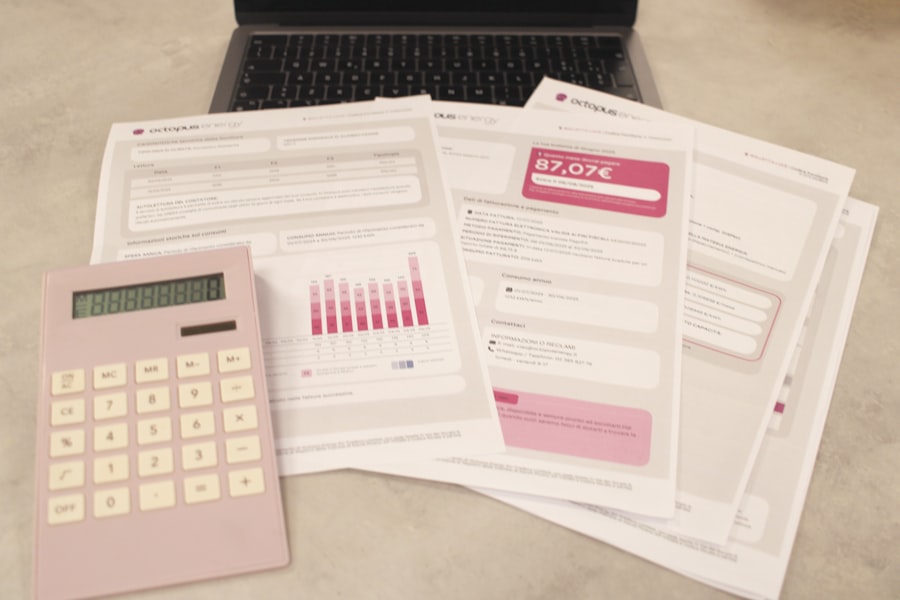
A detailed budget spreadsheet is an invaluable tool for managing your finances effectively. This document allows you to visualize your income and expenses clearly and helps you identify trends over time. To create a budget spreadsheet, start by listing all sources of income at the top of the document.
Below that, create separate sections for fixed and variable expenses. This organization will enable you to see where your money is going each month. When populating the spreadsheet with figures, be as detailed as possible.
For example, under fixed expenses, you might include rent or mortgage payments, car payments, insurance premiums, and utility bills. In the variable expenses section, break down categories such as groceries, dining out, entertainment, and personal care. By doing so, you can pinpoint areas where you may be overspending or where adjustments can be made.
Additionally, consider using formulas within the spreadsheet to automatically calculate totals and track your progress against your financial goals.
Identifying Areas for Cost Cutting
Identifying areas for cost-cutting is a critical step in optimizing your budget and freeing up funds for savings or investments.
For instance, if you find that you are spending $300 monthly on dining out, consider reducing that amount by cooking at home more often or seeking out less expensive dining options.
Small changes can lead to significant savings over time. Another area to explore is subscription services. Many individuals subscribe to multiple streaming services or gym memberships that they may not fully utilize.
By evaluating these subscriptions and canceling those that are underused or unnecessary, you can reclaim additional funds each month. Additionally, consider negotiating bills such as insurance premiums or phone plans; many companies are willing to offer discounts or better rates to retain customers. By actively seeking out cost-cutting opportunities in various areas of your budget, you can create more financial flexibility.
Allocating Funds for Savings and Investments
| Category | Planned Amount | Actual Amount | Difference | Notes |
|---|---|---|---|---|
| Housing | 1200 | 1150 | +50 | Under budget due to lower utilities |
| Food | 400 | 450 | -50 | Extra dining out |
| Transportation | 150 | 130 | +20 | Less fuel consumption |
| Entertainment | 100 | 120 | -20 | Movie and concert tickets |
| Savings | 300 | 300 | 0 | On target |
| Utilities | 200 | 190 | +10 | Lower electricity bill |
| Miscellaneous | 100 | 80 | +20 | Fewer impulse purchases |
Once you have identified areas for cost-cutting and optimized your budget accordingly, the next step is to allocate funds for savings and investments. Establishing a savings plan is essential for building financial security and preparing for future needs. A common recommendation is to aim for saving at least 20% of your income each month.
This percentage can be adjusted based on individual circumstances; however, having a clear savings target helps instill discipline in your financial habits. In addition to savings for emergencies or short-term goals, consider allocating funds toward investments that can grow over time. Investing in stocks, bonds, mutual funds, or real estate can provide opportunities for wealth accumulation beyond traditional savings accounts.
For example, if you decide to invest $500 monthly in a diversified portfolio with an average annual return of 7%, over 20 years, this could potentially grow into over $200,000 due to the power of compound interest. By prioritizing both savings and investments in your budget allocation, you can work toward achieving long-term financial stability.
Monitoring and Adjusting Your Budget

Monitoring and adjusting your budget is an ongoing process that requires diligence and flexibility. Regularly reviewing your budget allows you to assess whether you are staying on track with your financial goals and making necessary adjustments based on changes in income or expenses. For instance, if you receive a raise at work or take on additional freelance projects that increase your income, it may be wise to revisit your budget and allocate some of that extra income toward savings or investments.
Conversely, if unexpected expenses arise—such as medical bills or car repairs—it may necessitate a temporary adjustment in spending habits. Being proactive about monitoring your budget helps prevent overspending and ensures that you remain aligned with your financial objectives. Consider setting aside time each month to review your budget spreadsheet and make any necessary changes based on your current financial situation.
Utilizing Budgeting Tools and Apps
In today’s digital age, numerous budgeting tools and apps can simplify the process of managing finances effectively. These tools often come equipped with features that allow users to track spending in real-time, categorize expenses automatically, and set financial goals with ease. Popular budgeting apps like Mint or YNAB (You Need A Budget) provide user-friendly interfaces that help individuals visualize their financial health at a glance.
For example, Mint allows users to link their bank accounts and credit cards directly to the app, automatically categorizing transactions and providing insights into spending habits. This real-time tracking can help users identify areas where they may be overspending more quickly than traditional methods like spreadsheets. Additionally, many budgeting apps offer goal-setting features that enable users to allocate funds toward specific objectives while tracking their progress over time.
By leveraging technology in budgeting practices, individuals can enhance their financial management skills significantly.
Seeking Professional Financial Advice
While self-management of finances is achievable for many individuals, there are instances where seeking professional financial advice can provide significant benefits. Financial advisors possess expertise in various areas such as investment strategies, tax planning, retirement savings, and estate planning. Engaging with a professional can help clarify complex financial situations and provide tailored recommendations based on individual circumstances.
For example, if you are unsure about how to allocate investments effectively or need guidance on retirement planning strategies that align with your long-term goals, consulting with a financial advisor can offer valuable insights. They can help create a comprehensive financial plan that considers risk tolerance and market conditions while ensuring that you remain on track toward achieving your objectives. Additionally, professional advice can be particularly beneficial during major life transitions such as marriage, divorce, or inheritance when financial decisions may become more complicated.
By understanding the intricacies of income and expenses while setting realistic goals and creating detailed budgets, individuals can take control of their financial futures. The journey toward financial stability involves continuous monitoring and adjustment of budgets while utilizing available tools and seeking professional guidance when necessary. Through these practices, individuals can cultivate healthy financial habits that lead to long-term success.
When it comes to effective monthly budget planning, utilizing the right tools can make a significant difference. For those looking to enhance their budgeting skills, you might find it helpful to explore the article on mastering your finances with Vanguard’s budget worksheet. This resource provides practical insights and templates that can streamline your budgeting process and help you achieve your financial goals.
FAQs
What is monthly budget planning?
Monthly budget planning is the process of creating a detailed financial plan that outlines expected income and expenses for a month. It helps individuals or households manage their money effectively by tracking spending, setting savings goals, and ensuring bills are paid on time.
Why is monthly budget planning important?
Monthly budget planning is important because it helps control spending, avoid debt, save for future goals, and reduce financial stress. It provides a clear picture of where money is going and helps prioritize expenses.
What are the key components of a monthly budget?
The key components of a monthly budget include income (salary, bonuses, other earnings), fixed expenses (rent, utilities, loan payments), variable expenses (groceries, entertainment, transportation), savings, and debt repayments.
How do I start creating a monthly budget?
To start creating a monthly budget, list all sources of income, track all expenses for a month, categorize expenses, set spending limits for each category, and adjust as needed to ensure expenses do not exceed income.
What tools can help with monthly budget planning?
Tools that can help include budgeting apps (like Mint, YNAB), spreadsheets, financial software, or even a simple notebook. These tools assist in tracking income and expenses and provide visual summaries.
How often should I review my monthly budget?
It is recommended to review your monthly budget at least once a month to track progress, make adjustments for unexpected expenses, and ensure financial goals are being met.
Can monthly budget planning help with saving money?
Yes, monthly budget planning helps identify unnecessary expenses and allocate funds toward savings, making it easier to build an emergency fund or save for specific goals.
What is the difference between fixed and variable expenses?
Fixed expenses are regular, consistent payments such as rent or mortgage, while variable expenses fluctuate monthly, like groceries, dining out, or entertainment.
How can I handle irregular or unexpected expenses in my budget?
To handle irregular or unexpected expenses, include a contingency or emergency fund category in your budget. Setting aside a small amount each month can help cover these costs without disrupting your overall plan.
Is it necessary to stick strictly to a monthly budget?
While strict adherence helps maintain financial discipline, budgets should be flexible enough to accommodate changes in income or expenses. The goal is to manage money responsibly, not to create stress.