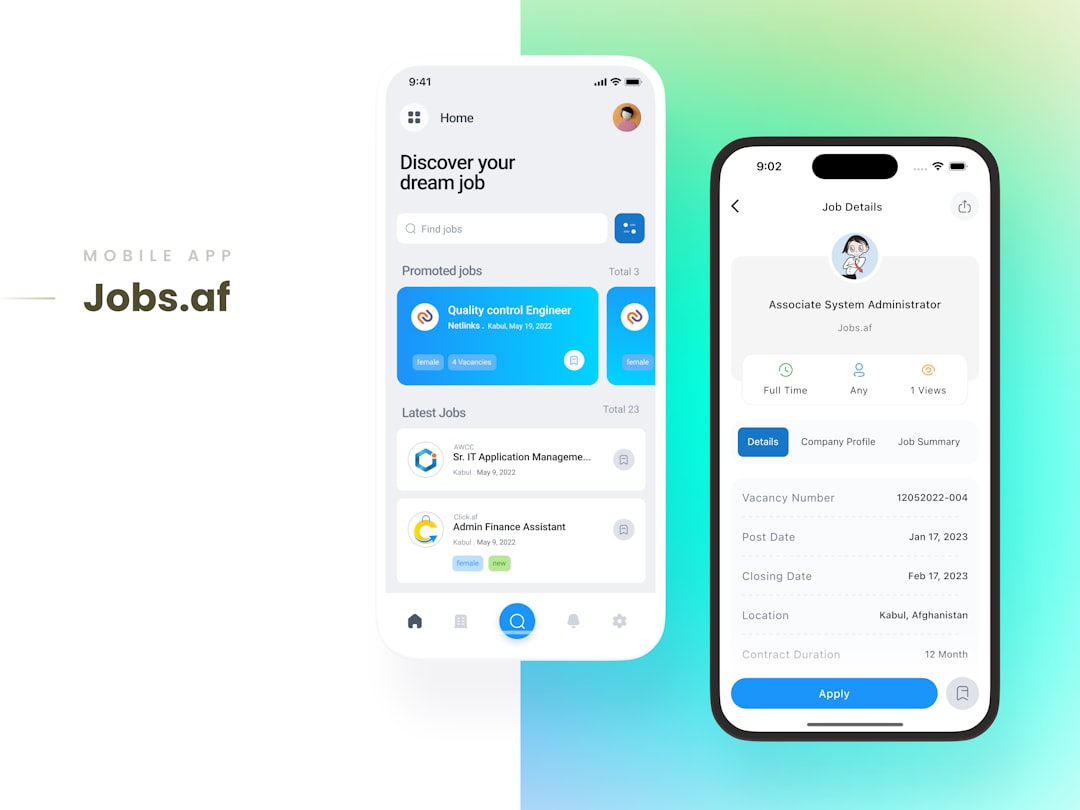
In recent years, the proliferation of smartphones has led to the emergence of various money-saving apps designed to help users manage their finances more effectively. These applications offer a range of features, from tracking expenses to providing discounts and cashback on purchases. As consumers increasingly seek ways to stretch their budgets, money-saving apps have become essential tools for many individuals and families. They not only simplify the process of budgeting but also encourage users to make more informed financial decisions.
The appeal of money-saving apps lies in their accessibility and user-friendly interfaces. With just a few taps on a smartphone, users can access a wealth of information about their spending habits, receive personalized recommendations, and discover deals tailored to their preferences. As the financial landscape continues to evolve, these apps are becoming integral to personal finance management, allowing users to take control of their spending and savings in a digital age.
If you’re interested in maximizing your savings through innovative technology, you might find this article on the benefits of using savings apps particularly insightful. It explores various features that can help you manage your finances more effectively and reach your savings goals faster. You can read more about it here: Every Dollar Counts: How Savings Apps Can Transform Your Financial Future.
Key Takeaways
- Money-saving apps help users cut costs on groceries, online shopping, travel, and entertainment.
- Choosing the right app depends on your spending habits and the types of purchases you make.
- Effective use of these apps involves regularly checking deals, stacking discounts, and tracking savings.
- Cashback apps can significantly boost savings when used strategically alongside other offers.
- Maximizing benefits requires consistent app usage and staying informed about new deals and features.
How to Choose the Best Money-Saving App for You
Selecting the right money-saving app can be a daunting task given the multitude of options available. To make an informed choice, it is essential to consider your specific financial goals and habits. For instance, if you are primarily focused on grocery shopping, an app that specializes in food discounts and cashback offers may be more beneficial than one that targets general budgeting. Identifying your priorities will help narrow down the options and ensure that the app you choose aligns with your needs.
Another important factor to consider is the app’s features and usability. Some apps offer comprehensive budgeting tools, while others focus solely on cashback or discounts. It is advisable to explore user reviews and ratings to gauge the effectiveness and reliability of each app. Additionally, consider whether the app integrates with your existing financial accounts or if it requires manual input of expenses. A seamless user experience can significantly enhance your ability to track savings and manage finances effectively.
Tips for Using Money-Saving Apps Effectively

To maximize the benefits of money-saving apps, users should adopt certain strategies that enhance their effectiveness. First, regularly updating your spending habits within the app is crucial. Many apps allow users to categorize expenses, set budgets, and track progress over time. By consistently inputting data and reviewing your financial activity, you can gain valuable insights into your spending patterns and identify areas where you can cut costs.
Moreover, taking advantage of notifications and alerts can further optimize your savings efforts. Many money-saving apps offer features that notify users of upcoming bills, special promotions, or price drops on items they frequently purchase. By enabling these notifications, you can stay informed about opportunities to save money and avoid late fees or unnecessary expenses. Engaging with the app regularly will help reinforce positive financial habits and keep your savings goals on track.
The Top Money-Saving Apps for Grocery Shopping

Grocery shopping is often one of the most significant monthly expenses for households, making it a prime area for savings. Several money-saving apps cater specifically to this need by offering discounts, coupons, and cashback opportunities. One popular option is Ibotta, which allows users to earn cashback on grocery purchases by scanning receipts and selecting offers before shopping. This app has gained traction due to its user-friendly interface and extensive list of participating retailers.
Another noteworthy app is Fetch Rewards, which rewards users for scanning grocery receipts from any store. Users accumulate points that can be redeemed for gift cards to popular retailers. This app stands out for its simplicity; there are no specific offers to select beforehand, making it easy for users to earn rewards on everyday purchases. By utilizing these grocery-focused apps, consumers can significantly reduce their food expenses while enjoying a more streamlined shopping experience.
If you’re looking to enhance your financial management, consider exploring a related article that discusses how to link your bank account to the best personal finance app. This can streamline your budgeting and savings efforts, making it easier to track your spending and reach your financial goals. For more insights on this topic, check out the article valapoint.
com/link-your-bank-account-to-the-best-personal-finance-app/’>here.
Money-Saving Apps for Online Shopping
| Metric | Description | Example Value | Unit |
|---|---|---|---|
| Monthly Active Users (MAU) | Number of users actively using the app each month | 150,000 | Users |
| Average Savings per User | Average amount saved by each user per month | 120 | Currency Units |
| Retention Rate | Percentage of users who continue using the app after 3 months | 65 | % |
| Conversion Rate | Percentage of users who upgrade to premium features | 12 | % |
| Average Session Duration | Average time spent in the app per session | 8 | Minutes |
| Number of Savings Goals Created | Total savings goals set by users | 45,000 | Goals |
| App Store Rating | Average user rating on app stores | 4.5 | Stars |
The rise of e-commerce has transformed the way consumers shop, but it has also created opportunities for savings through various online shopping apps. Honey is one such app that automatically finds and applies coupon codes at checkout for numerous online retailers. This browser extension simplifies the process of searching for discounts, ensuring that users get the best possible price without extensive effort.
Another effective tool is Rakuten, which offers cashback on purchases made through its platform at a wide range of online stores. Users can earn a percentage of their spending back simply by clicking through Rakuten before making a purchase. This app not only provides savings but also allows users to accumulate cashback over time, which can be withdrawn via check or PayPal. By leveraging these online shopping apps, consumers can enhance their shopping experience while keeping their budgets in check.
If you’re looking to enhance your financial management skills, you might find it helpful to explore a related article that discusses the best personal finance apps as recommended by users on Reddit. This resource offers valuable insights into various savings apps that can help you track your expenses and grow your savings effectively. For more information, check out this article on the best personal finance app on Reddit at best personal finance app on Reddit.
Money-Saving Apps for Travel and Entertainment
Traveling and entertainment expenses can quickly add up, making it essential for budget-conscious individuals to seek ways to save in these areas. Apps like Skyscanner are invaluable for finding the best deals on flights and accommodations. By comparing prices across various airlines and booking platforms, users can identify the most cost-effective options for their travel plans.
For entertainment savings, apps such as Groupon offer discounts on local activities, dining experiences, and events. Users can browse through a variety of deals tailored to their location, allowing them to enjoy outings without overspending. Additionally, travel-specific apps like Hopper provide insights into flight price trends, helping users determine the best time to book their trips for maximum savings. By utilizing these travel and entertainment apps, individuals can enjoy experiences without compromising their financial goals.
How to Maximize Your Savings with Cashback Apps
Cashback apps have gained popularity as an effective way to earn money back on everyday purchases. To maximize savings with these apps, it is essential to understand how they work and strategically incorporate them into your shopping routine. First, familiarize yourself with the specific offers available on each app before making purchases. Many cashback apps feature rotating offers that change frequently; staying informed about these deals can lead to significant savings over time.
Additionally, combining cashback offers with sales or discounts can amplify your savings potential. For instance, if an item is on sale at a retailer that also partners with a cashback app, you can benefit from both the reduced price and the cashback incentive. Furthermore, consider using multiple cashback apps simultaneously; some retailers may be featured on more than one platform, allowing you to maximize your returns on a single purchase.
Making the Most of Money-Saving Apps
In conclusion, money-saving apps have become essential tools for individuals looking to manage their finances more effectively in today’s digital landscape. By understanding how to choose the right app for your needs and employing strategies for effective use, you can significantly enhance your savings potential across various spending categories. Whether you are focused on grocery shopping, online purchases, or travel expenses, there are specialized apps available to help you achieve your financial goals.
As technology continues to evolve, staying informed about new features and emerging apps will further empower consumers in their quest for savings. By integrating these tools into your daily routine and remaining proactive about tracking expenses and seeking out deals, you can make the most of money-saving apps and improve your overall financial well-being.
FAQs
What is a savings app?
A savings app is a mobile application designed to help users save money by automating savings, tracking expenses, and providing budgeting tools. These apps often link to your bank account to monitor spending and set aside funds for savings goals.
How do savings apps work?
Savings apps typically work by analyzing your spending habits and automatically transferring small amounts of money from your checking account to a savings account. Some apps round up purchases to the nearest dollar and save the difference, while others allow you to set specific savings goals and schedules.
Are savings apps safe to use?
Most reputable savings apps use bank-level encryption and security measures to protect your personal and financial information. It is important to choose apps that are FDIC-insured or partner with insured banks and to review their privacy policies before use.
Can savings apps help with budgeting?
Yes, many savings apps include budgeting features that categorize your expenses, track your spending patterns, and provide insights to help you manage your finances better. This can assist in identifying areas where you can cut costs and increase your savings.
Are there any fees associated with savings apps?
Some savings apps are free to use, while others may charge monthly subscription fees or take a small percentage of the amount saved. It is important to review the app’s fee structure before signing up to understand any potential costs.