In the digital era, managing finances has evolved significantly, thanks to the advent of money saver app. These innovative tools are designed to help individuals and small businesses streamline their financial management processes. A savings app can automate budgeting, track expenses, and provide personalized financial insights, making it easier for users to achieve their financial goals.
One of the primary benefits of using a savings app is the convenience it offers. With everything accessible from your smartphone, you can manage your finances on the go, without the need for complex spreadsheets or manual calculations. This level of accessibility ensures that you can stay on top of your financial health no matter where you are.
Furthermore, savings apps are equipped with advanced algorithms that analyze your spending habits and offer tailored advice. This personalized approach helps users identify areas where they can cut costs and save more efficiently. By providing real-time updates and notifications, these apps keep you informed about your financial status, enabling you to make better decisions.
Another significant advantage is the transparency and security that savings apps provide. Most reputable apps use robust encryption methods to protect your data, ensuring that your financial information remains safe and secure. This level of trustworthiness is paramount in building confidence among users.
Ready to take control of your finances and experience effortless savings? Download Vala today and start managing your budget with ease!
Benefits Of Using A Savings App

Using a savings app offers a multitude of benefits that can significantly enhance your financial well-being. One of the most compelling advantages is the ability to automate your savings. By setting up automatic transfers to your savings account, you can ensure that you are consistently putting money aside without having to think about it. This automation helps to build a disciplined savings habit, which is crucial for long-term financial success.
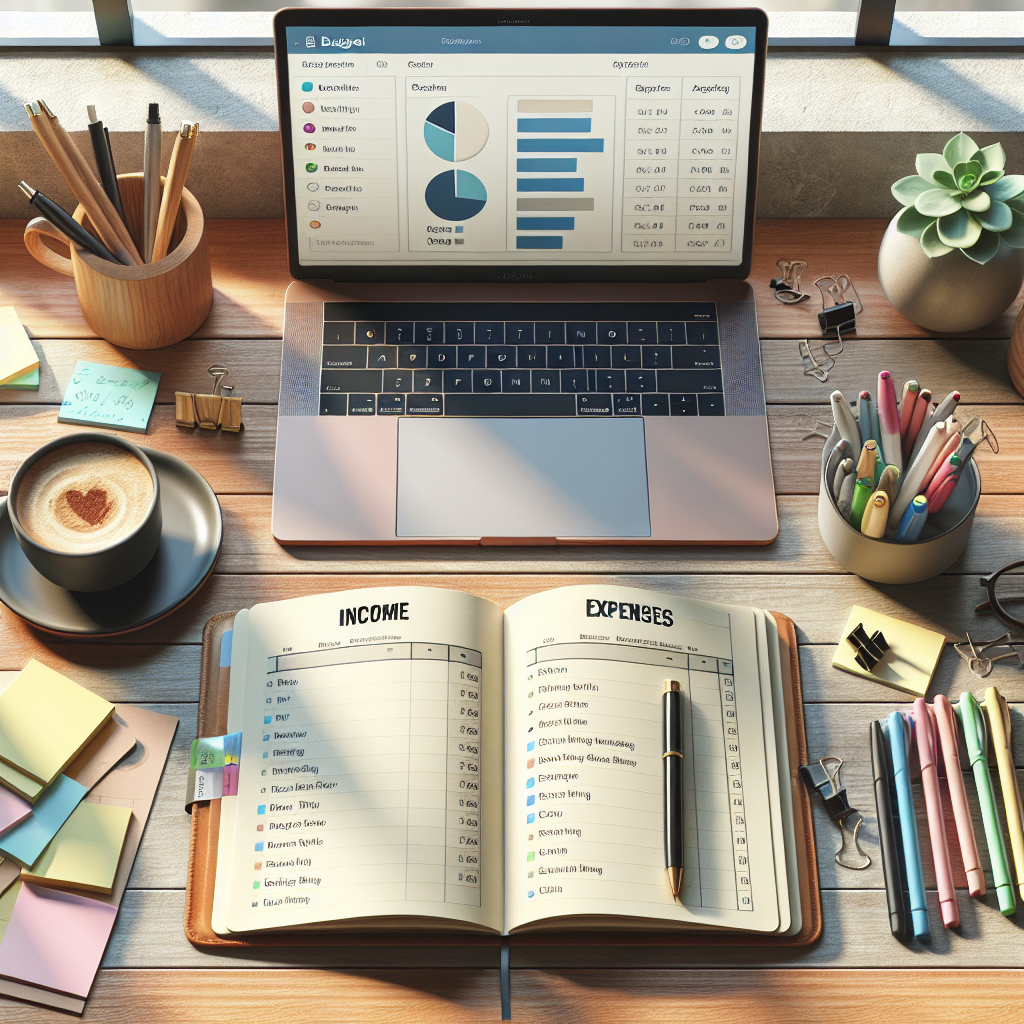
Another major benefit is the comprehensive expense tracking that savings apps provide. These apps categorize your spending, giving you a clear picture of where your money is going. With detailed reports and visual charts, you can easily identify spending patterns and make informed decisions to adjust your budget. This level of insight is invaluable for anyone looking to optimize their financial management.
Savings apps also offer personalized financial advice based on your spending and saving habits. By analyzing your financial data, these apps can provide tailored recommendations to help you achieve your financial goals more efficiently. Whether you’re saving for a vacation, a new car, or an emergency fund, a savings app can guide you on the best path to reach your target.
Additionally, many savings apps come with integrated goal-setting features. You can set specific financial goals and track your progress in real-time. This not only keeps you motivated but also provides a sense of accomplishment as you see your savings grow. The gamification elements in some apps, such as earning badges or rewards for meeting milestones, add an extra layer of engagement and fun to the process.
Lastly, the security and transparency offered by savings apps cannot be overstated. With advanced encryption and secure login methods, these apps ensure that your financial data is protected. Moreover, the transparency in transaction tracking helps you stay vigilant against any unauthorized activities, giving you peace of mind.
Features To Look For In A Savings App

When choosing a savings app, it’s essential to look for features that will maximize your financial management experience. One of the most critical features is automation. The app should allow you to set up automatic transfers to your savings account, ensuring that you consistently save without manual intervention. Automation helps in building a disciplined saving habit, which is vital for financial growth.
Another important feature is expense tracking. A good savings app should categorize your expenses and provide detailed reports on your spending patterns. This feature helps you identify areas where you can cut back, making it easier to stick to your budget. Look for apps that offer visual aids like charts and graphs to make the data easier to understand and analyze.
Personalized financial advice is another feature to consider. The best savings apps analyze your financial behavior and offer tailored recommendations to help you reach your financial goals. Whether it’s advice on reducing expenses or suggestions for investment opportunities, personalized tips can make a significant difference in your financial journey.
Goal-setting capabilities are also crucial. A robust savings app should allow you to set specific financial goals and track your progress in real-time. This feature not only keeps you motivated but also provides a sense of accomplishment as you see your savings grow. Some apps even include gamification elements, such as earning rewards or badges for meeting milestones, which can make saving money more engaging and enjoyable.
Security is another paramount feature. Ensure that the app uses advanced encryption and secure login methods to protect your sensitive financial data. Transparency in transaction tracking is also essential, as it helps you stay vigilant against any unauthorized activities, thereby offering peace of mind.
Lastly, consider the app’s user interface and ease of use. A user-friendly design makes it easy to navigate through various features, ensuring that you can manage your finances efficiently without any hassle. Look for apps that offer intuitive layouts and clear instructions, making financial management a seamless experience.
How Savings Apps Simplify Budgeting

Budgeting can often feel like a daunting task, but savings apps are designed to simplify this process, making it more accessible and less stressful. One of the primary ways these apps achieve this is through real-time expense tracking. By linking your bank accounts and credit cards to the app, you can automatically track every transaction. This eliminates the need for manual entry, ensuring that your budget is always up-to-date and accurate.
Another way savings apps simplify budgeting is through categorization of expenses. These apps automatically categorize your spending into various buckets like groceries, utilities, entertainment, and more. This detailed breakdown helps you see exactly where your money is going, making it easier to identify areas where you can cut back and save more.
Most savings apps also offer customizable budgeting tools. You can set spending limits for different categories and receive alerts when you’re nearing or exceeding those limits. This proactive approach helps you stay within your budget, preventing overspending and encouraging more mindful financial habits.
Another powerful feature is the ability to set financial goals. Whether you’re saving for a vacation, a new car, or an emergency fund, savings apps allow you to create specific goals and track your progress. This feature not only keeps you motivated but also provides a visual representation of how close you are to achieving your financial aspirations.
Additionally, savings apps often include integrated bill reminders. These reminders ensure that you never miss a payment, helping you avoid late fees and additional interest charges. By keeping track of your bills and due dates, the app makes it easier to manage your cash flow and maintain a balanced budget.
Finally, many savings apps offer data analysis and insights. They analyze your spending patterns and provide personalized tips on how to improve your financial health. These insights can be incredibly valuable, offering practical advice on how to reduce expenses, increase savings, and make smarter financial decisions.
Overall, savings apps take the complexity out of budgeting, making it a more straightforward and manageable task. By providing real-time tracking, expense categorization, customizable tools, and insightful advice, these apps empower you to take control of your finances with confidence.
Real-Life Success Stories With Savings Apps

There’s no better way to understand the impact of savings apps than by hearing from those who have experienced success firsthand. These real-life stories highlight how individuals and small businesses have transformed their financial situations using these powerful tools.
Take Sarah, a young professional struggling with student loan debt and living paycheck to paycheck. After downloading a savings app, she began to track her expenses meticulously. The app’s expense categorization feature helped her realize she was spending too much on dining out and entertainment. By setting budget limits and receiving alerts when she was close to exceeding them, Sarah managed to cut her discretionary spending by 30%. Within a year, she had saved enough to pay off a significant portion of her student loans and build an emergency fund.
Then there’s John and Lisa, a couple who wanted to save for their first home. They used a savings app to set a clear financial goal and track their progress. The app’s goal-setting feature allowed them to visualize their savings growth, keeping them motivated. By analyzing their spending patterns, they identified areas where they could cut back, such as reducing subscription services and limiting impulse purchases. In just two years, John and Lisa saved enough for a down payment and successfully purchased their dream home.
Small business owners have also found immense value in savings apps. Take Raj, the owner of a local bakery. Managing finances was challenging, especially with fluctuating monthly expenses. By integrating a savings app with his business accounts, Raj gained real-time insights into his cash flow. The app’s budgeting tools helped him allocate funds more efficiently, ensuring that he always had enough to cover operational costs. Additionally, the app’s bill reminder feature prevented late payments, saving Raj from unnecessary fees. Today, his bakery is thriving, and he credits much of his financial stability to the app.
Another compelling story is that of Emily, a freelance graphic designer. Freelancers often face irregular income, making budgeting particularly tricky. Emily used a savings app to smooth out her finances. By setting aside a portion of each payment into different savings goals, she managed to stabilize her income. The app’s customizable budgeting toolsallowed her to prepare for slower months, ensuring she never dipped into her emergency fund. Emily’s financial anxiety diminished, and she could focus more on growing her business.
These stories illustrate the transformative power of savings apps. Whether it’s paying off debt, saving for a significant purchase, or stabilizing a small business, these tools provide the structure and insights needed to achieve financial success. By leveraging the features of savings apps, individuals and businesses alike can turn their financial dreams into reality.
Tips For Choosing The Right Savings App
Choosing the right savings app can make a significant difference in achieving your financial goals. With numerous options available, it’s essential to select an app that best suits your needs. Here are some tips to help you make an informed decision:
1. Identify Your Financial Goals: Before selecting a savings app, it’s crucial to understand what you aim to achieve. Are you looking to pay off debt, save for a big purchase, or manage a small business’s finances? Different apps offer various features tailored to specific goals.
2. Check for User-Friendly Interface: An intuitive and easy-to-navigate interface can make a big difference in how effectively you use the app. Look for apps with clear dashboards, simple navigation, and quick access to essential features.
3. Look for Customizable Budgeting Tools: Customization is key when it comes to budgeting. Choose an app that allows you to tailor budget categories, set personalized savings goals, and adjust settings according to your financial habits.
4. Ensure Robust Security Features: Since your financial data will be stored within the app, it’s vital to choose one with strong security measures. Look for apps that offer encryption, two-factor authentication, and other security protocols to protect your information.
5. Consider Integration Capabilities: To streamline your financial management, choose an app that integrates seamlessly with your bank accounts, credit cards, and other financial tools. This will provide a comprehensive view of your finances in one place.
6. Read Reviews and Testimonials: User reviews and testimonials can offer valuable insights into an app’s performance. Look for feedback on user experience, customer service, and the effectiveness of the app’s features.
7. Evaluate Cost vs. Features: While some savings apps are free, others come with a subscription fee. Assess whether the cost is justified by the features and benefits offered. Sometimes, a paid app can save you more money in the long run by providing advanced tools.
By considering these tips, you can find a savings app that aligns with your financial objectives and makes managing your money more efficient and enjoyable. Ready to take control of your finances and experience effortless savings? Download Vala today and start managing your budget with ease!