
What group budget awareness actually does for shared finances
Group budget awareness is the practice of maintaining clear, shared visibility into income, expenses, and budget goals among multiple people. Think of it as a financial dashboard everyone on the team can see, not just the person who pays the bills.
Here is why it matters structurally, not just socially:
- Reduces budgetary slack. Research shows that groups receiving both individual and group performance feedback create less slack and perform better than groups with only group-level feedback.
- Builds collective responsibility. When everyone sees the numbers, everyone owns the outcome.
- Prevents coordination failures. Shared visibility stops duplicate spending and missed contributions before they compound.
- Improves financial well-being. Households with written budgets score measurably higher on financial well-being than those without one, across every income level.
- Reduces conflict. Shared budgeting promotes easier money conversations and lowers financial anxiety compared to untracked spending.
Why group financial awareness prevents the problems most groups ignore
Money conflicts in groups rarely start with a big purchase. They start with small, invisible drift. One person orders takeout four nights a week. Another quietly upgrades the shared streaming plan. Nobody says anything until the numbers stop working.

Group financial awareness interrupts that pattern early. Budget tracking reduces eating-out expenses within a relatively short period, not because people consciously cut back, but because visibility alone changes behavior.
The importance of budget awareness goes beyond savings:
- Prevents lifestyle creep. Shared tracking surfaces spending drift before it becomes a habit.
- Supports emergency savings. Budgeting households are more likely to build emergency funds and pay credit card balances in full.
- Reduces financial anxiety. Knowing exactly where shared money goes removes the stress of not knowing.
- Builds trust. Transparent budgets give every group member a shared reference point, so disagreements become “let’s adjust this category” rather than personal accusations.
- Enables planning. Forward visibility into next month’s finances lets groups make confident decisions together.
“Loud budgeting,” a trend that encourages open conversations about spending limits, has shown that group financial openness reduces peer pressure and helps families and friend groups get comfortable discussing money.
How to improve budget awareness across your group
Improving group financial awareness does not require a finance degree. It requires structure, consistency, and the right tools.
- Use a shared tracking app. Automated expense tracking maintains budget awareness without requiring constant manual effort from every member.
- Hold regular budget check-ins. A monthly 20-minute review catches drift before it becomes a problem.
- Share both individual and group data. Research confirms that combining individual and group feedback reduces slack more than group feedback alone.
- Set group-centric goals. Goals that tie individual success to group outcomes activate cooperation and reduce dishonest reporting. Purely egocentric goals work against the group.
- Automate recurring expenses. Automation removes the friction of manual tracking and keeps records accurate in real time.
Pro Tip: Build incentive structures that feel fair to everyone. When one person benefits more from hitting a goal than others, inequity aversion kicks in and honest reporting drops. Equal stakes produce more honest budgets.
Groups with variable income contributions benefit especially from flexible tracking tools that adjust as earnings shift week to week.
What behavioral research tells us about budgeting in groups
The research on group budgeting is specific and worth knowing.
| Research finding | What it shows |
|---|---|
| Combined individual + group feedback | Reduces budgetary slack and raises group performance vs. group-only feedback |
| High task interdependence | Increases slack13008-6) unless offset by information symmetry and shared controls |
| Strategic budgeting with pooled funds | Groups spent less excess15001-7) than traditional budgeting groups when mutual approvals were required |
| Groupcentric individual goals | Outperform egocentric goals by activating pro-social norms within the group |
| Equitable incentive structures | Reduce dishonest budget submissions and increase manager reliance on reported figures |
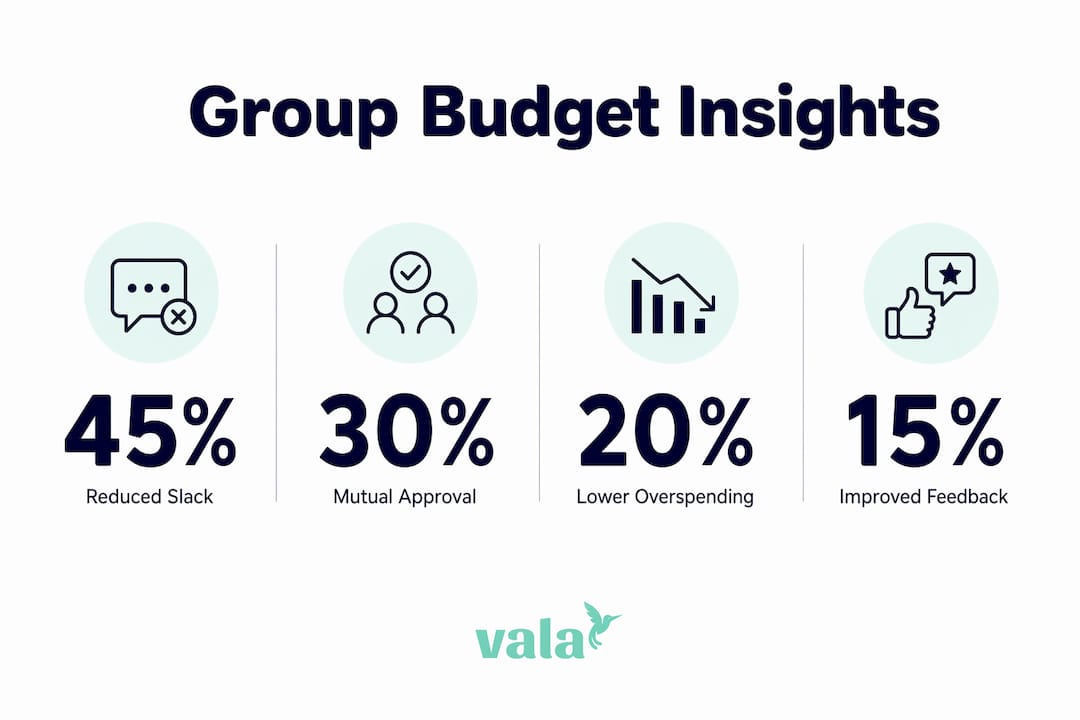
The pooled-fund finding is particularly useful. When group members must seek approval from each other to spend unbudgeted money, overspending drops sharply. Accountability is structural, not personal.
Statistic callout: Groups using strategic budgeting with mutual approval controls spent less of a budget excess15001-7) than those using traditional budgeting formats, with results described as “overwhelming” by researchers.
A practical checklist for maintaining group budget awareness
Sustaining group financial awareness over time takes consistency. Here is what works:
- Set a shared budget at the start of each month. Pre-commitment removes the mental cost of every individual spending decision.
- Assign clear categories. Categories surface what totals hide. A group spending $4,000 a month looks fine until you see $400 going to dining out.
- Review actual vs. planned spending monthly. Catching a $50 overage early prevents a $500 problem later.
- Use digital tools for real-time tracking. Manual spreadsheets lag; apps update instantly and flag issues automatically.
- Address lifestyle creep directly. Name it in your review meetings. Silent drift is the most common budget killer in long-term groups.
- Rotate who leads the budget review. Shared ownership prevents one person from carrying all the financial stress.
Pro Tip: Align your group’s incentives with shared goals, not individual ones. When everyone benefits from hitting the savings target, everyone has a reason to report honestly and spend carefully.
What successful group budget awareness looks like in practice
Couples who budget together consistently report that disagreements shift from “you spend too much” to “let’s adjust this category.” That shift is not minor. It moves the conversation from blame to problem-solving, which is exactly what shared visibility enables.
Families using shared tracking apps find that what is a shared budget becomes a living document rather than a one-time plan. They revisit it when income changes, when a new expense appears, or when a savings goal gets closer.
Roommate groups that implement mutual approval for shared expenses, similar to the strategic budgeting model in the research, report fewer end-of-month surprises and faster resolution of cost disputes. The structure does the work that conversations alone cannot.
Valapoint makes group budget tracking clear and simple
Tracking shared finances gets complicated fast. Valapoint’s app gives individuals, couples, and groups one place to see every expense, split costs fairly, and catch spending patterns before they become problems.
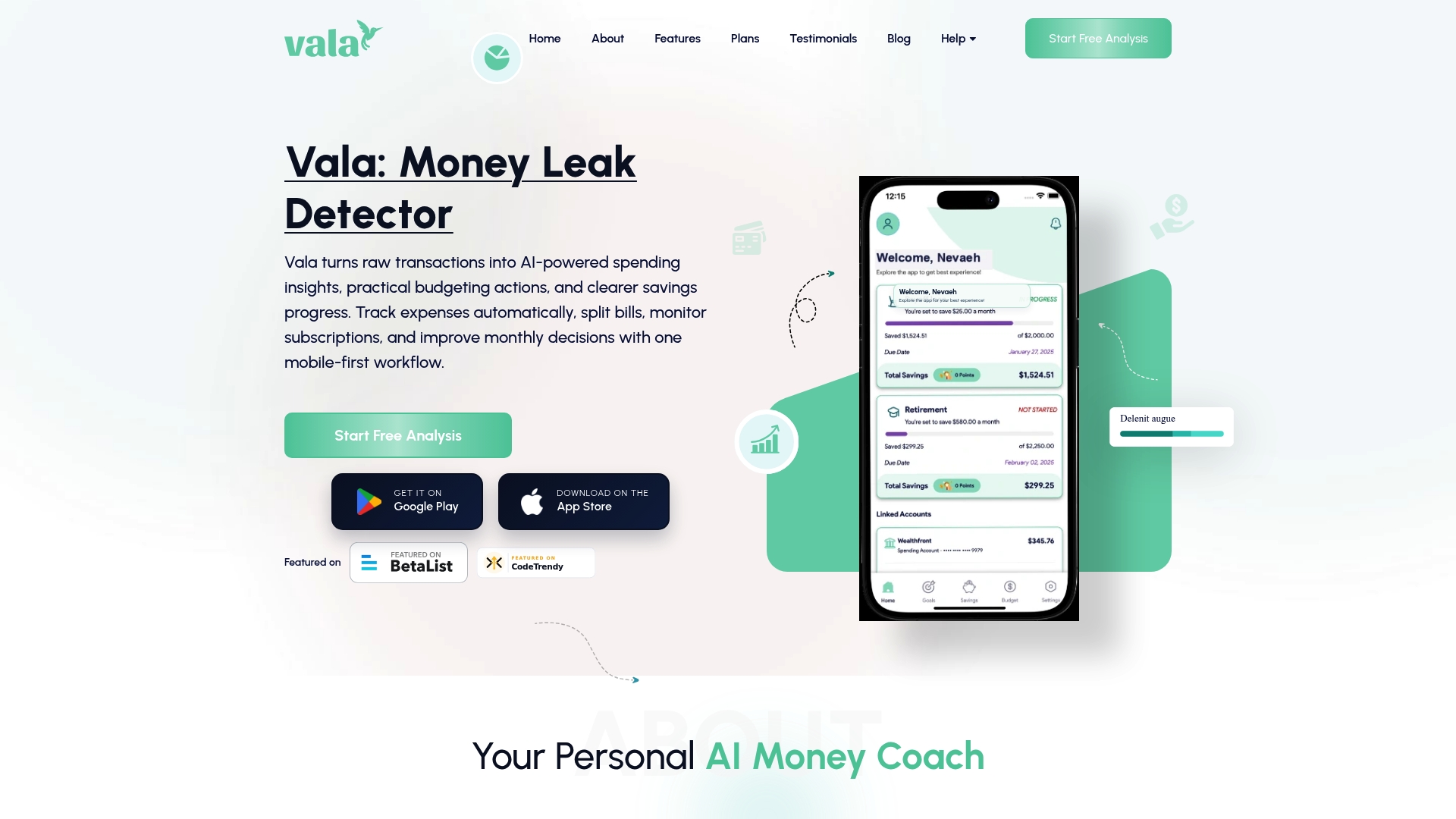
With Valapoint, you get real-time expense tracking, automated categorization, and shared budget visibility built for how modern groups actually manage money. No more end-of-month surprises. No more “who paid for what” confusion. Just a clear picture of where your money goes and how close you are to your goals.
Start tracking your shared finances with the Valapoint budget tracking app today, or explore the full personal finance tools suite to find the right fit for your group.
Key Takeaways
Groups with shared budget visibility consistently achieve better financial outcomes than those managing money in silos, with research confirming that combined individual and group feedback reduces slack and raises performance.
| Point | Details |
|---|---|
| Shared visibility reduces slack | Combined individual and group feedback cuts budgetary slack more than group-only feedback. |
| Tracking changes behavior | Budget tracking reduces eating-out expenses by 15–25% within two months through visibility alone. |
| Mutual approval controls overspending | Groups using pooled funds with approval requirements spent less excess than traditional budgeting groups. |
| Group-centric goals outperform individual ones | Goals tied to group outcomes activate cooperation and reduce dishonest budget reporting. |
| Valapoint supports group tracking | Valapoint’s app gives groups real-time expense visibility, cost splitting, and shared budget management in one place. |