
Bank account aggregation consolidates balances and transactions from multiple financial accounts into a single view, so you can manage your money without logging into five different apps. The real benefit is clarity: one dashboard instead of a dozen tabs. The main thing to get right is how your accounts connect, since apps using tokenized APIs keep you safer than older screen-scraping methods that require handing over your actual bank password.
TL;DR:
- Tokenized API connections now handle roughly two-thirds of financial data traffic in North America, offering enhanced security over screen scraping.
- Using least-privilege permissions, setting time limits, and regularly reviewing connected apps help maintain control over data sharing.
- Aggregation may lag behind real-time balances and transaction categorization, so always verify data against your bank statement before making decisions.
- Future industry trends point toward standardized permission controls, faster revocations, and greater transparency about data monetization practices.
- Choosing apps with tokenized access, independent security certifications, and clear consent management features ensures safer and more transparent data sharing.
Table of Contents
- What Bank Account Aggregation Actually Is
- Security, Privacy, and the Consent Controls You Should Use
- Who Actually Benefits From Aggregating Accounts
- How to Connect and Verify Your Aggregated Accounts
- What to Look for in an Aggregation App or Service
- Where the Rules and the Technology Are Heading
- A Privacy-First Way to See All Your Money in One Place
- An Honest Read on Where Aggregation Is Headed
- Sources
- FAQ
What Bank Account Aggregation Actually Is
At its core, aggregation pulls data from checking, savings, credit card, and investment accounts into one place. Three players make this happen: the aggregator (the app you use), the account data holder (your bank), and you, the account data user granting permission.
There are two ways this connection gets built, and the difference matters more than most people realize.
- Screen scraping logs into your bank using your actual username and password, then reads the page like a browser would. It works, but it means a third party is holding your real credentials, and any change to your bank’s website can break the connection.
- Tokenized API connections skip your password entirely. Your bank issues a limited-scope token to the app instead, and that token can be revoked anytime without changing your bank login.
This is why the Financial Data Exchange (FDX) has pushed the industry toward API-first standards built around control, transparency, and traceability. It’s working: token-based methods now handle roughly two-thirds of user-permissioned financial data traffic in North America. A typical connection flow looks like this: you select your bank, you’re redirected to log in directly on your bank’s own site (never inside the aggregator app), your bank issues a token scoped to read-only data, and the aggregator receives updates without ever seeing your password.
Security, Privacy, and the Consent Controls You Should Use
Tokenized API access means the app you’re using never stores your actual bank password. Instead, it holds a token with a defined scope, and that token can be shut off centrally without you having to change your login anywhere. This is a meaningful upgrade from the credential-sharing model, and it’s a big reason regulators and industry stakeholders have pushed so hard toward it.
A few habits keep you in control:
- Grant least-privilege access. If an app only needs transaction history, don’t approve access to investment accounts you don’t plan to track there.
- Favor read-only connections. You should never need to give an aggregator the ability to move money or make changes.
- Set time limits when offered. Some banks let you approve access for a defined window rather than indefinitely.
- Check your bank’s “Connected Apps” dashboard regularly. Most major banks now list every third-party app with access, and you can revoke permissions there directly, without contacting the app itself.
- Report anything unfamiliar immediately. If you spot an app you don’t recognize or a transaction that looks off, dispute it with your bank the same way you would any suspicious charge.
Pro Tip: Check both sides when revoking access. Turn it off in the aggregator app’s settings, then confirm it’s also gone from your bank’s connected-apps page. Both records need to clear before the connection is truly dead.
Who Actually Benefits From Aggregating Accounts
For everyday budgeting, aggregation turns guesswork into a real picture. You can see your total net worth, catch a subscription you forgot about, and track spending across every card in one place instead of piecing it together from memory.
- Individuals and couples get a shared view of household finances without merging accounts or emailing spreadsheets back and forth.
- Financial advisors use aggregation for householding: pulling a client’s full financial picture, including accounts held elsewhere, into one consolidated report for better planning.
- Freelancers and small business owners use it to separate personal and business cash flow at a glance.
It isn’t flawless. Vanguard notes that aggregated data can lag behind real-time balances, and some transactions arrive late or get miscategorized. Treat the dashboard as a strong starting point, not a substitute for checking your actual bank statement before big decisions.
How to Connect and Verify Your Aggregated Accounts
Before you link anything, run through a short checklist. A legitimate app should ask only for what it needs: read access to balances and transactions, not the ability to initiate transfers.
- Confirm the connection method. Look for language about “secure API connection” or “tokenized access” rather than a plain login form asking for your bank password.
- Select your bank and authenticate directly on your bank’s site. You should be redirected away from the aggregator app for this step, not typing credentials into it.
- Review the requested scope before approving. Uncheck any account categories you don’t want shared.
- Reconcile your data within the first week. Compare your most recent bank statement against the app’s balance, then sample transactions across a 30 to 90 day window to check for missing or duplicated entries.
- If something looks wrong, act fast. A stalled sync usually means the connection needs to be refreshed. An unexpected charge means it’s time to contact your bank directly, not just the app.
For a deeper walkthrough of secure linking methods, Vala’s guide on connecting multiple bank accounts covers the setup process step by step.
What to Look for in an Aggregation App or Service
Not every app handling your financial data is built the same way. A few criteria separate the trustworthy options from the risky ones.
- Connection method: Does it use tokenized API access, or does it still rely on screen scraping and password storage?
- Third-party attestations: Look for SOC 2 or similar independent security certifications, not just marketing claims.
- Data scope and history: Twenty-four months of transaction history is a reasonable baseline for meaningful budgeting or advisor reporting.
- Consent transparency: Can you see, in plain language, exactly which accounts and data types you’ve approved, and revoke them from a single dashboard?
- Data monetization policy: Does the provider sell or share your data for advertising, or is it used solely to power the features you signed up for?
The scale here is enormous. The CFPB estimated that by 2022, at least 100 million consumers had authorized third-party account access, with access instances running into the trillions. That volume is exactly why consent transparency and read-only defaults matter more than any single feature comparison.
Where the Rules and the Technology Are Heading
The direction is clear: less password sharing, more standardized permission controls. FDX’s push toward API-first infrastructure isn’t just a technical preference. It’s rebuilding how consent gets granted and revoked across the entire industry, with UX guidelines aimed at giving you a single-pane view to manage permissions across every provider you’ve connected.
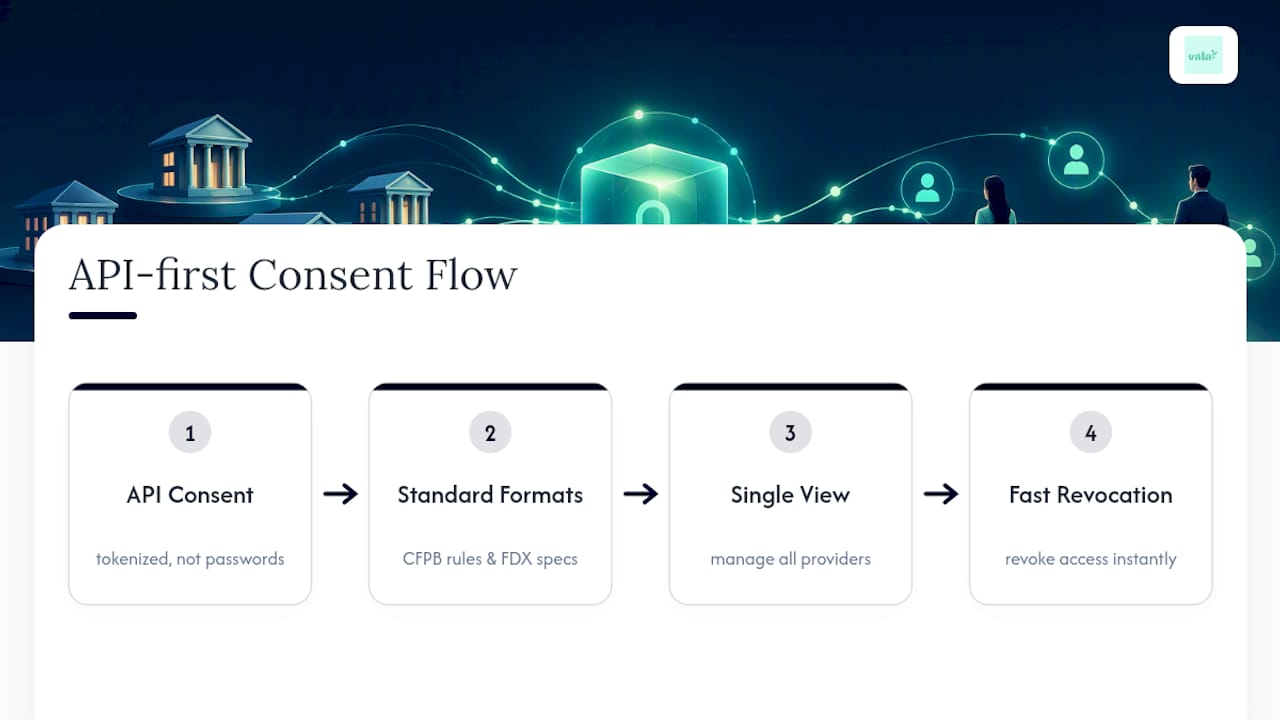
Regulation is catching up too. The CFPB’s final rule on personal financial data rights sets standardized formats and holds third-party apps accountable for how they handle your data, even when an aggregator handles the technical authorization steps. Stakeholders broadly support this shift, though the debate over exactly which data types should be shareable is far from settled.
For everyday users, this means the apps you’re choosing between today will likely look meaningfully safer a year from now, with faster revocation and fewer credential-based connections left standing.
A Privacy-First Way to See All Your Money in One Place
Vala was built around exactly the consumer-control model this article describes. Instead of asking you to hand over passwords, Vala connects your accounts through privacy-first bank integration, then goes to work finding money leaks: forgotten subscriptions, creeping fees, spending patterns you didn’t notice.
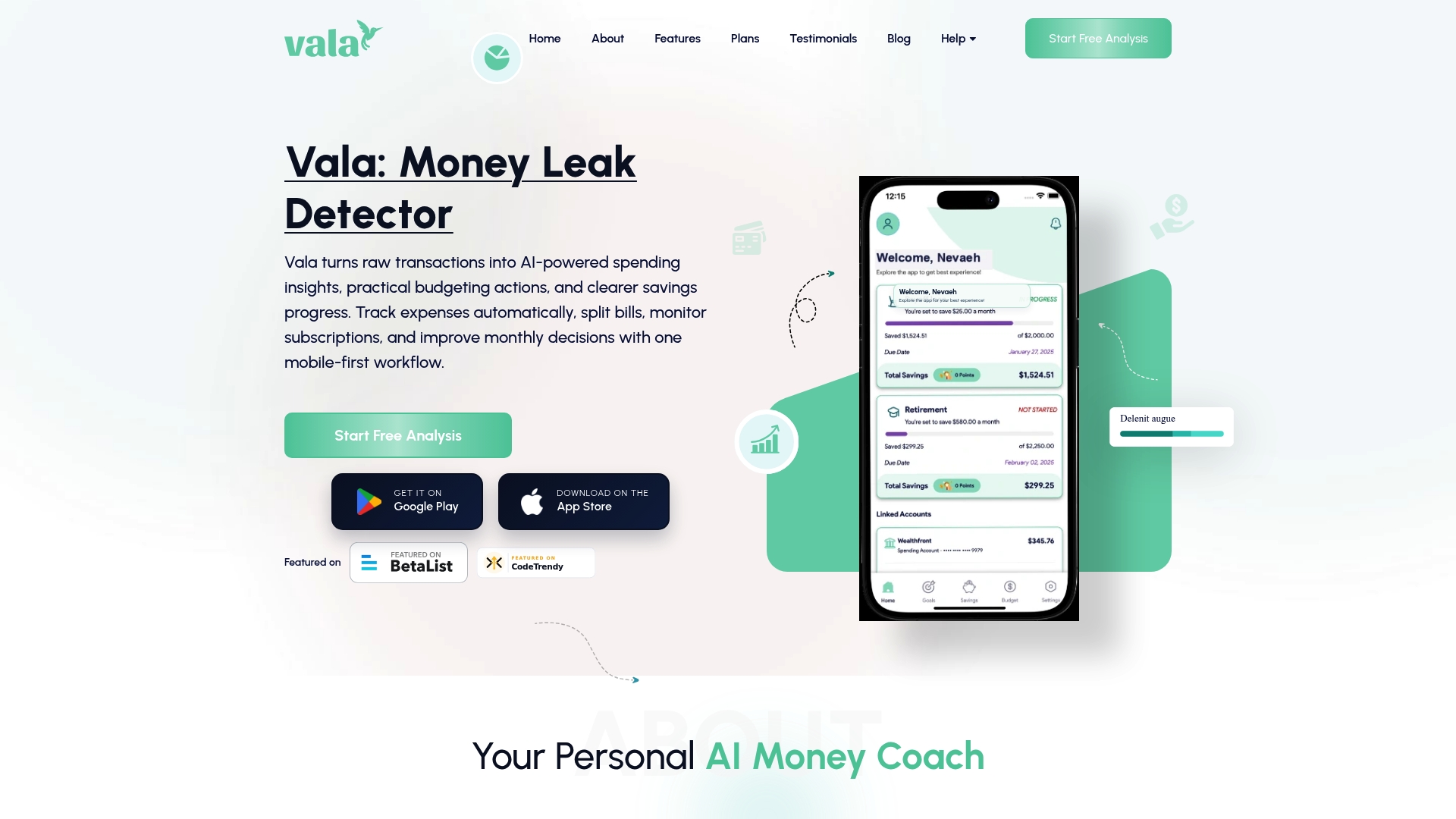
You get one clear view of your budget, your recurring charges, and your shared expenses if you split costs with a partner or roommates. Vala’s Money Leak Check service scans your connected accounts for recoverable charges at no published cost to start, and a paid plan unlocks deeper budgeting tools and AI-driven insights. If you split bills with a partner or a group, Vala’s shared expense and budgeting tools handle the math automatically instead of leaving you to sort it out over text.
Ready to see what your accounts are actually telling you? Start your Money Leak Check and get a clear read on your finances in minutes.
An Honest Read on Where Aggregation Is Headed
Most coverage of account aggregation treats it as a convenience feature, a nice-to-have dashboard. That undersells what’s actually happening. The shift from screen scraping to tokenized APIs isn’t cosmetic. It’s a fundamental change in who holds the keys to your financial data, and it’s happening faster than most consumers realize.
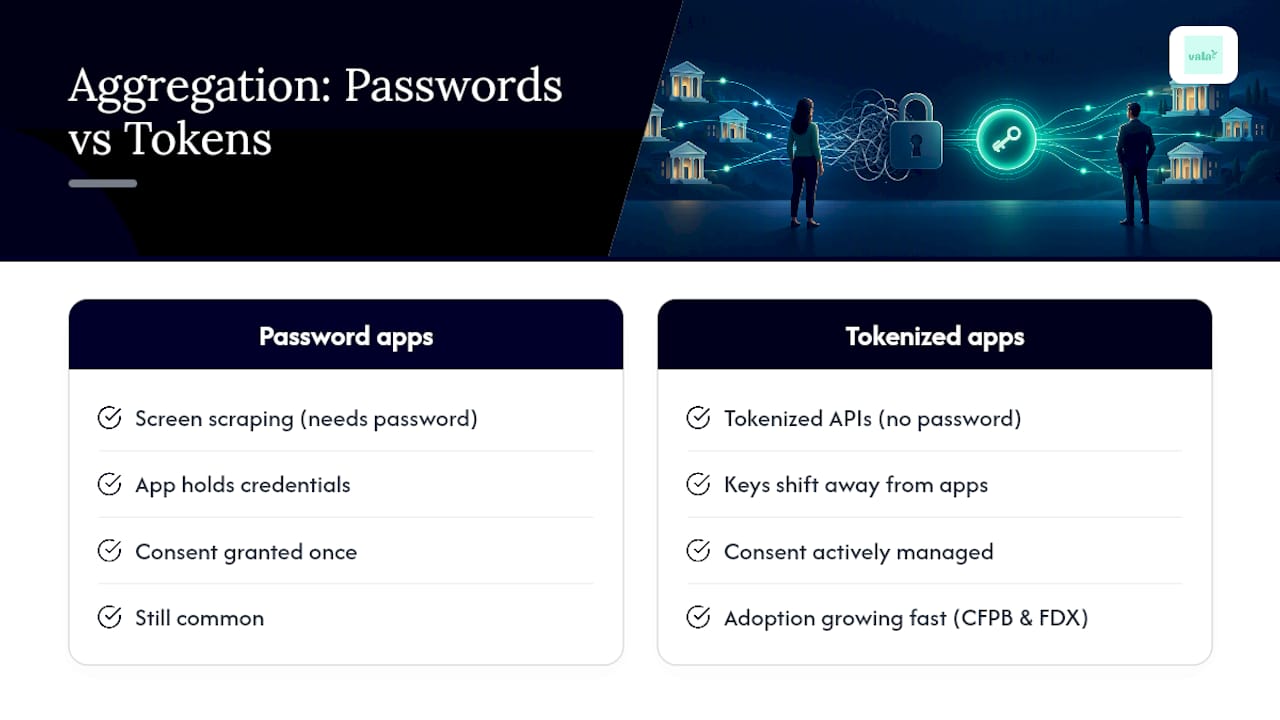
The gap that matters isn’t between aggregators and no aggregators. It’s between apps still asking for your bank password and apps that don’t need it at all. Anyone shopping for a budgeting tool in 2026 should treat that distinction as the first filter, not an afterthought buried in a privacy policy. The CFPB’s rulemaking and FDX’s API adoption numbers both point the same direction: consent is becoming something you actively manage, not something you grant once and forget.
Where the industry still falls short is transparency about data monetization. Standards bodies have nailed down the security architecture. They’ve been slower to force clear answers about whether your spending data gets used for anything beyond the features you signed up for. That’s the question worth asking before you connect a single account.
— SaverStride
Sources
For readers who want the primary documents behind this guide: FDX publishes its API release notes and consumer UX guidance directly, along with a broader white paper on standards and consumer control. The CFPB’s final rule on personal financial data rights is the fullest regulatory reference, and its stakeholder insights report explains the tradeoffs regulators are weighing.
For a security-minded view outside banking, IdealRemit’s international transfer security checklist covers similar principles around safe data handling in money movement.
FAQ
Should I Aggregate My Bank Accounts?
Yes, if you want a single, accurate view of your spending and net worth instead of checking multiple apps separately. It’s especially useful for couples managing shared expenses or anyone tracking subscriptions across several cards, though you should confirm the app uses tokenized API access rather than storing your bank password.
What Is the $3,000 Bank Rule?
This isn’t a standard banking or aggregation term, and definitions of it vary by context, so there’s no single authoritative rule that applies universally. If you’ve seen it referenced regarding a specific bank policy or transaction threshold, check directly with that institution rather than relying on a general definition.
Is It Safe to Link a Bank Account With an Account Aggregator?
It’s meaningfully safer when the aggregator uses tokenized API connections instead of screen scraping, since your actual password never leaves your bank’s system. Token-based methods now account for roughly two-thirds of user-permissioned data traffic in North America, and you can revoke access anytime through your bank’s connected-apps dashboard.
Which Bank Aggregator Is Best?
The right choice depends on whether you want basic budgeting, advisor-grade reporting, or shared-expense tools, but security architecture should be your first filter regardless. Some budgeting apps prioritize privacy-first bank integration with read-only, token-based connections, paired with AI-driven money leak detection that goes beyond a simple balance dashboard.
How Do I Revoke Access to an Aggregator App?
Most banks list every connected third-party app in a “Connected Apps” or data-sharing section of their online portal, where you can revoke access directly. Check both your bank’s dashboard and the aggregator app’s own settings to confirm the connection is fully cleared on both sides.